
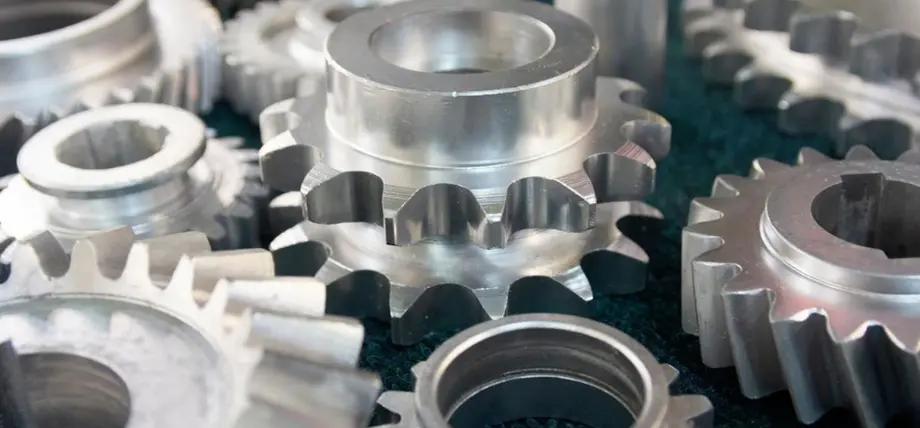
Aluminum gears are used in many different applications where weight reduction is a priority. They are lightweight, durable, and cost-effective. Aluminum gears are commonly used in the automotive, aerospace, and medical industries.
Benefits of Aluminum Gears
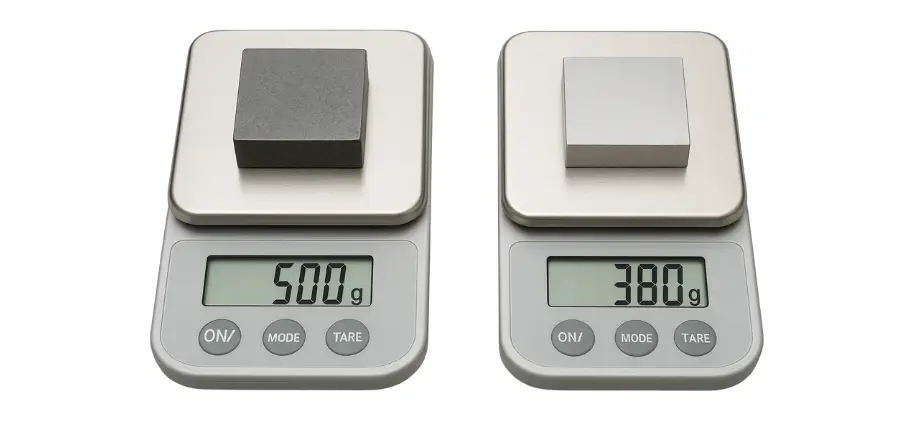
Material Density Comparison
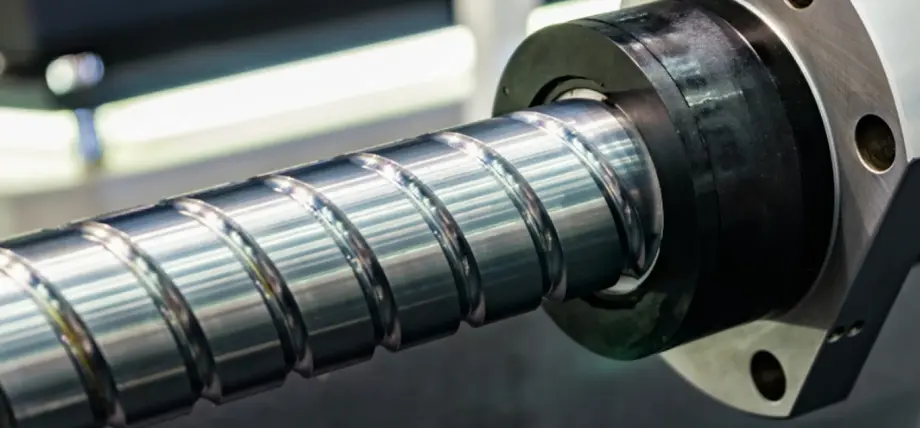
Precision Ground Component
Common Aluminum Gears
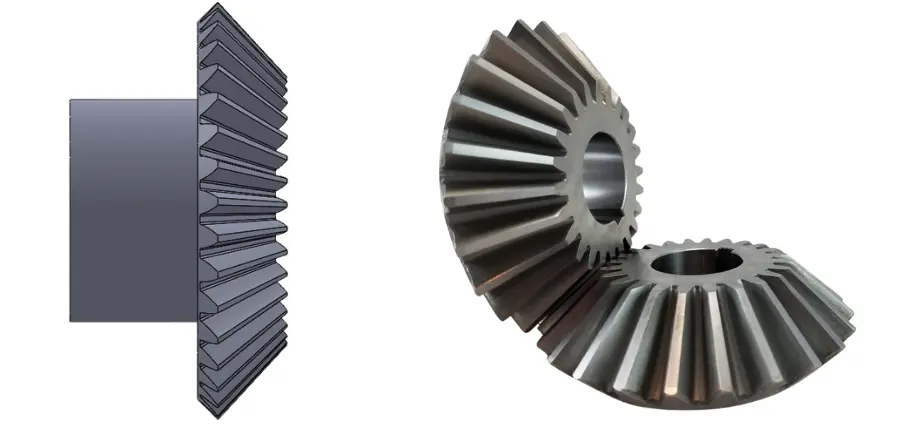
Aluminum gears come in various types, including spur gears, helical gears, bevel gears, and worm gears. Each type is designed for specific load and speed requirements.
Types of Aluminum Gears and Applications
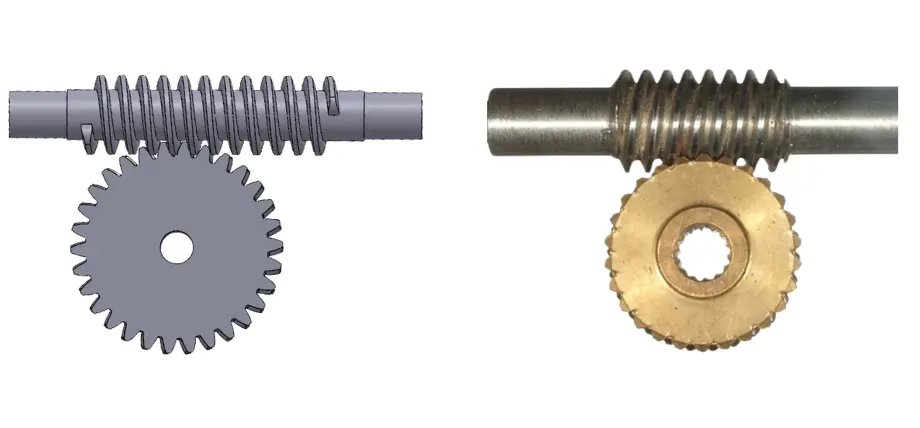
Worm Gear vs Spur Gear
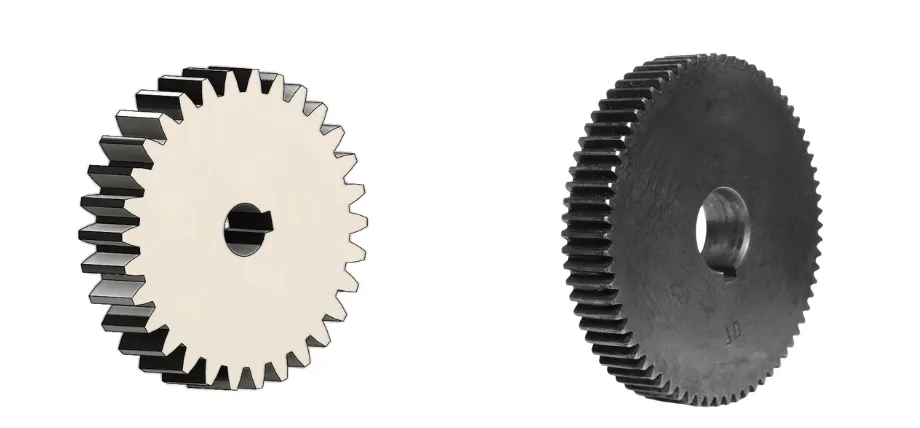
Aluminum Spur Gears
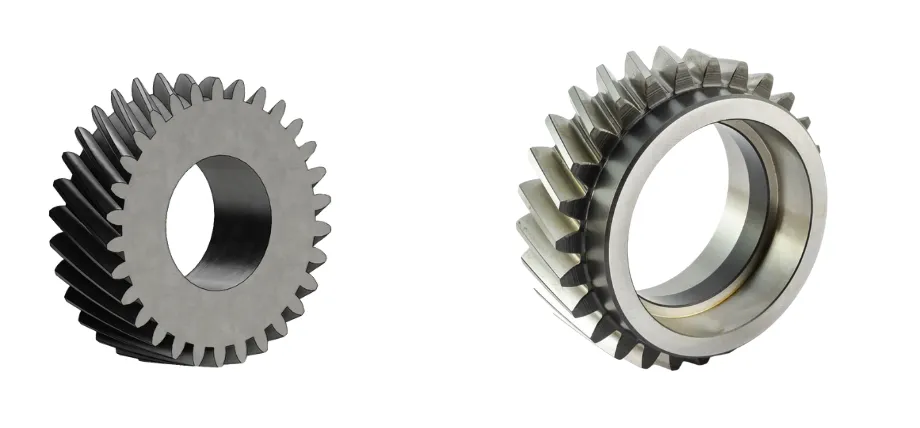
Helical Gears Comparison
Aluminum gears are versatile and can be used in various applications:
| Property | 6061-T6 | 7075-T6 |
|---|---|---|
| Ultimate Tensile Strength | 45,000 psi | 83,000 psi |
| Yield Strength | 40,000 psi | 73,000 psi |
| Density | 2.70 g/cm³ | 2.81 g/cm³ |
| Corrosion Resistance | Excellent | Fair |
Machining of Aluminum Gear Pieces
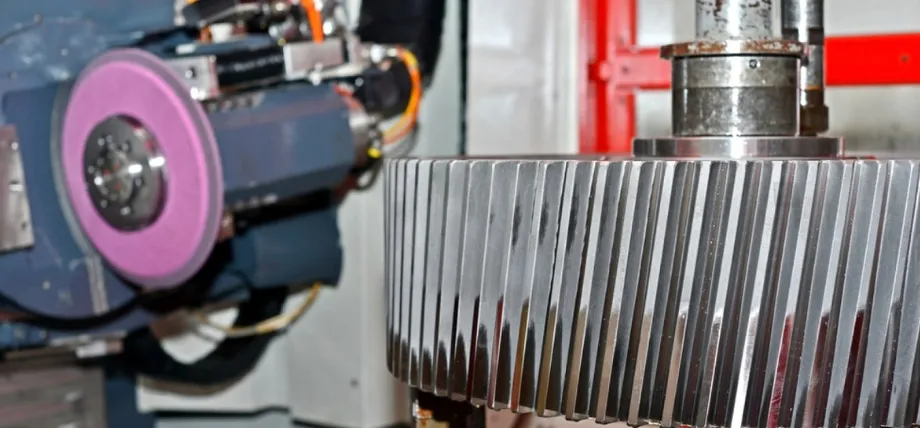
Custom Aluminum Gear Manufacturing Service
How Aluminum Gears are Made?
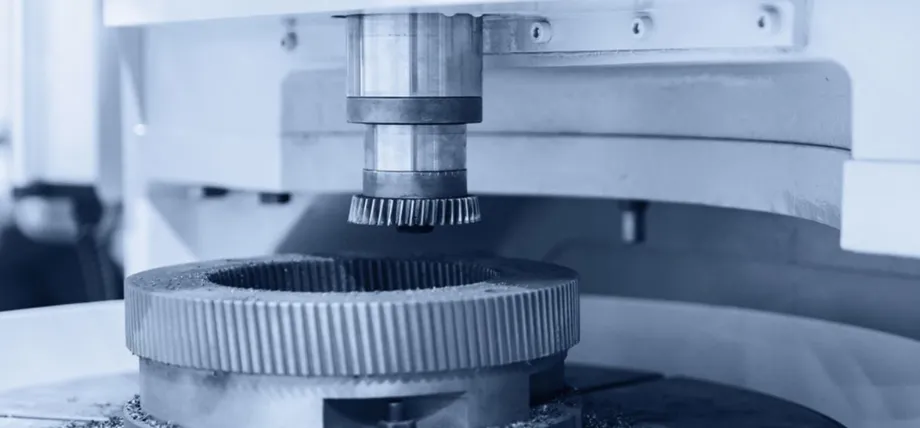
Aluminum gears are typically manufactured through CNC machining, die casting, or forging, depending on the volume and precision required.
CNC Machining Aluminum Gears
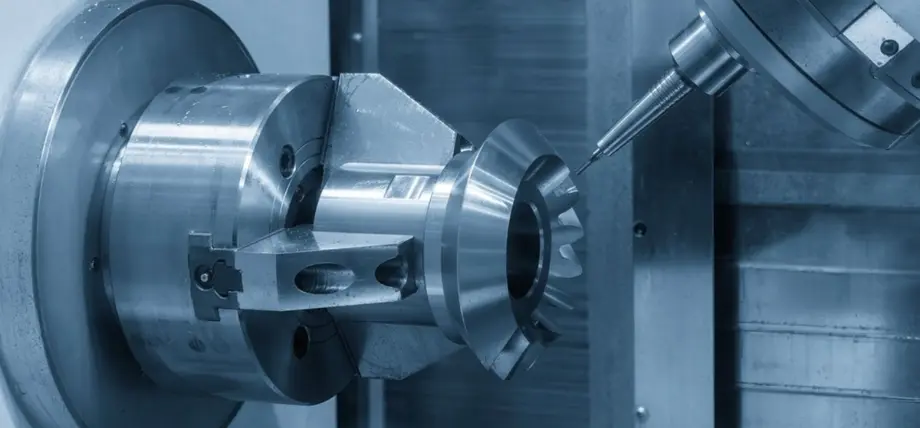
CNC machining is the preferred method for high-precision, low-to-medium volume production. It allows for high accuracy and the ability to create complex tooth profiles.
- Gear Hobbing: A process used to cut teeth into a gear blank using a specialized cutting tool called a hob.
- Gear Shaping: A process where a reciprocating cutting tool is used to shape the gear teeth.
- Gear Shaving: A finishing process used to improve the accuracy and surface finish of gear teeth.
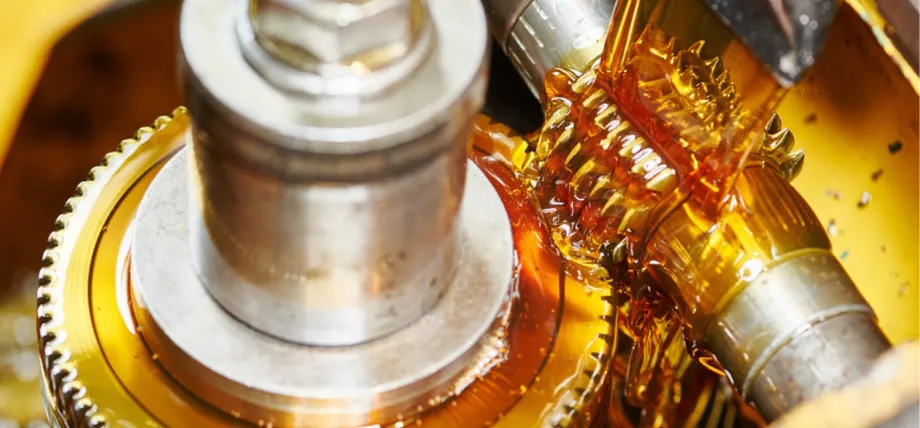
Die Casting Aluminum Gears
Die casting is used for high-volume production of gears with complex shapes. While it may not offer the same precision as CNC machining, it is highly cost-effective for large production runs.
Different Manufacturing Processes
In addition to CNC machining and die casting, other processes such as forging and powder metallurgy can also be used to manufacture aluminum gears.
Forging Aluminum Gears
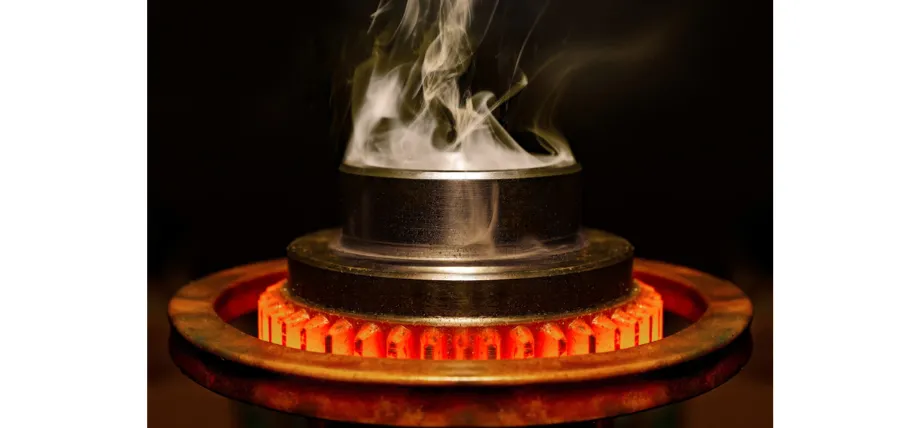
Forging involves shaping aluminum by applying high pressure to a solid block of aluminum. This process produces gears with excellent strength and durability, making them suitable for high-load applications.
- What is Forging?: A manufacturing process involving the shaping of metal using localized compressive forces.
- Why use Forging?: Forged gears have a refined grain structure, resulting in superior strength and fatigue resistance.
- How it works?: The metal is heated and then pressed or hammered into the desired shape using dies.
Forging vs. CNC Machining
Forging and CNC machining are two different processes used to manufacture aluminum gears. Forging produces gears with superior strength, while CNC machining offers higher precision.
The Coating of Aluminum Gears
Surface treatments and coatings can enhance the performance and durability of aluminum gears:
- Hard Anodizing: A process that creates a thick, hard oxide layer on the aluminum surface, improving wear resistance and corrosion resistance.
- Powder Coating: A dry finishing process where a protective layer of powder is applied to the gear surface and then cured under heat.
- Electroless Nickel Plating: A process that deposits a layer of nickel-phosphorus alloy on the aluminum surface, providing excellent corrosion and wear resistance.
- Hard Chrome Plating: A process that applies a layer of chromium to the gear surface, offering high hardness and low friction.
Last Thoughts and Your Solution
Aluminum gears are a versatile and efficient solution for many mechanical systems. Choosing the right alloy and manufacturing process is key to ensuring optimal performance.
Custom Aluminum Gear Manufacturing Service
At PremFixer, we specialize in the custom manufacturing of high-quality aluminum gears. Our state-of-the-art facility and experienced team allow us to produce precision gears that meet your exact specifications. Whether you need a prototype or a large production run, PremFixer offers expert manufacturing services for custom aluminum gears. We can help you design and manufacture gears that meet your exact specifications. Contact PremFixer today to discuss your project and get a quote.
Conclusion
In summary, aluminum gears provide a balance of performance, weight, and cost. With the right design and manufacturing partner, they can significantly enhance your mechanical systems. Aluminum gears offer a lightweight, corrosion-resistant, and cost-effective solution for many applications. Whether you need standard or custom gears, PremFixer is your trusted partner for high-quality aluminum gear manufacturing.