
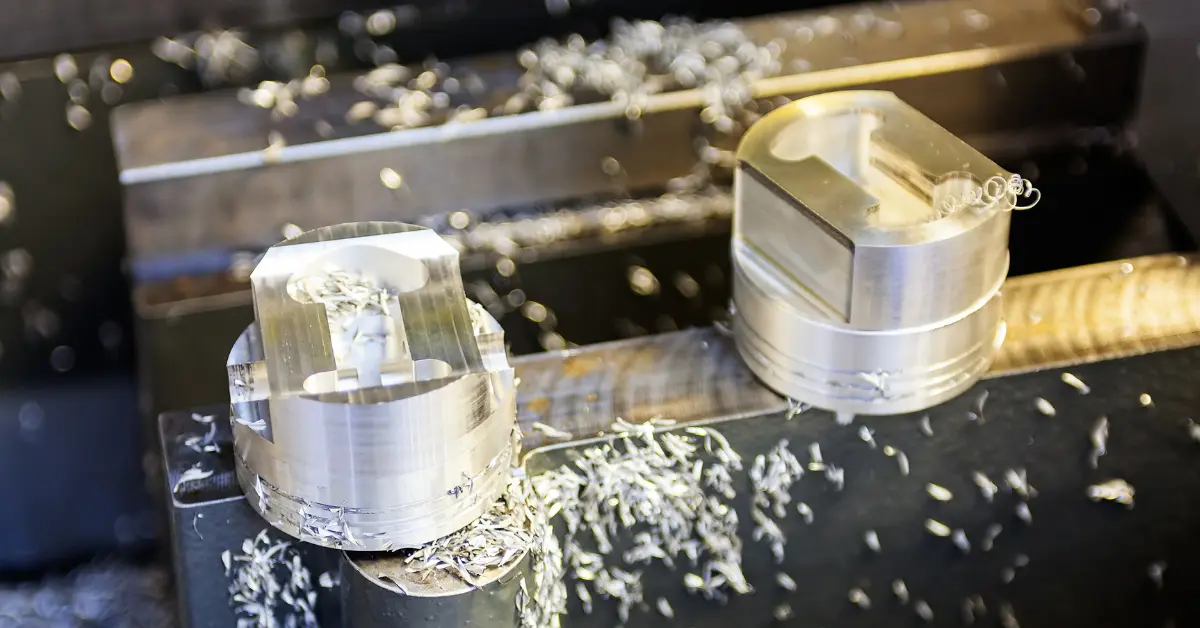
The use of aluminum manifolds in air compression systems brings improved performance through their lightweight structure and corrosion resistance, which reduces pressure loss and enables high flow rates. The main choices for these systems include aluminum piping modules for leak-free installation and dual-port manifolds for dependable branching and outlet manifolds for industrial setup customization. The system configurations deliver maximum airflow efficiency for compressors that operate at pressures up to 250 psi.
1. Why Choosing the Best Aluminum Alloy Matters
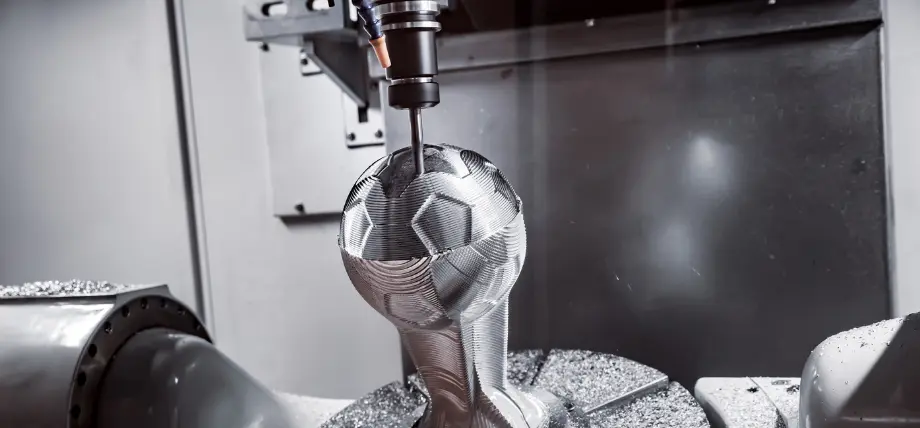
Choosing the right aluminum alloy for machining is not just a technical preference—it’s a critical business decision that impacts the quality, performance, and cost-effectiveness of your precision parts. Aluminum’s popularity in CNC machining stems from its incredible strength-to-weight ratio, natural corrosion resistance, and high thermal conductivity.
However, each alloy series (from 1xxx to 7xxx) offers unique mechanical properties. Selecting the wrong material can lead to poor surface finishes, excessive tool wear, or structural failure under stress. By choosing the best aluminum alloy, engineers can optimize cycle times, reduce waste, and ensure the longevity of components in aerospace, automotive, and industrial applications.
2. Factors Affecting Aluminum Alloy Machinability
Machinability is a complex metric that determines how easily a metal cab be cut while maintaining high precision. For aluminum alloys, several key factors come into play:
- Thermal Conductivity: Aluminum dissipates heat rapidly (approx. 200 W/m·K), which prevents localized overheating and extends tool life during high-speed CNC operations.
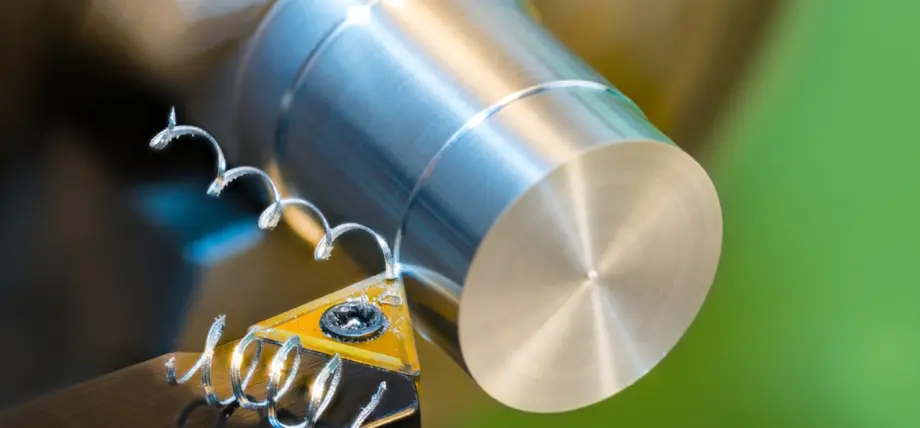
- Ductility vs. Hardness: Softer alloys like 1100 tend to be “gummy,” leading to long, stringy chips that can clog machinery. Harder, tempered alloys (like T6) produce cleaner, brittle chips that are easier to evacuate.
- Chemical Composition: The presence of alloying elements like silicon (improves flow) or copper (enhances strength) directly affects how the material reacts to cutting forces.
- Internal Stress: Residual stresses from extrusion or casting can cause parts to warp during machining if not properly stress-relieved.
3. Alloying Elements and Their Effects
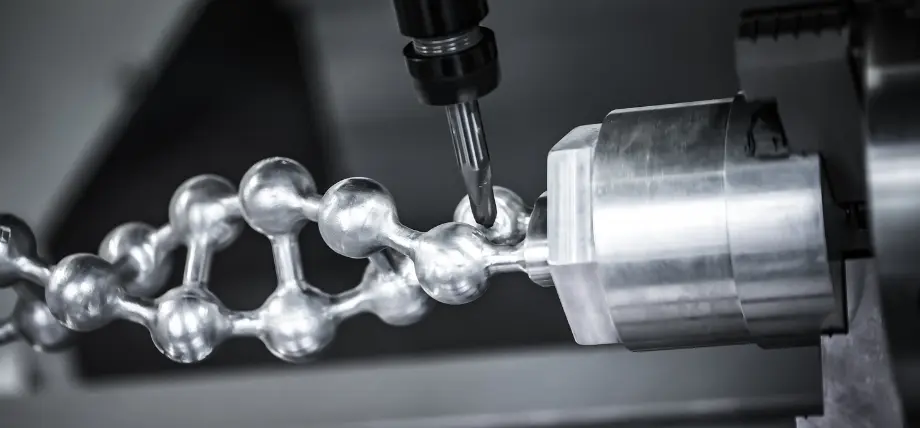
The machinability of aluminum is largely dictated by its alloying elements. Here’s how different additives change the material:
- Copper (Cu): Found in the 2xxx series, it significantly boosts strength and machinability but makes the alloy more susceptible to corrosion.
- Magnesium (Mg): Key to the 5xxx series, it enhances corrosion resistance and weldability, making it ideal for marine environments.
- Silicon (Si): Increases fluidity in molten aluminum (4xxx series), perfect for complex die-casting and welding wire.
- Zinc (Zn): The primary element in the 7xxx series, providing the highest tensile strength (up to 500+ MPa) for aerospace structures.
4. What Makes an Aluminum Alloy Good for Machining?
Not every metal is suitable for high-precision CNC work. Aluminum stands out as the “gold standard” for several reasons:
- Low Cutting Forces: Aluminum requires significantly less power to cut than steel or titanium, reducing machine wear and energy costs.
- Excellent Chip Formation: Most machining-grade alloys (like 6061) produce small, manageable chips that prevent tool entanglement.
- High Speed Compatibility: Aluminum can be machined at extremely high surface speeds (SFM), drastically reducing lead times for large production runs.
- Post-Processing Versatility: Machined aluminum parts are perfect candidates for anodizing, powder coating, or bead blasting for enhanced aesthetics and protection.
5. Comparing Machinability of Aluminum Alloys
To help you select the right grade, we’ve categorized the most common alloys by their machinability ratings:
| Alloy Grade | Machinability Rating | Best Use Case |
|---|---|---|
| 6061-T6 | Excellent (Baseline) | General purpose, brackets, structural parts. |
| 7075-T6 | Good (80%) | Aerospace, high-stress mechanical components. |
| 2024-T4 | Fair/Good (75%) | Aircraft fittings, fatigue-resistant structures. |
| 5052-H32 | Fair (60%) | Sheet metal, marine enclosures, fuel tanks. |
6. Machinability of Aluminum vs Other Metals
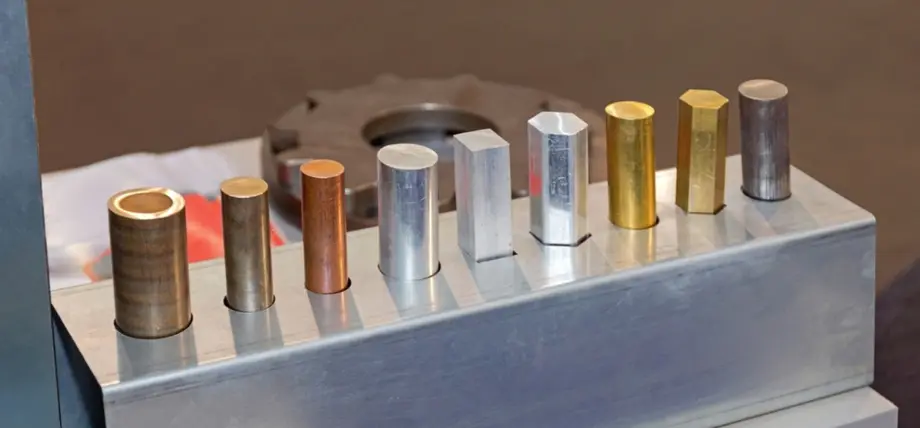
When comparing aluminum vs. steel or titanium, the differences are stark. Aluminum can typically be machined 3x to 10x faster than carbon steel. While stainless steel (like 304) is prone to work-hardening, aluminum remains stable throughout the process. Furthermore, unlike titanium—which is highly reactive at high temperatures—aluminum’s oxide layer provides a stable surface for consistent tool engagement.
7. Common Aluminum Alloys Used for Machining
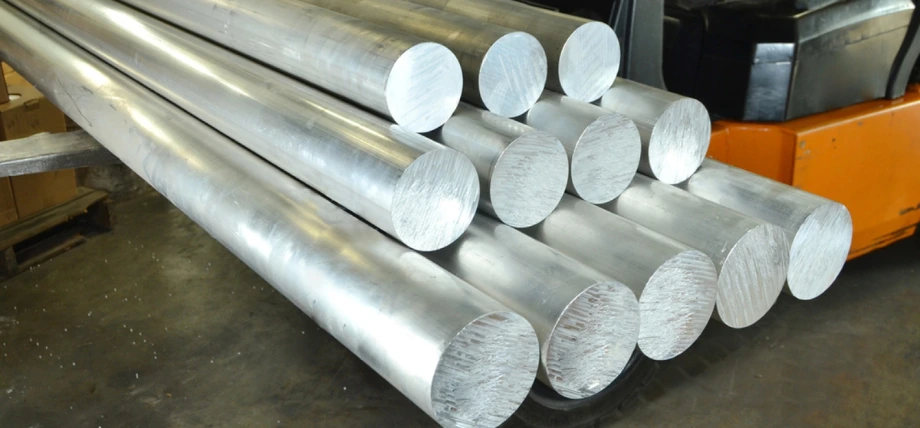
The industry relies on a few “star” alloys for the majority of CNC projects:
- 6061-T6 (The All-Rounder): Offering the best balance of machinability, weldability, and price. It’s the standard for almost any non-specialized part.
- 7075-T6 (The High-Strength Choice): Boasts strength comparable to many steels but at 1/3 the weight. Used extensively in aerospace and performance racing.
- 2024 (The Aerospace Veteran): Highly resistant to fatigue and crack propagation, though it requires specialized coatings for corrosion protection.
- 6063 (The Architectural Grade): Highly extrudable with an excellent surface finish, ideal for visual components and heat sinks.
8. CNC Machining Considerations for Aluminum Alloys
To achieve micron-level precision in aluminum, you must follow these industry best practices:
- High-Speed Spindles: Use spindles capable of 10,000+ RPM to take advantage of aluminum’s high cutting speed limits.
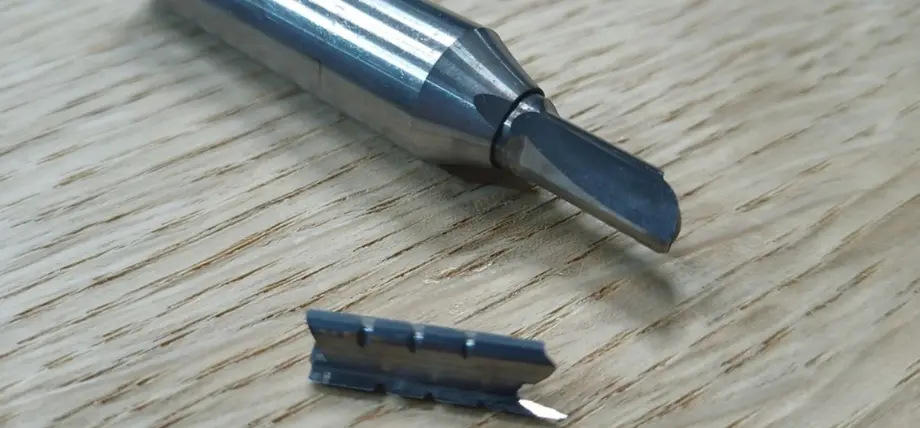
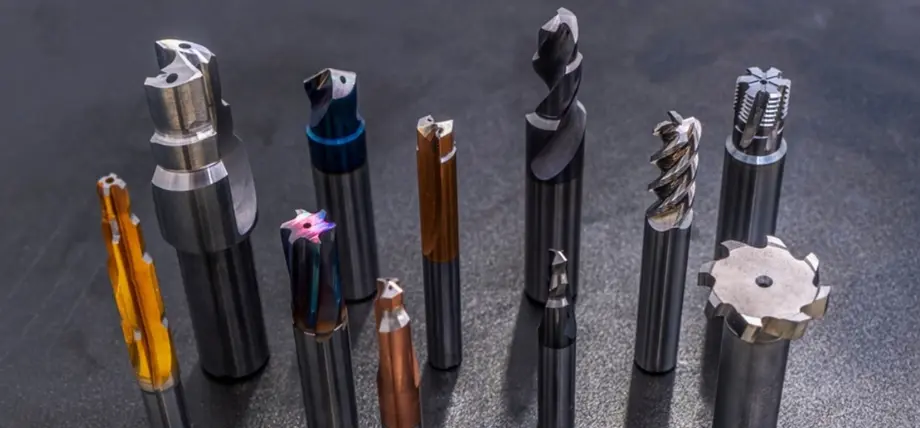
- Carbide Tooling: Polished carbide or DLC (Diamond-Like Carbon) coated tools prevent aluminum from “welding” to the cutting edge.
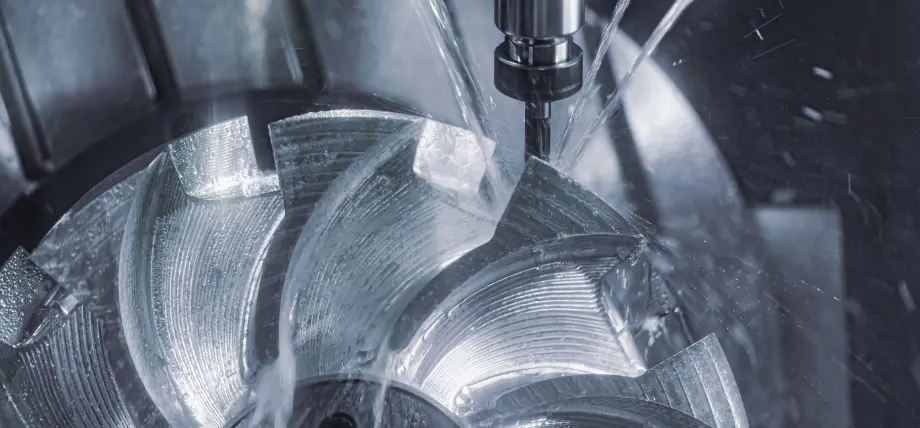
- Chip Evacuation: Use high-pressure coolant or air blasts to clear chips immediately, preventing “re-cutting” which ruins surface finishes.
- Climb Milling: Generally preferred over conventional milling to produce better finishes and reduce tool deflection.
9. Benefits of Using Aluminum Alloys
Why choose aluminum for your next project? The benefits are multifaceted:
- Weight Reduction: Ideal for portable electronics, drones, and fuel-efficient vehicles.
- Electrical Conductivity: Second only to copper, making it perfect for busbars and connectors.
- Recyclability: 100% recyclable with minimal loss of properties, supporting sustainable manufacturing.
10. Professional Aluminum Machining Services
Partnering with an expert CNC provider ensures you get the most out of these materials. At PremFixer, we specialize in high-tolerance aluminum machining, utilizing 5-axis technology to create complex geometries with unmatched surface quality. Our engineers assist in material selection to ensure your project meets its mechanical and budgetary goals.
11. Conclusion
Mastering the machining of aluminum alloys requires a deep understanding of material science and precision engineering. By selecting the right grade—whether it’s the versatile 6061 or the high-strength 7075—and applying optimized CNC strategies, you can achieve superior results. At PremFixer, we combine this expertise with state-of-the-art machinery to deliver the best value for your manufacturing needs.
12. FAQ
1. What is the most common aluminum alloy for machining?
6061-T6 is the most widely used due to its versatility and ease of machining.
2. Is 7075 aluminum harder to machine than 6061?
Yes, because of its higher strength and zinc content, it requires more robust tooling and slower speeds.
3. Can aluminum be machined without coolant?
While possible for small cuts, coolant is highly recommended for production to prevent chip welding and heat buildup.
4. How does anodizing affect machined parts?
Anodizing adds a protective oxide layer that improves corrosion resistance and allows for decorative coloring without altering the core dimensions significantly.
Social Share Section