
If you design or source for high-end bicycles, e-bikes, or motorcycles, you’ve likely encountered this costly paradox: you specify premium materials like Ti-6Al-4V titanium and 17-4PH stainless steel for critical fasteners. Individual parts pass salt spray tests with flying colors. Yet, within a year, field reports flood in detailing rust, seized threads, and catastrophic failures. As the engineering lead at PremFixer, I can tell you the culprit is almost never “bad material.” It’s a systemic failure to understand and design for galvanic corrosion.
A groundbreaking study in the International Journal of Offshore and Polar Engineering, using electrochemical testing and COMSOL simulation, validates what our team has preached for 20 years: you must engineer the entire fastening system, not just the individual parts.

The Data-Backed Truth About Multi-Material Corrosion
The study analyzed multi-material assemblies almost identical to the pivot bolts and folding hinges we use daily. The findings are a wake-up call for the entire two-wheeler industry.
1. Assembly Performance is Not Single-Part Performance
The researchers found a 1690x difference in corrosion depth between the best and worst coating combinations on the same base materials. Your fastener’s individual corrosion resistance is irrelevant if its coating is galvanically incompatible with its mating part.
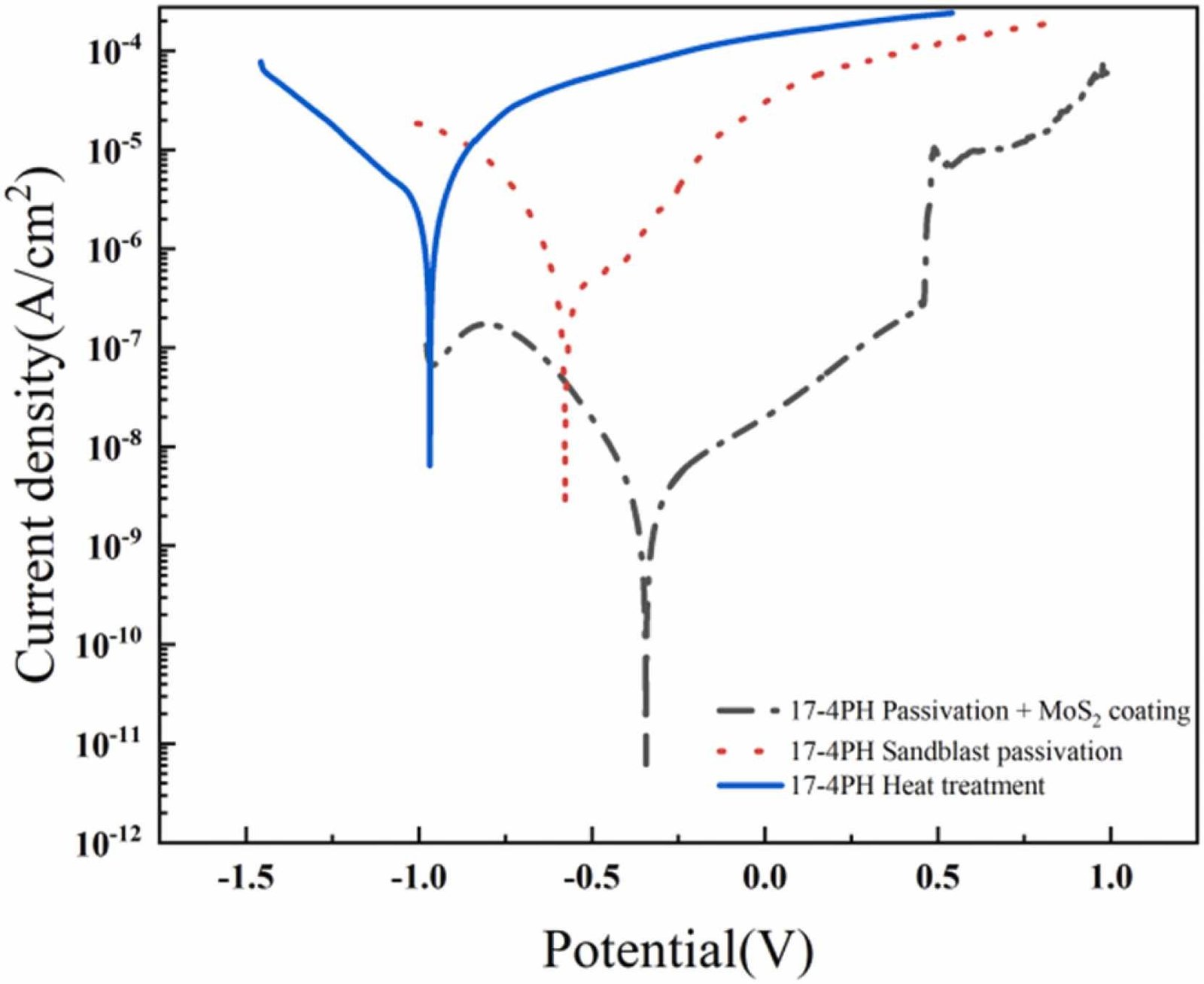
2. Potential Difference is the #1 Driver of Failure
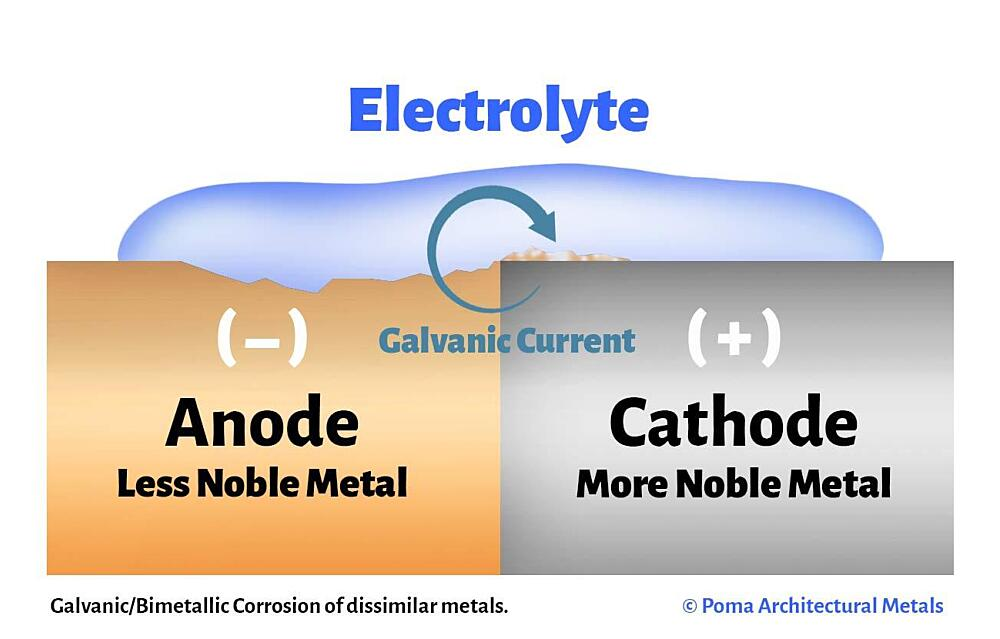
Galvanic corrosion is an electrochemical circuit. The larger the difference in corrosion potential between two dissimilar metals (like a titanium bolt and a stainless steel nut), the faster the less noble material (the anode) will corrode. This is why sourcing a high-strength fastener without considering its mating component is a critical design flaw.
3. Lab Tests on Parts Are Deceptive
The study confirmed that individual components show no corrosion when tested alone, but fail rapidly when assembled. Your quality control process is flawed if you are not testing the fully assembled joint under real-world conditions.
3 Fatal Industry Misconceptions We Must Overcome
This academic data, combined with our experience at PremFixer, points to three costly mistakes made by even the most reputable brands.
1. Ignoring System-Level Potential Matching
Your spec sheet for a custom CNC motorcycle part or a bicycle pivot bolt must define the required potential match between all components in the assembly, not just their individual material and plating.
2. Underestimating the “Small Anode, Large Cathode” Effect
This is the most dangerous pitfall. A small stainless steel screw (anode) holding a large titanium or carbon fiber frame component (cathode) will sacrifice itself at an alarming rate. This leads to sudden, catastrophic failure of the fastener.
3. Treating Thread Crevices as an Afterthought
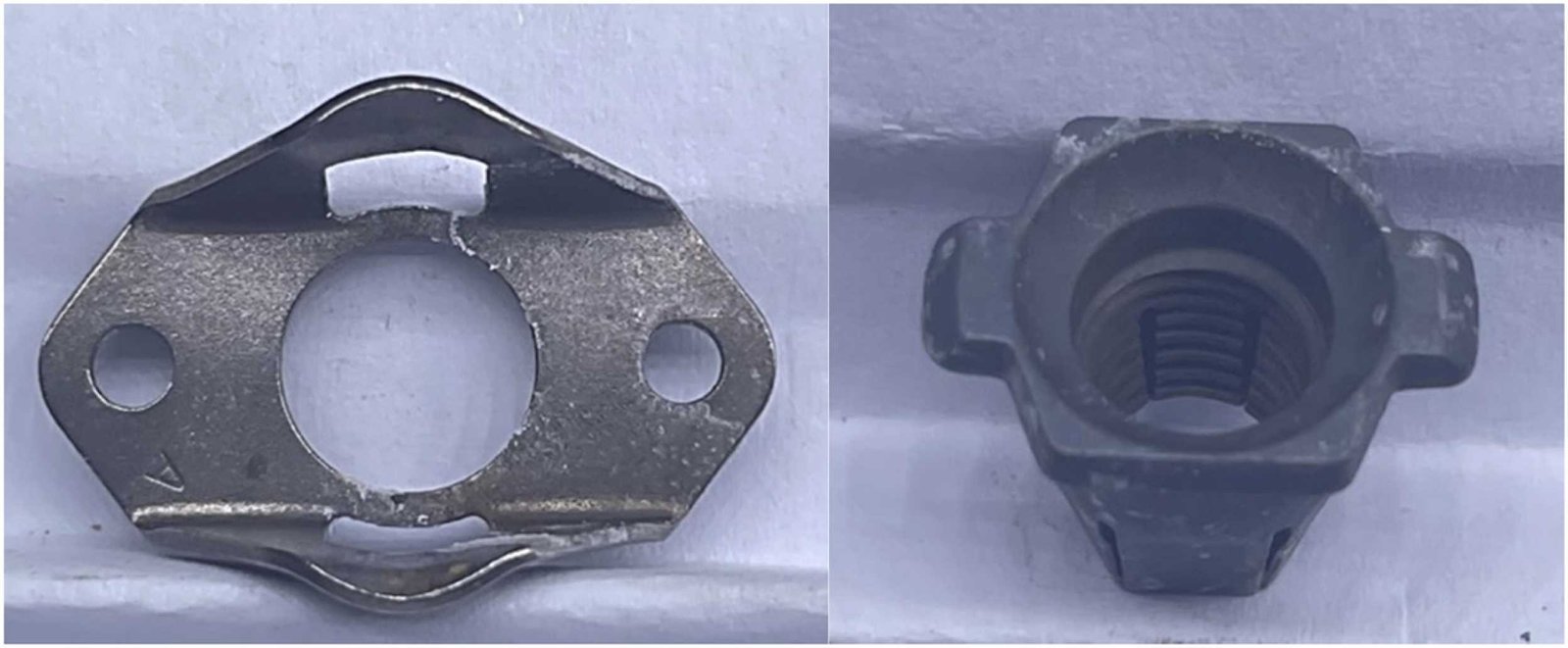
The trapped, low-oxygen environment inside a thread engagement zone is a breeding ground for crevice corrosion. A bolt head can look pristine while the threads inside are corroding away, leading to preload loss and failure.
Actionable Engineering & Procurement Guidelines
Here is how you translate this science into a reliable product strategy, a process we have perfected at PremFixer.
For Design & R&D Engineers:
- Prioritize Coating Potential Matching: Your goal is to create a galvanically neutral pair. For example, pairing a Ti-6Al-4V bolt (anodized + MoS₂) with a 17-4PH nut (passivated + MoS₂) creates a near-zero potential difference.
- Design Out “Small Anode” Risks: If you must use a less noble fastener, ensure its surface area is large, or use a coating system that reverses the galvanic circuit to protect the critical fastener.
- Simulate Before You Fabricate: We use COMSOL Multiphysics to simulate the long-term corrosion performance of our proposed material/coating systems, de-risking the design before a single piece of metal is cut.
- Test the Full Assembly: Mandate that all corrosion testing (salt spray, cyclic, etc.) is performed on the fully assembled joint.
For Procurement & Supply Chain Managers:
- Specify the System, Not the Part: Your purchase order should define the full fastening system, including the validated material and coating combinations for all mating parts.
- Choose a Partner with System Engineering Capability: Your supplier must be able to prove their capability in electrochemical testing, simulation, and system-level optimization. A simple plating shop cannot solve a complex engineering problem.
Our Real-World Result: 92% Reduction in Warranty Claims
A premium European folding bike brand faced a crisis with their titanium/stainless steel hinge system failing in coastal markets. By applying this system-level approach, the PremFixer team redesigned the coating system to minimize galvanic potential. The result? A 92% drop in corrosion-related warranty claims and a tripling of the product’s service life.
Final Thoughts: From Commodity to Critical System
In the high-end two-wheeler market, fasteners are not a commodity. They are a critical safety system. Preventing premature failure requires a partner who understands that corrosion is a system engineering problem. If you are tired of chasing coating quality and want to solve the root cause of your fastener failures, my team at PremFixer is ready to help you build safer, more reliable products.