PremFixerFasteners
  • PRODUCTS

    Product Paths

    • Custom Fasteners
    • Precision Turned Components
    • Custom Shafts, Axles & Pins
    • Catalog Hardware
    • Engineering Library
    • Custom Drawing RFQ

    By Application

    • Suspension & Pivot Hardware
    • Disc Brake & Folding
    • Frame Inserts & Routing
    • Screws & Bolts
    • Nuts & Locking
    • Axles & Pivots
    • Bearings
    • Fasteners & Hardware

    Material & Process

    • Stainless Steel
    • Bicycle Fastener Materials
    • Alloy Steel
    • Aluminum
    • Bearing Steel
    • Plastic / Nylon
    • Cold Forging
    • CNC Machining
    • Surface Treatment

    Technical Series

    • PS-B Disc Brake
    • PS-D Pivot Hardware
    • PS-E Weld Nuts
    • PS-K Hangers
    • PS-L Cable Stops
    • PS-R Motor Mounts
    • ALL All Series
    View All Products → Send Drawing for RFQ →
  • SOLUTIONS

    By Bike Type

    • Industries Overview
    • Motorcycle & Powersports
    • MTB Hardtail
    • MTB Full-Suspension
    • Folding Bike

    By Technology

    • Aluminum Frame
    • Anti-Loose Technology
    • Lightweight Technology
    View All Solutions →
  • MANUFACTURING
    • CNC Turning Review
    • Equipment
    • Process
    • Capacity
    • Rapid Prototyping
    • Surface Treatment
  • RESOURCES

    Tech Support

    • Selection Guide
    • Torque Reference
    • Installation Guide
    • Pivot Bolt White Paper
    • FAQ
    • Blog →

    Blog

    • Choosing Fastener Materials
    • Understanding Coatings
    • Carbon Fiber Fastener Guide
    • Titanium vs Steel Bolts
    View Tech Support → View All Posts →
  • CASE STUDIES
  • ABOUT
    • Company
    • Advantages
    • Factory
    • Team
    • ISO Certification
    • Trade Shows
  • CONTACT
Get Quote
Home/Manufacturing/CNC Turning

Manufacturing Route Review

CNC Turning for Custom OEM Components

Review geometry, material, quantity and inspection together before choosing the manufacturing route for your part.
Send a Drawing for ReviewExisting Equipment Overview
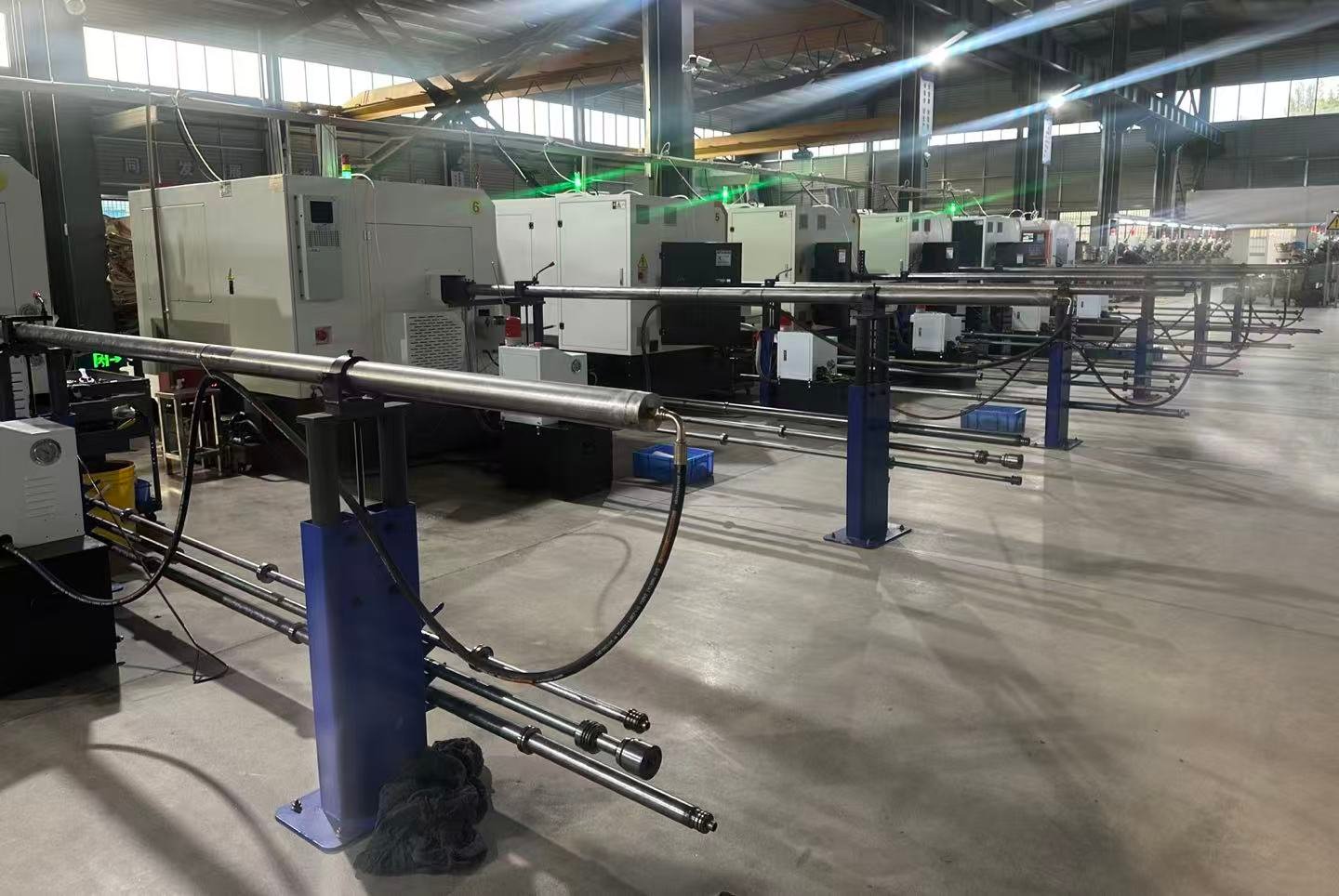
Existing PremFixer CNC lathe production-line photograph
Existing PremFixer factory photograph. Equipment configuration and project working range are confirmed separately.

CNC turning is a manufacturing-review route, not a substitute for the component specification. The drawing must communicate the shape, material, feature relationships and acceptance conditions needed by your assembly.

The existing manufacturing and equipment resources remain the reference for the site's confirmed capability information. This page does not introduce a second, unverified list of machine counts, size limits, tolerances or throughput figures.

Connect the Process to the Part

Choose the component family for geometry examples, then review the process inputs that are specific to your drawing.

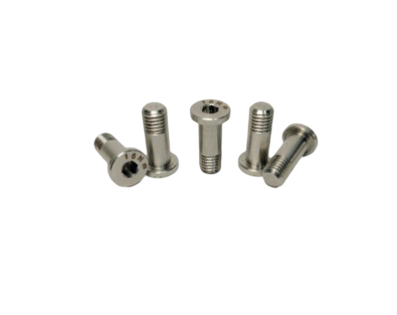
PS-D01 Countersunk Linkage Pivot Bolt, existing geometry reference

Custom Fasteners

Head forms, shoulders, threads and matching connection requirements.

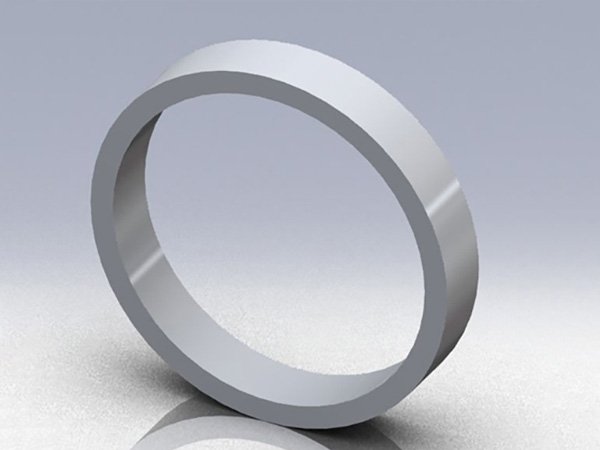
PS-H03 Spacer Washer, existing geometry reference

Precision Turned Components

Sleeves, bushings, spacers and drawing-defined turned forms.

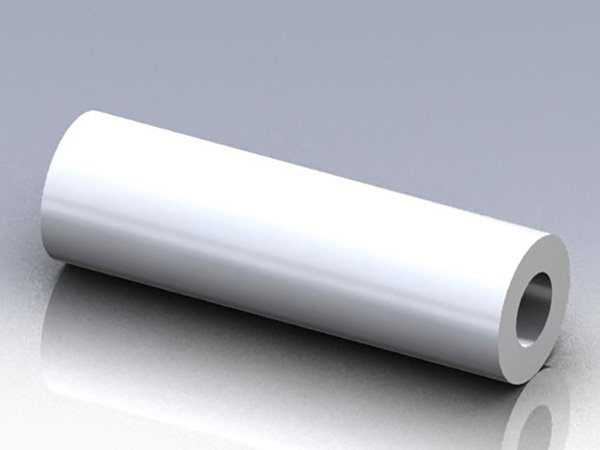
PS-P01 Pivot Shaft, existing geometry reference

Custom Shafts, Axles & Pins

Working interfaces, shoulders, bores and threaded shaft features.

Turning Features and Secondary Requirements

The combination of features, not one isolated surface, determines what must be reviewed.

Start with the complete geometry

Outside diameters, faces, axial bores, shoulders, grooves and threads describe typical turning-related questions. Their dimensions, material condition and datum relationships must be stated on the drawing.

Flats, cross-holes, slots and other non-rotational details add access and setup questions. They do not establish a self-owned mill-turn, Swiss-type, live-tooling or sub-spindle route. Any such configuration requires separate confirmation.

Geometry and Access

Provide the full part model and dimensional drawing. Include internal features, tool access constraints and critical feature relationships.

Material and Quantity

State the grade and condition, sample demand and batch quantity. These affect the review but do not create a universal MOQ or lead time.

Secondary Operations

Highlight milled features, treatment and finishing needs. The quotation identifies the confirmed operations and their responsibility.

Finished Inspection

Specify acceptance dimensions, surface state and required reports. Clarify which requirements apply after treatment or assembly.

Existing Factory and Process Context

Use the established site assets without treating a photograph as proof of every machine configuration.
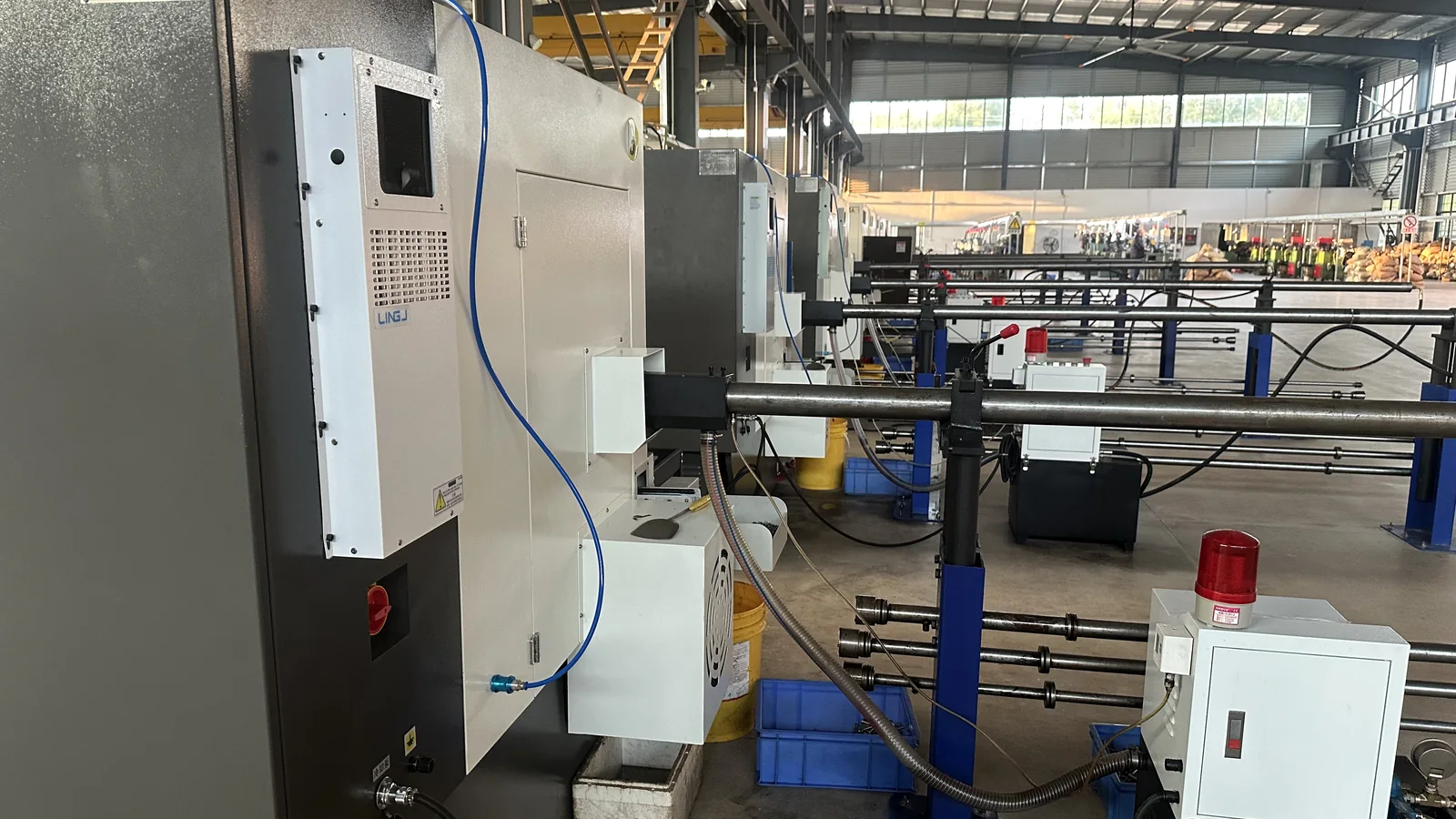
Existing PremFixer CNC lathe production line
Existing CNC production-line photograph from the factory asset library.
Existing PremFixer fastener CNC lathe cell
Existing CNC lathe-cell photograph. No additional axis or machine specification is inferred.
Original Equipment and Facility InformationOriginal Manufacturing Process Resource

In-House Work and Qualified Partner Processes

The quotation should make the included route and responsibility clear.

Confirmed in-house capabilities include cold heading, CNC machining, thread rolling and tool/die manufacturing. Their use is selected for the specific geometry and order, not promised as one identical route for every part.

Testing, heat treatment and finishing can be arranged through qualified partners within the accepted scope. Describe the required operation and acceptance conditions in the inquiry so the quotation can state what is included. No unconfirmed inspection machine, material certificate or process guarantee is added here.

Drawing Review and Order Control

Keep the accepted route connected to the part revision and inspection requirements.

Define the Part

Identify the drawing revision, individual part references, quantity and mating interfaces. A sample can help explain missing geometry, but it does not replace agreed production requirements.

Confirm the Route

Review the complete geometry, material, finish and inspection needs together. The quotation identifies the accepted manufacturing scope and any confirmed partner operations.

Agree the Acceptance

Confirm sample requirements, critical dimensions, required reports and packing instructions before production approval. Avoid relying on a general catalog image as the acceptance standard.

Control Repeat Orders

Use the agreed part number, revision and specification for later orders. State any engineering changes so a previous quotation is not treated as approval of a changed drawing.

Prepare a Turning Inquiry

A 3D model explains geometry. The approved drawing defines the requirements needed for acceptance.

Send both the 2D drawing and 3D model when available. Include dimensions, tolerances, material, finish and acceptance requirements that the model does not fully specify. Identify sample and batch needs separately, together with any required reports.
Drawing or reference
2D drawing, available 3D model, sample reference or BOM with individual revisions.
Material and finish
Required grade, condition, treatment and acceptance state after finishing.
Quantity and timing
Sample need, batch quantity and requested schedule, separated where useful.
Critical requirements
Mating interfaces, datums, inspection documents, labeling and packing instructions.
Start Your Drawing-Led RFQ
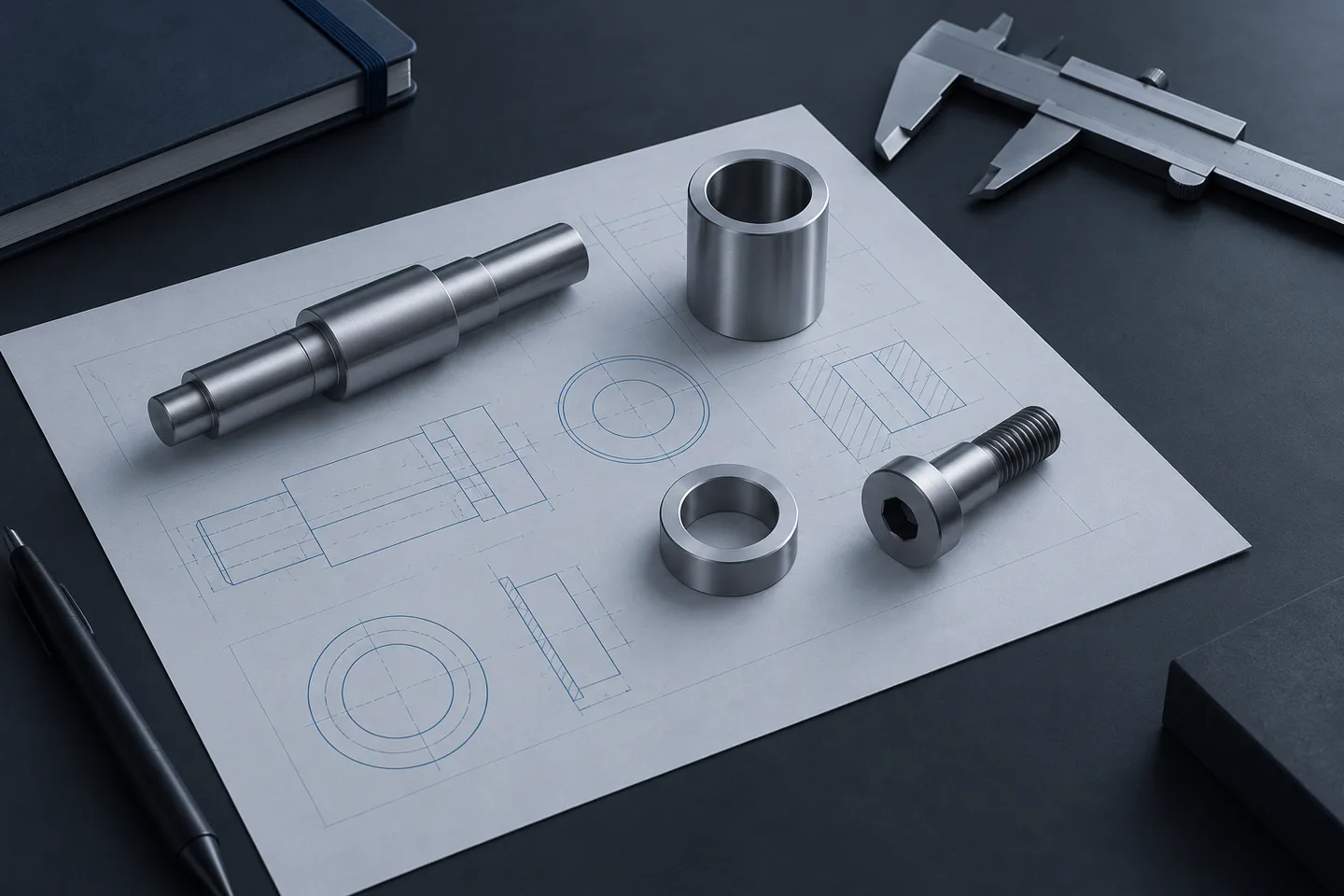
Conceptual illustration of drawing-led component review
AI-generated concept illustration of an engineering review. Not a factory, equipment, product or inspection evidence photograph.

CNC Turning Questions

Process information for an engineering-led sourcing conversation.

What is reviewed before selecting the turning route?

Geometry, material, quantity, tolerance, thread details, secondary features and inspection requirements are reviewed together. The resulting route is confirmed in the quotation or agreed project scope.

Should I send a 3D model or a 2D drawing?

Send both when available. The model describes geometry, while the approved drawing identifies dimensions, tolerances, material, finish and acceptance conditions that are not fully defined by a model.

Can finishing be included in the quotation?

State the required finish and acceptance conditions. The quotation should identify the included operations and any confirmed partner processes rather than assuming every treatment is performed in-house.

Does a part with flats or holes require mill-turn machining?

Not necessarily. These features describe the required geometry. The confirmed route may involve separate operations, and the process arrangement must be assessed rather than inferred from the completed part.

Continue With the Original Manufacturing Resources

Existing equipment, process and quality references retain their original URLs.

Manufacturing OverviewSurface-Treatment ResourceQuality ControlOriginal Component Library
PremFixerFasteners

PremFixer Fasteners manufactures made-to-print fasteners and CNC components for OEM projects. In-house cold heading, CNC machining, thread rolling and tooling are coordinated with qualified partner testing, heat treatment and finishing.

Products

  • Frame Connection Bolts
  • Suspension Pivot Systems
  • Drivetrain Fasteners
  • Folding Bike Hinges
  • Brake System Fasteners
  • Custom Non-Standard

Quick Links

  • Solutions
  • Manufacturing
  • Quality Control
  • Blog & News
  • Pivot Bolt White Paper
  • FAQ
  • About Us

Contact

  • Inquiry Form
  • Sample Request

Email: info@premfixercnc.com

Location: Shaoguan, Guangdong, China

Get Industry Insights
Read Industry Insights

© 2026 PremFixer Fasteners — Guangdong Pinshang Hardware Products Co., Ltd. All rights reserved. | Privacy Policy | ISO 9001:2015 Certificate