
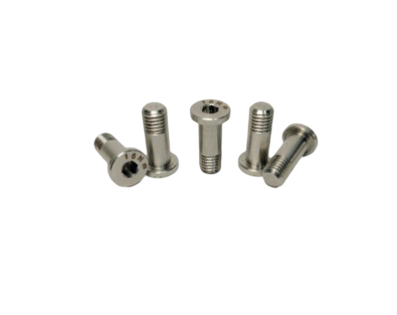
PS-D01 / Existing bicycle reference
Countersunk Linkage Pivot Bolt
Existing manufacturing example from the bicycle hardware library. Your approved drawing defines the required connection and supply scope.
View the Original Part RecordMade-to-Print OEM Components
Define the connection, head, shoulder and thread for your assembly. We review the complete drawing before quotation.
PremFixer Fasteners manufactures drawing-defined fasteners for OEM projects. A product family helps you find a relevant connection form; it does not specify an interchangeable catalog part. The agreed drawing, quantity and quotation define the components supplied.
The existing bicycle library remains available with its original part references and technical documents. Use those records to communicate a geometry or assembly question, then identify the requirements that are different in your own project.
Compare existing head, shoulder and locking configurations. Original part records and reference identifiers remain unchanged.
Existing manufacturing example from the bicycle hardware library. Your approved drawing defines the required connection and supply scope.
View the Original Part Record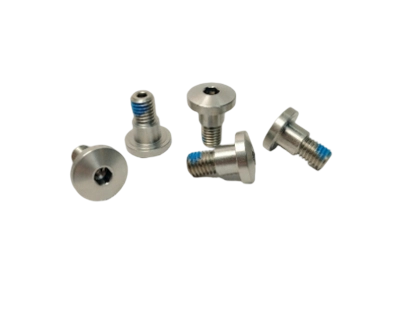
Existing manufacturing example from the bicycle hardware library. Your approved drawing defines the required connection and supply scope.
View the Original Part Record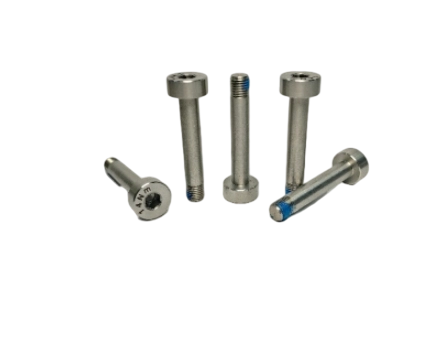
Existing manufacturing example from the bicycle hardware library. Your approved drawing defines the required connection and supply scope.
View the Original Part Record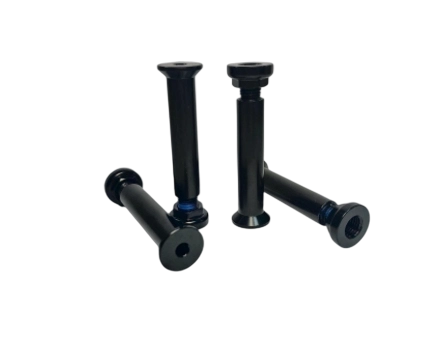
Existing manufacturing example from the bicycle hardware library. Your approved drawing defines the required connection and supply scope.
View the Original Part Record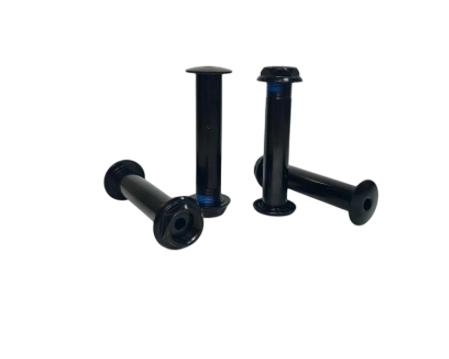
Existing manufacturing example from the bicycle hardware library. Your approved drawing defines the required connection and supply scope.
View the Original Part RecordFasteners are reviewed as part of the mating assembly. These inputs help distinguish a relevant reference from a production-ready specification.
Head profile, drive geometry, shoulder length, thread position, bore and matching components affect both the assembly and the manufacturing route. Include their relationships rather than describing each feature independently.
A familiar external shape does not establish clamping behavior, installation torque or strength. Those requirements must come from your assembly specification and agreed acceptance plan.
State the required seating surface, drive form and available installation space. Identify any interference with surrounding parts.
Mark the working diameter, shoulder length, mating bore and required relationship between the shoulder and thread.
Specify thread form, pitch, engagement, direction and any customer-defined locking treatment. Identify paired parts separately.
State which dimensions and surfaces are accepted after treatment. Include inspection documents and appearance requirements where relevant.
The project specification controls the route. No universal material, coating or tolerance is assigned to every fastener.
Confirmed in-house capabilities include cold heading, CNC machining, thread rolling and tool/die manufacturing. The appropriate combination is reviewed against the part geometry, material and quantity, rather than selected from a product name alone.
Testing, heat treatment and finishing may use qualified partners within the agreed scope. The quotation should distinguish included operations and their responsibility. It should not describe every operation as in-house or assume that a reference image proves a particular process.
Keep geometry, revision, manufacturing scope and acceptance requirements connected through the order.
Identify the drawing revision, individual part references, quantity and mating interfaces. A sample can help explain missing geometry, but it does not replace agreed production requirements.
Review the complete geometry, material, finish and inspection needs together. The quotation identifies the accepted manufacturing scope and any confirmed partner operations.
Confirm sample requirements, critical dimensions, required reports and packing instructions before production approval. Avoid relying on a general catalog image as the acceptance standard.
Use the agreed part number, revision and specification for later orders. State any engineering changes so a previous quotation is not treated as approval of a changed drawing.
A drawing, sample or BOM can start the review. There is no online retail checkout or implied stock availability.
For several fasteners in one assembly, list each part number, revision and quantity separately. State common requirements once, then identify item-specific materials, finishes, inspection and packing needs.
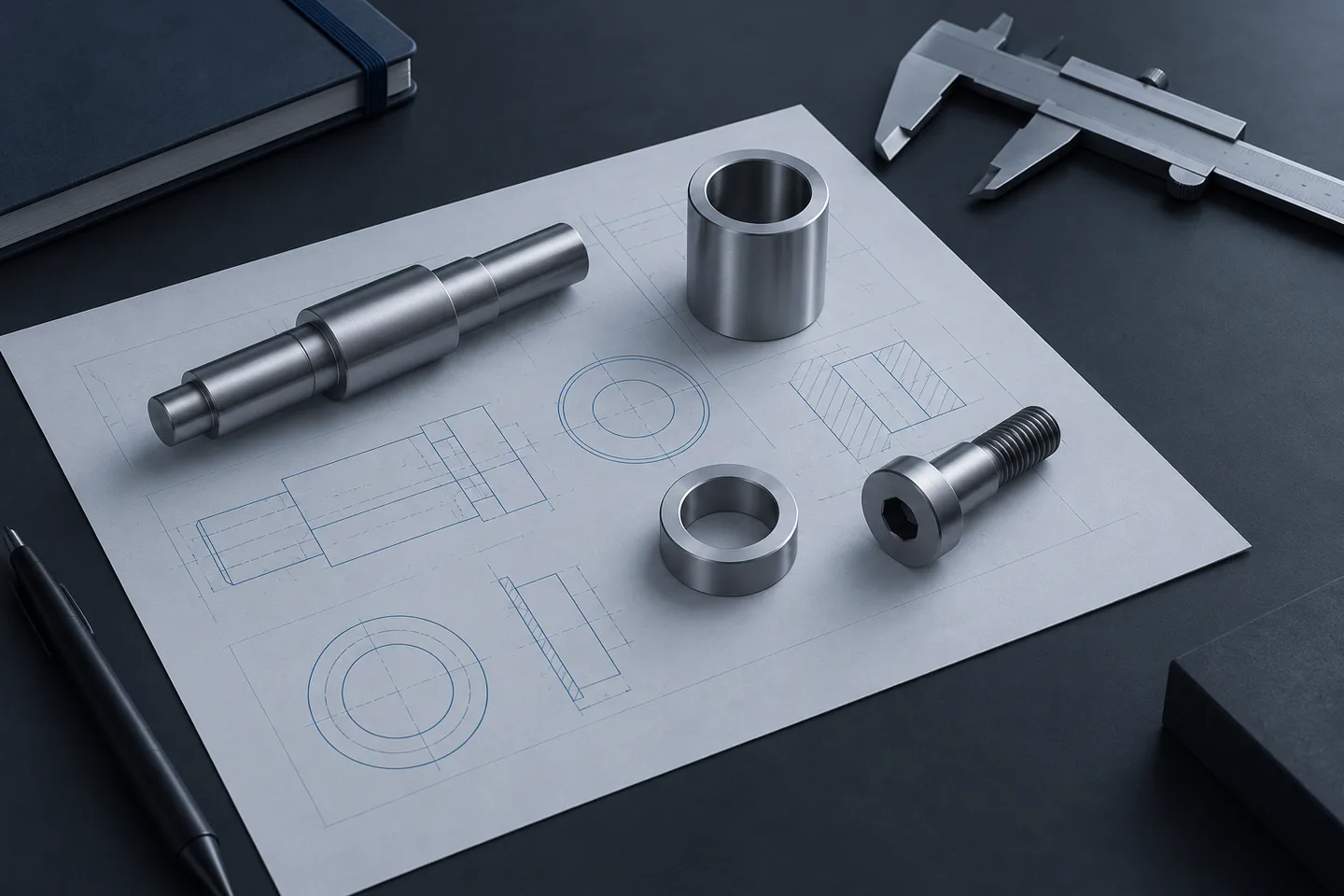
Answers to common OEM sourcing questions.
Include the required geometry, thread specification and mating-part information in your drawing. Feasibility and the manufacturing route are reviewed before quotation. A similar reference does not guarantee every proposed feature is supported.
A BOM can identify each part number, revision and quantity. State material, finish, inspection and packing requirements for each item so the quotation can define the accepted scope without assuming all items share one specification.
No. These examples explain manufactured part forms and preserve existing bicycle references. The approved drawing and quotation define the parts and quantities supplied for your project.
Quantity and timing are evaluated for the particular drawing, material and manufacturing route. Include sample demand and production quantity in the inquiry instead of relying on a general catalog figure.
Follow the part family or process that answers your next question.