MATERIALS FOR MADE-TO-PRINT COMPONENTS

Engineering Materials for Custom Fasteners & CNC Parts

Stainless steel, aluminum and titanium for your bolts, pivot hardware, shafts, sleeves and spacers. Start with the part.

Two flanged pivot axles with a short mating fastener
PremFixer pivot axles and a mating fastener. Shoulder length, contact faces and thread engagement belong in the same material review.

Compare the material.
Keep the joint in view.

Start with weight, exposure and the part's function. Then compare the specified stock condition, machined geometry and finished interfaces.

Qualitative selection guide for drawing review. On a small screen, scroll the table sideways to see all six fields.

Material candidates for custom fasteners and turned components
Grade & conditionWeight considerationsEnvironment & corrosionPart roles to evaluateMachining & finishingKey design checks
304Stainless steel
Specify stock condition
Higher mass than aluminum or titanium at equal volume.Candidate for general exposure; check chlorides, trapped moisture and cleaning agents.Custom bolts, shafts, sleeves and spacers.CNC turning; agree deburring, passivation or polishing where required.Thread pairing, galling control, preload and actual strength requirements.
316Stainless steel
Specify stock condition
No meaningful weight-saving route versus 304.Molybdenum improves resistance to localized corrosion in many chloride environments; exposure still matters.Exposed fasteners, retaining parts, shafts and spacers.Specify surface condition and cleaning; review machining and passivation.Crevices, drainage and mating materials; corrosion resistance is not a strength class.
316LLow-carbon stainless
Separate grade specification
Similar weight considerations to 316.Low carbon is relevant to intergranular corrosion after welding.Turned parts where the drawing or joined fabrication calls for 316L.Retain the L designation and specified condition in purchasing records.Whether welding is involved; mechanical requirements and accepted standard.
6061Aluminum alloy
Temper and form to be agreed
Low mass; section size may be governed by stiffness.Review wet contact with steel, titanium or carbon composite and the protective finish.Spacers, sleeves and machined components where loads permit.Machinability and anodizing are useful selection factors; supply reviewed per project.Thread engagement, bearing pressure, deflection and finished dimensions.
7075Aluminum alloy
T6 by specification; T651 is distinct
Low mass; higher strength than 6061 in comparable T6 conditions does not mean proportional stiffness.Check corrosion protection and temper against exposure and sustained loading.Pivot axles, shoulder parts and spacers after design review.CNC turning and specified anodizing; account for coating growth and masking.Shoulder transitions, thread roots, fit after finishing and validation requirements.
TC4 / Grade 5Ti-6Al-4V alloy family
Confirm governing standard
Lower mass than steel at equal volume; greater than aluminum.Corrosion resistance can be useful; review galvanic contact and the service environment.Custom bolts, pivot axles, shafts and mating hardware.Tooling and cycle cost matter; define thread finish, lubrication and surface requirements.Cross-standard acceptance, galling, contact wear, preload and geometry.

Raw-material properties do not establish finished-bolt performance. Changing a material requires a joint review covering loads, geometry, preload, engagement, contact pairs and validation.

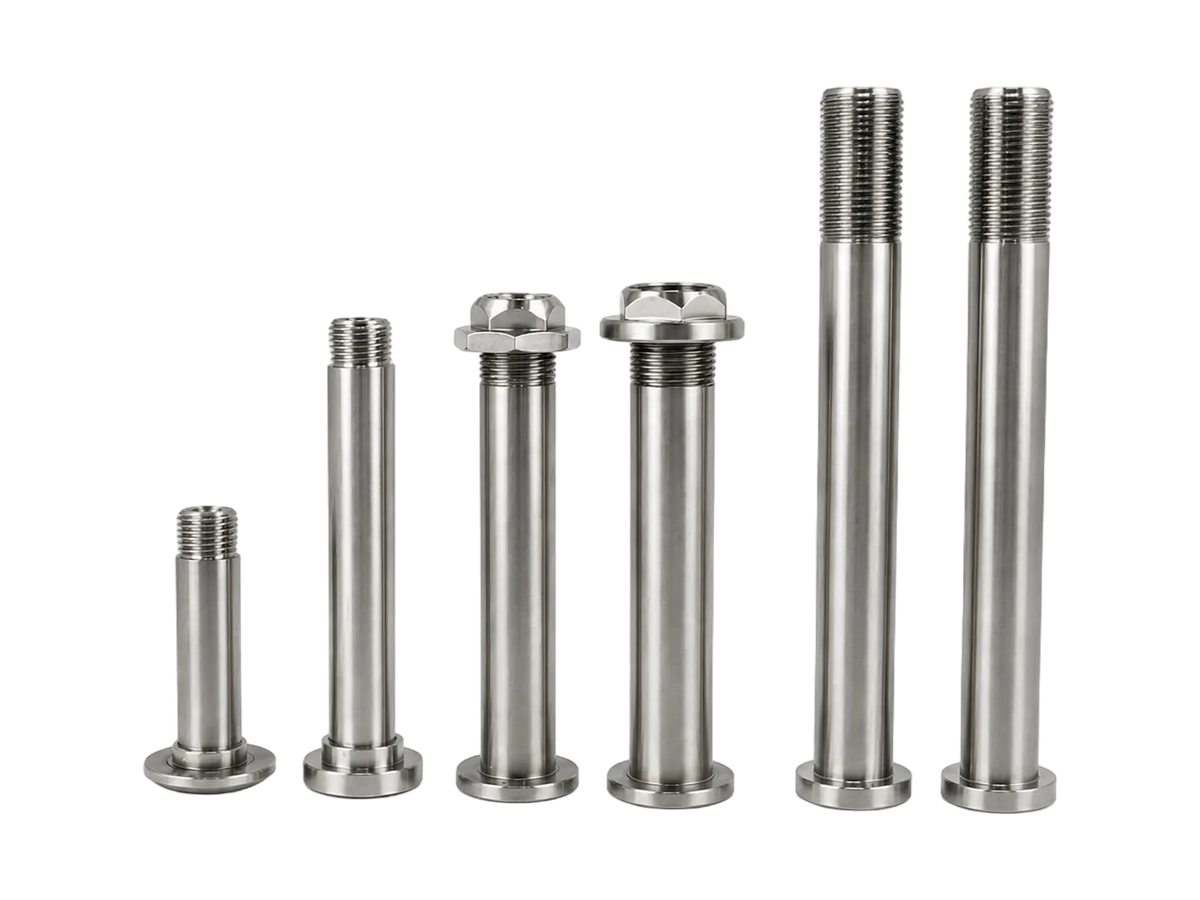
Stepped shoulder parts with external threaded sections
Stepped shoulder and threaded geometry from the PremFixer product library. The drawing and material record establish the grade.

304 / 316 / 316L

Stainless steel

Consider stainless steel when corrosion exposure, service access and durable contact surfaces are central to the part. PremFixer reviews 304, 316 and 316L for custom bolts, shafts, sleeves and spacers, with the grade and stock condition kept on the drawing and order.

304 is a starting point for general environments. The molybdenum in 316 can improve resistance to localized corrosion in chloride exposure, but trapped moisture and crevices still need attention. 316L is the low-carbon variant, particularly relevant where welding affects corrosion behavior. These distinctions do not establish a finished fastener's strength.

Manufacturing
CNC turning of shoulders, bores and threaded features; deburring and project-specific passivation or polishing through the agreed process route.
Assembly checks
Specify thread class, mating material, surface condition and lubrication. Repeated assembly of stainless contact pairs can require particular attention to galling.

A2 / A4 are stainless material groups. A2-70 / A4-80 include finished-fastener property classes; 304 / 316 alone do not prove those classes.

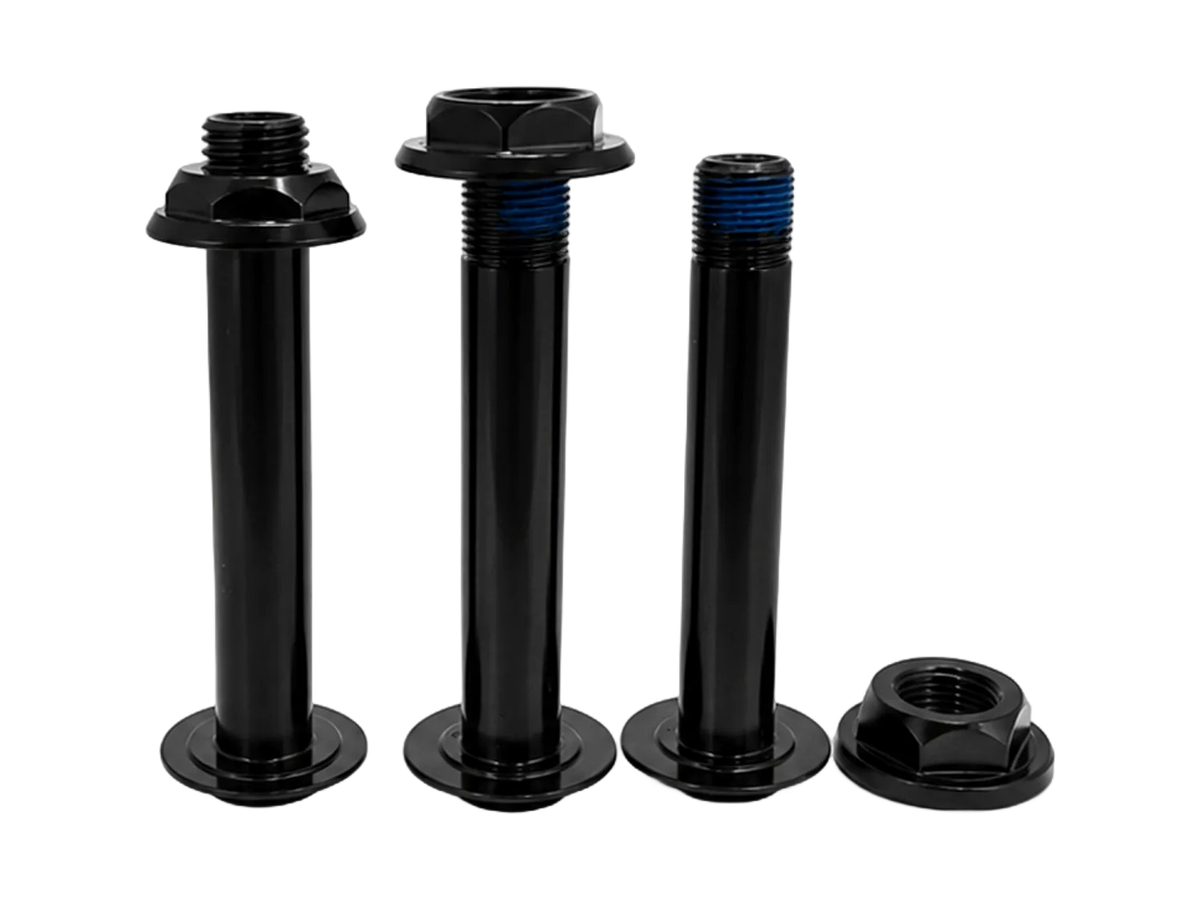
Black pivot axle set with a mating flanged locking part
Pivot axles and a mating locking part. Black appearance alone establishes neither alloy nor hard-anodizing specification.

7075 / 6061

Aluminum alloys

Consider aluminum for a part that needs lower mass and can be designed around its thread engagement, contact pressure and stiffness. PremFixer's existing material scope includes 7075-T6; 6061 provides a useful comparison for sleeves, spacers and other turned components. Confirm 6061 stock form, temper and project availability during quotation.

For comparable T6 stock, 7075 offers higher strength than 6061, while their elastic stiffness is much closer. A higher-strength alloy therefore does not remove a deflection problem. Shoulder sections, transitions, bearing seats and engaged threads must work together.

Manufacturing
CNC turning and machining of functional features, followed by specified anodizing when required. Define masking, coating thickness and the dimensions to inspect after finishing.
Assembly checks
Review coating growth on bores and threads, contact with other metals or carbon composite, and wear at bearing interfaces.

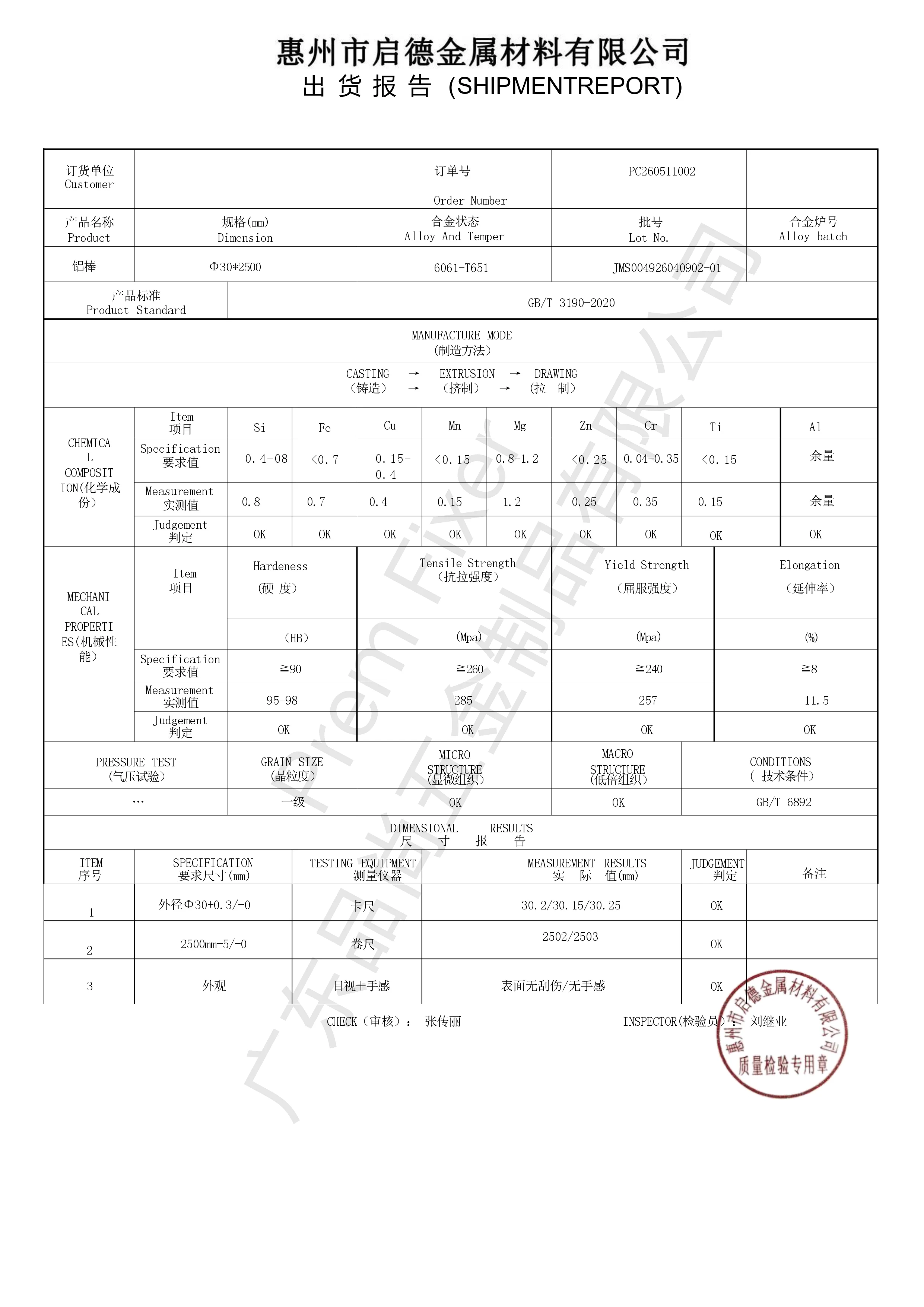
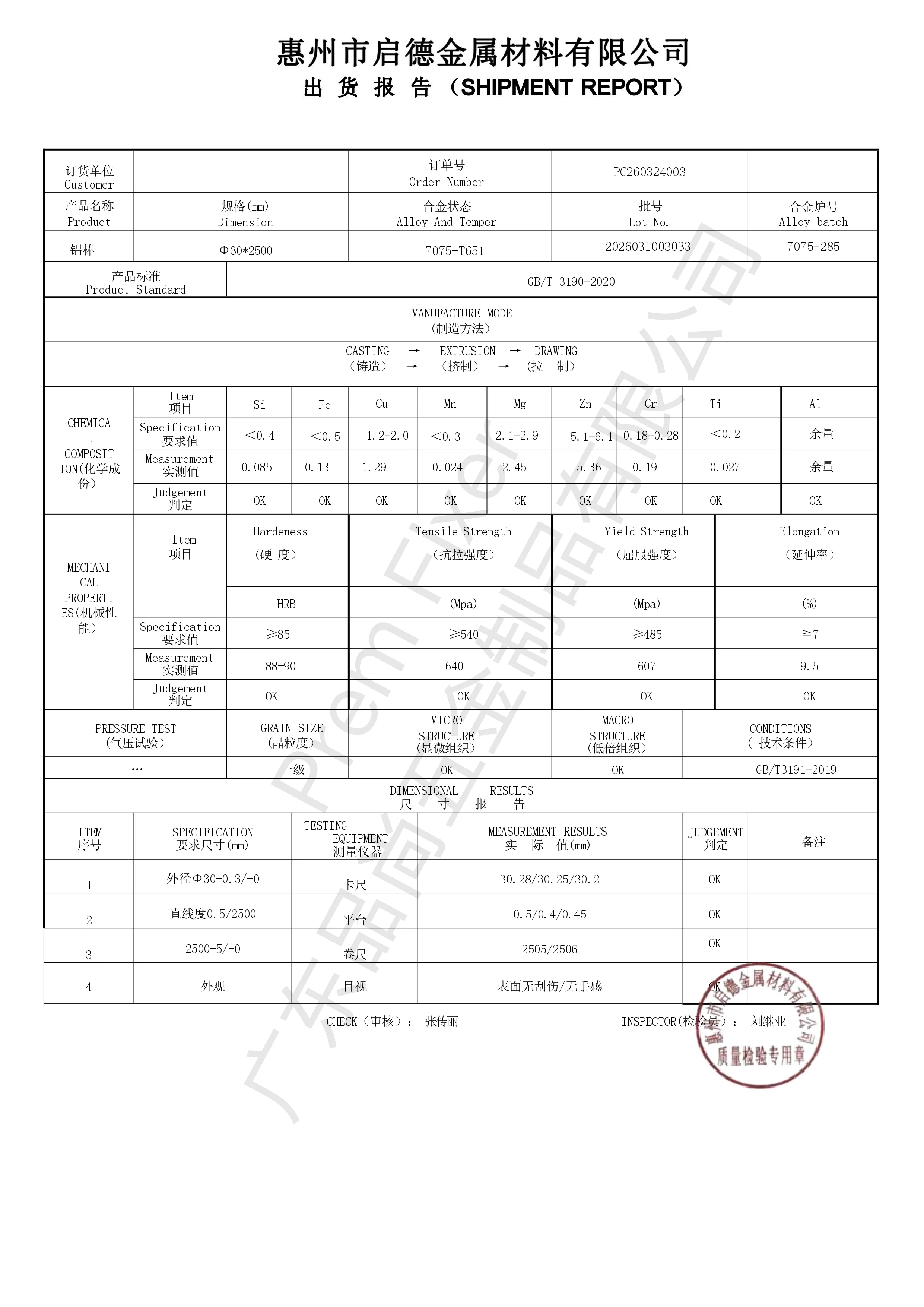
T6, T651 and T6511 describe different processing conditions. The supplier reports shown below record 6061-T651 and 7075-T651; they do not establish T6 supply for a new order.

TC4 / Ti-6Al-4V / Grade 5

Titanium, specified for the joint.

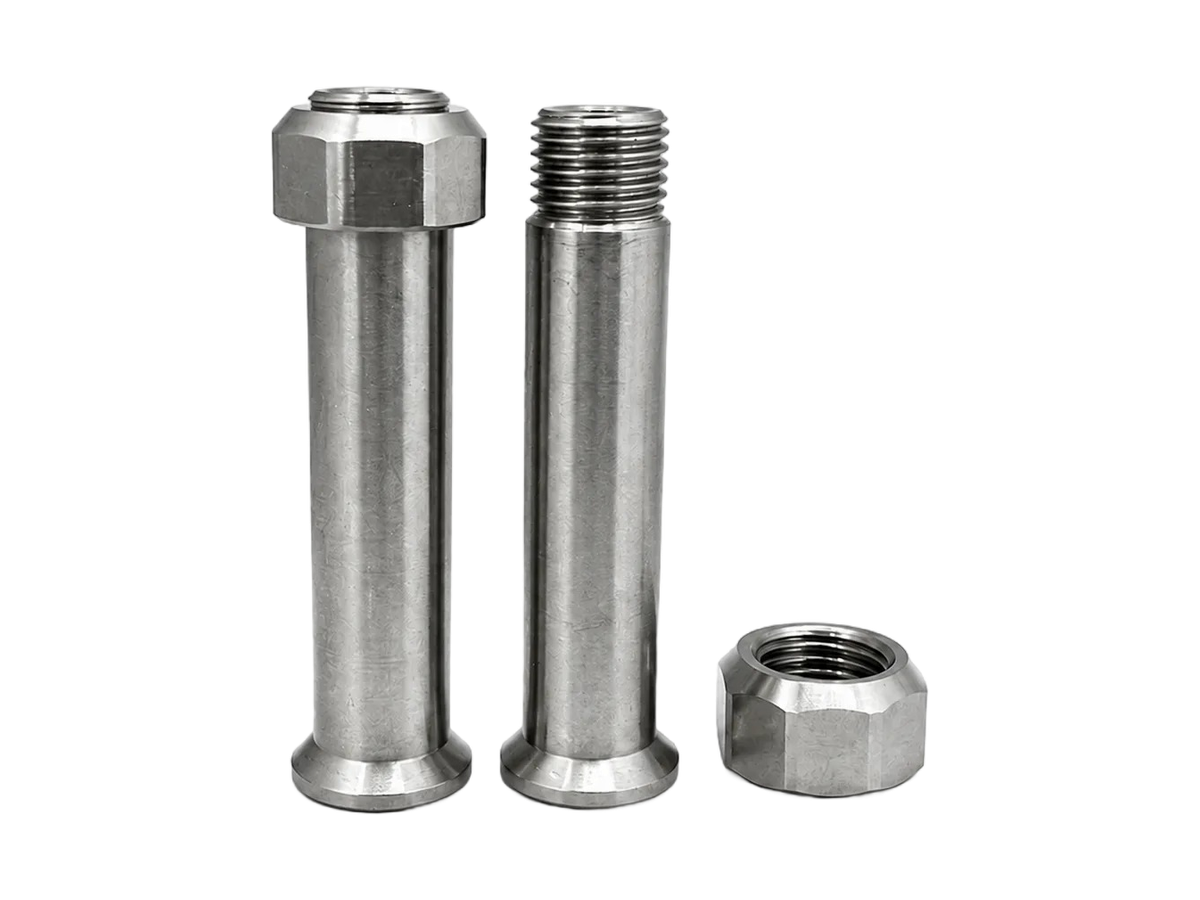
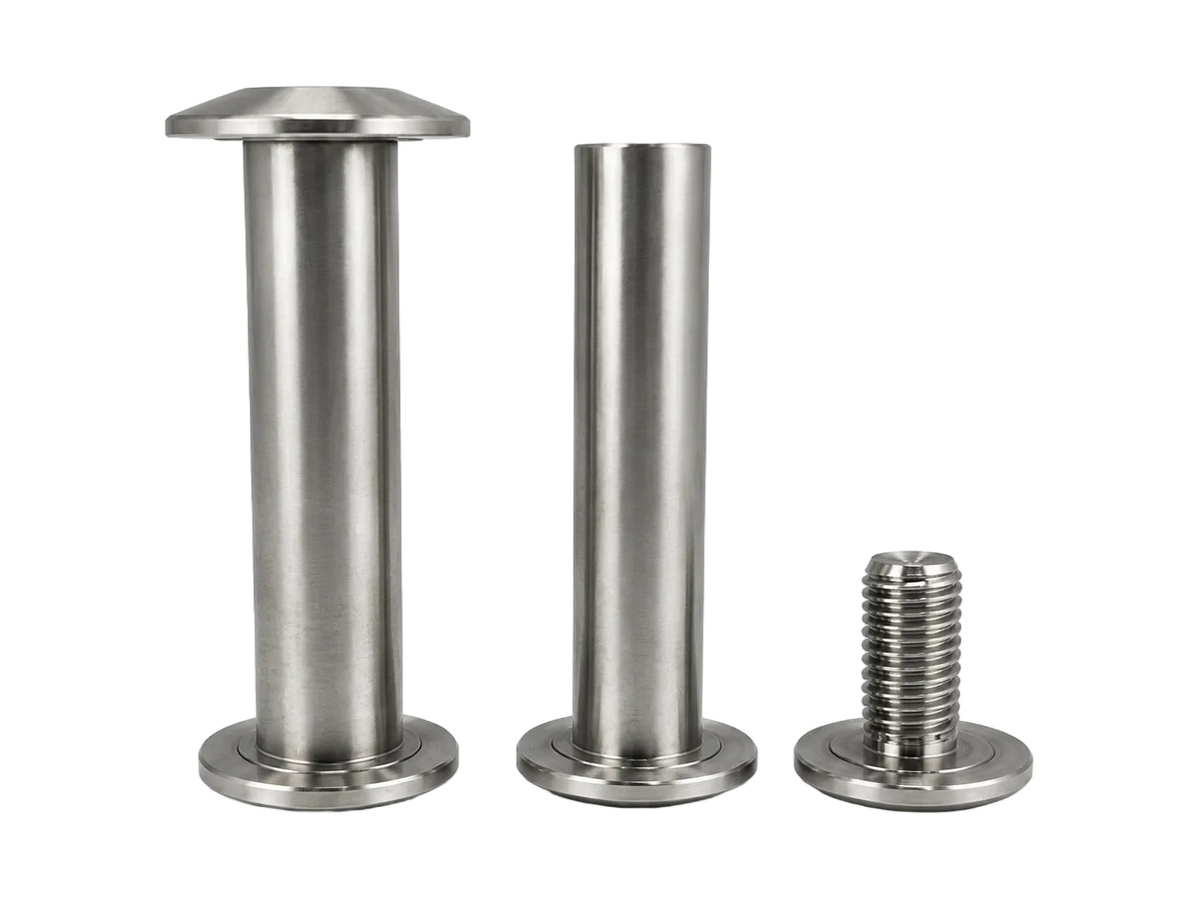
Two axle geometries and a matching flanged nut
Axle and mating-nut geometry for a material review. This reference photograph does not certify a titanium grade.

Titanium can enter a custom fastener discussion when lower mass than steel and corrosion resistance justify its machining and material cost. Candidate parts include pivot axles, shoulder bolts, shafts and mating hardware for drawing-led bicycle, motorcycle and other OEM projects.

TC4 and Grade 5 are designations associated with the Ti-6Al-4V alloy family under different standards. Specify the governing standard, product form, condition and acceptance requirements; composition naming alone does not make cross-standard stock interchangeable. PremFixer's existing TC2 offering is a separate titanium alloy option, not commercially pure Grade 2.

Manufacturing
Review bar supply, CNC turning, tool access, thread production and deburring against the part drawing. Agree any surface treatment and its supplier route before quotation.
Assembly checks
Address galling, lubrication, wear at sliding contacts and interaction with dissimilar materials. Lower mass does not authorize a direct replacement of an existing steel bolt.

From material to mating parts.

Founded in 2020, PremFixer Fasteners brings a core team with more than 20 years of accumulated fastener-industry experience. The drawing, sample, BOM and quantity define the manufacturing review.

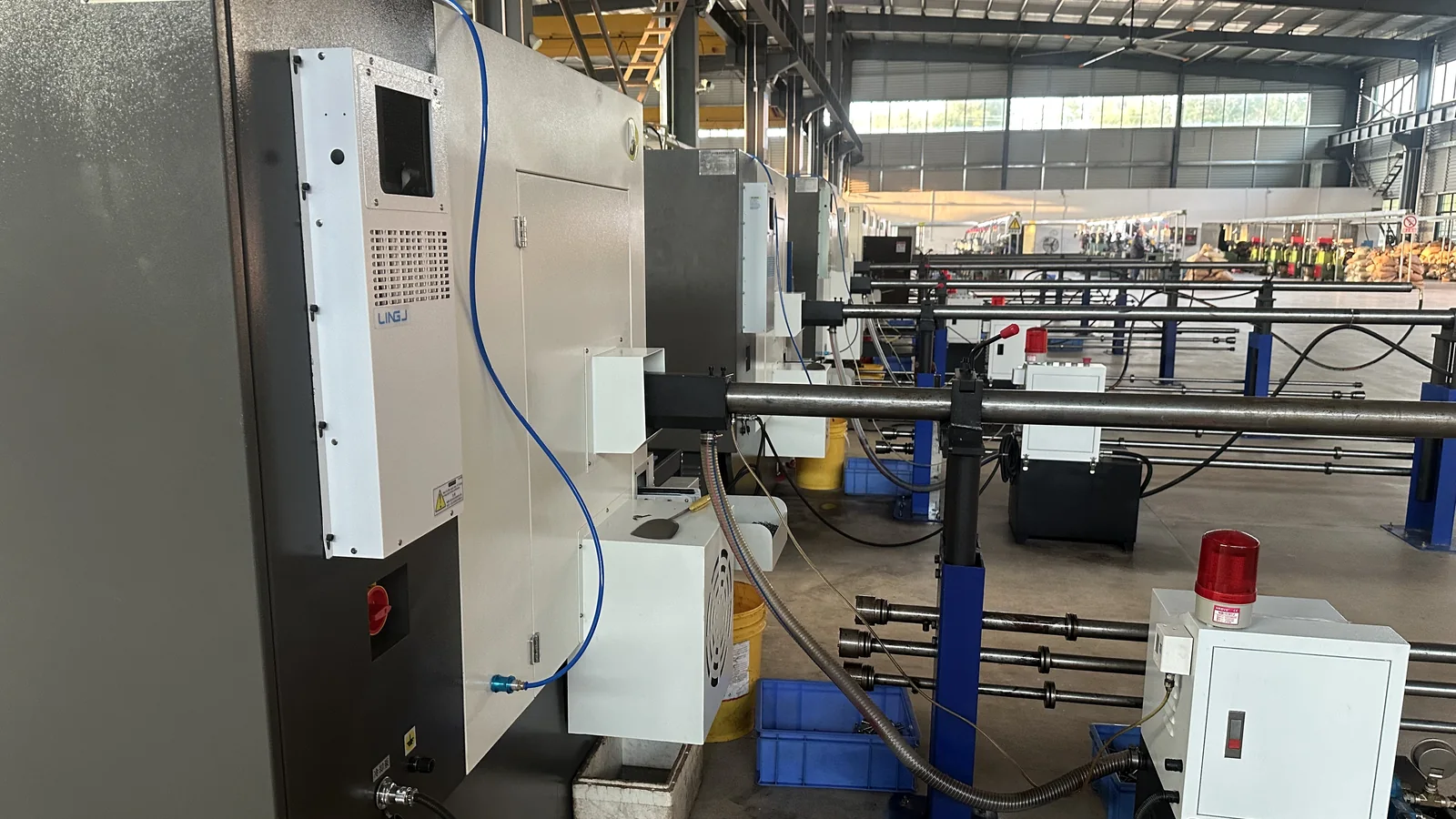
CNC lathe equipment in the existing PremFixer workshop photo
CNC production equipment for the agreed machining route.
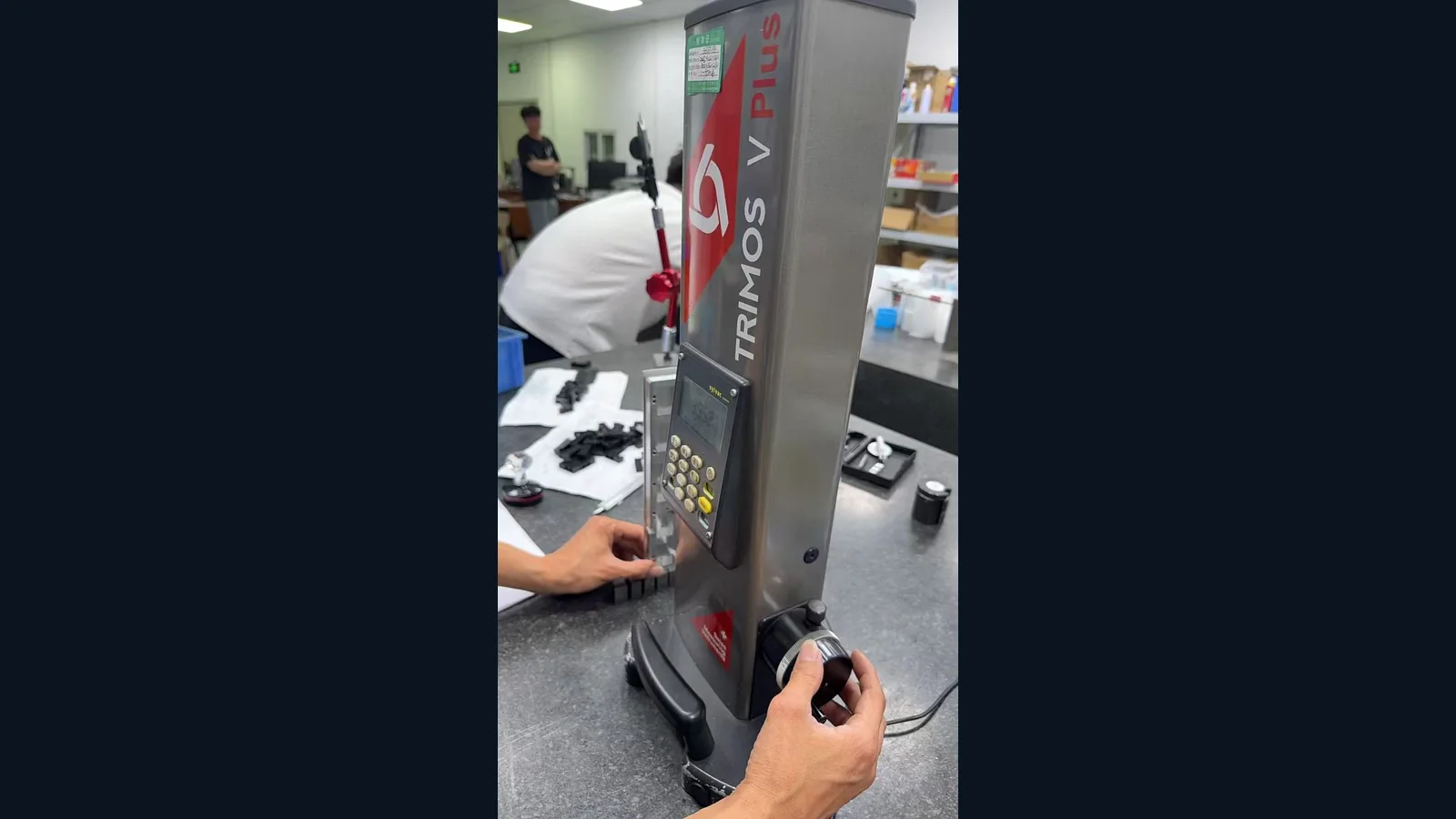
Height gauge and operator performing dimensional inspection
Dimensional inspection of features defined by the drawing.
Black hardware parts separated in individual packing compartments
Separated hardware packing for part identification and surface protection.
  1. Review the function

    Confirm drawing revision, material, assembly location and the dimensions that control fit.

  2. Prepare & turn

    Agree stock form and condition, then plan CNC turning and additional machining where the part requires it.

  3. Make the features

    Machine shoulders, bores, drive features and threads. Cutting and rolling are distinct thread routes, selected for the part.

  4. Finish & inspect

    Deburr, coordinate specified finishing and check the critical dimensions in their required finished condition.

  5. Match & release

    Identify paired parts, confirm samples and inspection requirements, and arrange the approved production and packing plan.

Specialist finishing or testing may be coordinated with qualified partners. The quotation identifies the agreed process and documentation scope.

Start with the assembly location.

The same material question changes with the shoulder, bearing stack, locking partner and service environment.

Display of machined bicycle hardware with stepped shafts and shoulder interfaces
PremFixer bicycle hardware display with stepped axles, shoulders and mating parts.

Bicycle & e-MTB pivot hardware

Review full-suspension main pivot axles, dual-sided locking hardware, shoulder bolts and matched sleeves or spacers. Coordinate shoulder lengths, bearing contact faces and the complete stack against the frame-platform BOM.

A main pivot near the bottom-bracket area is a suspension joint. Crank or bottom-bracket parts need their own confirmed drawing and part identity.

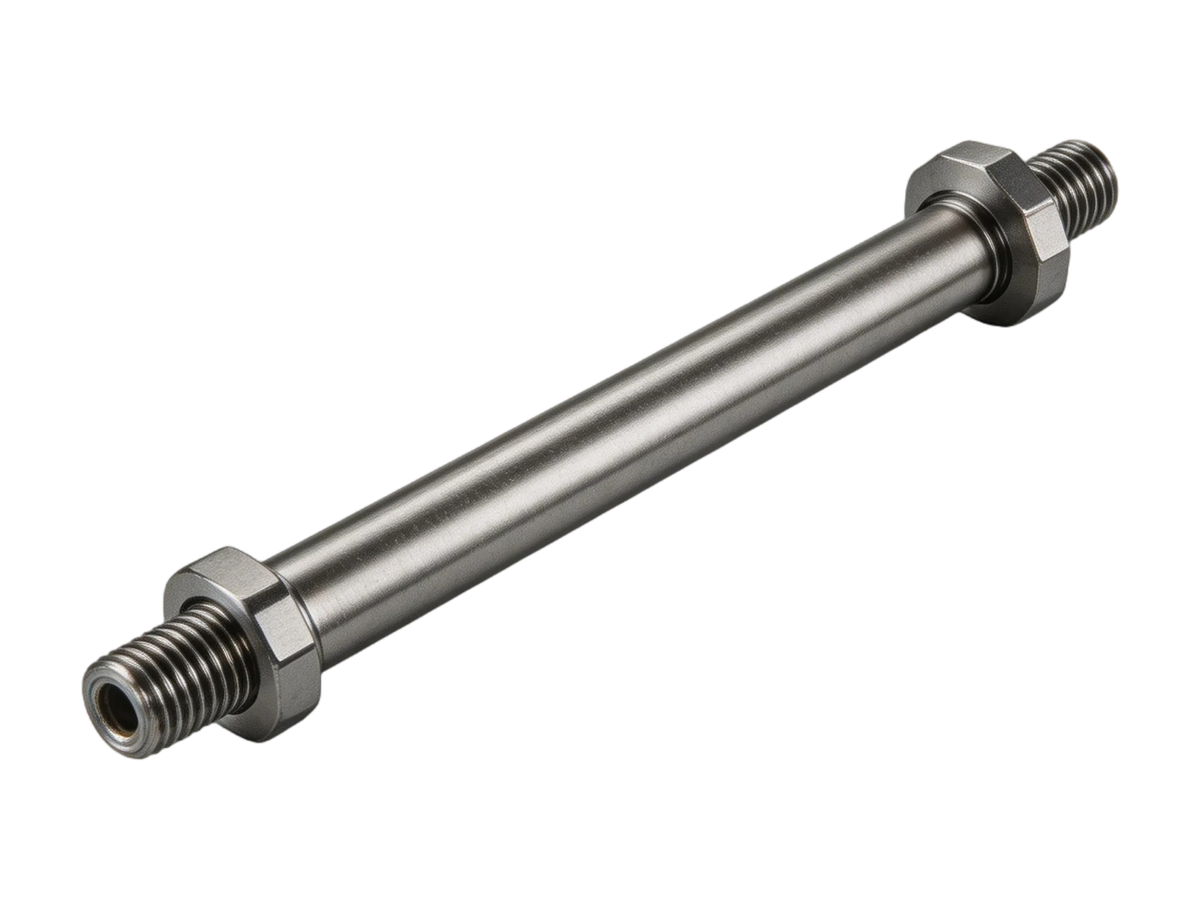
Double-ended axle with machined shoulders and threaded ends
Double-ended axle geometry from our product library, used to discuss a new drawing-led project.

Motorcycle & powersports projects

Send drawings for custom fasteners, shafts, sleeves, spacers and mounting parts. Identify the assembly, mating materials, loads, temperature and exposure so manufacturing feasibility can be reviewed against the actual requirements.

Brake, steering, suspension and other load-bearing positions require project-specific specifications and validation. These examples make no model-fit or general replacement claim.

Brands We Work With

FUJI-TA富士达PHOENIX, Phoenix Bicycle

Agree the record with the order.

Specify the grade, standard, stock form, condition, heat or lot identification and required evidence before purchasing. These existing supplier records illustrate the scope of a material document.

Supplier shipment report identifying 6061-T651 aluminum round bar

6061-T651 round bar

Supplier shipment report for the stated round-bar lot and condition. It does not establish availability of every 6061 temper or a finished part's performance.

View 6061-T651 Report
Supplier shipment report identifying 7075-T651 aluminum round bar

7075-T651 round bar

This supplier example names T651. A 7075-T6 order requires its own matching record. The original report, units, results and seal are preserved.

View 7075-T651 Report

Also available: existing SS304 material record. Its watermarked version is another view of the same report. These are supplier records, not reports from a PremFixer-owned laboratory.

Material questions, answered.

Useful distinctions before the drawing and quotation are released.

How do I choose between 304 and 316 stainless steel for a custom fastener?

Start with the actual exposure: cleaning agents, chloride contamination, wet storage and crevices. 316's molybdenum content can improve localized corrosion resistance in chloride environments, but neither grade is immune to corrosion. Then specify the stock condition and required finished-part properties separately. Thread pairing, lubrication and repeated disassembly also matter, especially where galling could prevent controlled tightening or later service.

When should 6061 or 7075 aluminum be considered?

Consider 6061 for machined sleeves, spacers and other parts where the load, stiffness and contact requirements permit it. Consider 7075 when additional strength is useful in a weight-sensitive design. Comparable T6 grades have much closer elastic stiffness than tensile strength, so review deflection separately. We confirm the available form and temper for the project; the existing 6061 report is not a blanket supply promise.

Why must the material temper or condition be specified?

The alloy name does not describe the complete stock specification. Heat treatment and stress-relief processes affect properties and machining behavior. T6, T651 and T6511 are different conditions and should remain distinct on the drawing, purchase order and material record. Product form matters too: use the requirements for the actual bar, rod or other stock, rather than substituting a plate data sheet.

How should TC4 and Grade 5 titanium be specified on a drawing?

State the governing material standard, grade, product form, condition and inspection requirements. TC4 and Grade 5 refer to the Ti-6Al-4V alloy family in different specification systems, but acceptance limits and delivery requirements must be compared before substitution. Name any required bar standard and documentation explicitly. Keep TC2 separate: it is a titanium alloy designation and must not be read as commercially pure Grade 2.

Can a steel component be redesigned in aluminum or titanium?

Potentially, after reviewing the whole joint. Compare loading, section size, stiffness, preload, thread engagement, bearing pressure, contact materials and fatigue requirements. Lower density or higher quoted strength alone does not demonstrate equivalence. A redesign may require changed geometry, a different interface or a validation program. For critical load-bearing locations, the customer's design and acceptance requirements govern the review.

How can anodizing or other finishes affect threads and bearing fits?

Surface treatment can change dimensions, roughness and friction. Define the finished size, coating specification and any masked areas for threads, shoulders, bores and bearing seats. Identify which dimensions are checked before and after treatment. Lubrication and coating also influence tightening behavior, so an installation torque cannot be selected from material name or thread diameter alone. Agree the assembly procedure with the joint requirements.

Can PremFixer manufacture a complete pivot hardware set from a BOM?

We can review a coordinated package of pivot axles, shoulder bolts, mating locking parts, sleeves and spacers against your drawings and BOM. Include part numbers, revisions, quantities and an assembly view showing the stack. Define matched dimensions, finishes and how parts should be identified or packed. The quotation confirms the included components, sourcing responsibilities, sample scope and production requirements.

Can you review material options for bicycle and motorcycle components?

Yes. Bicycle work can start with full-suspension pivot hardware and its bearing, spacer and shoulder interfaces. Motorcycle and powersports requests are reviewed as specific drawing-led projects for fasteners, shafts, sleeves and related parts. Share the assembly location, duty, mating materials and acceptance requirements. We do not assume compatibility with a particular vehicle or approve a safety-critical substitution from a photograph.

What material records can be agreed for an order?

Agree the material designation, standard, condition, stock form and required heat or lot linkage before ordering. Depending on the supply route, the package may include the supplier's material document and specified dimensional inspection records. State any particular certificate or test requirement in the RFQ so its availability and scope can be confirmed. An example report on this page applies only to its recorded material.

What should I send for a manufacturing review and quotation?

Start with your contact details, a brief description, a drawing or sample reference, and quantity or project stage. Include the material and condition if known, or request a material review. A drawing revision, STEP file, assembly location, finish, mating materials and critical dimensions help refine the review. These can be added as the discussion progresses through our existing inquiry form.

Engineering references

Material context: Outokumpu 316 / 316L overview, Kaiser rod and bar data, ATI Ti-6Al-4V data sheet. Use the applicable stock specification for the order; these sources are not finished-part guarantees.

YOUR DRAWING. THE NEXT STEP.

Send Your Drawing for a
Material & Manufacturing Review

Share your drawing or sample, material requirements and quantity. Include the assembly location and finish where available so we can review the part with its manufacturing and mating interfaces.

  • Drawing, BOM or sample reference
  • Quantity or project stage
  • Material and condition, if known

Material record

Open original image