
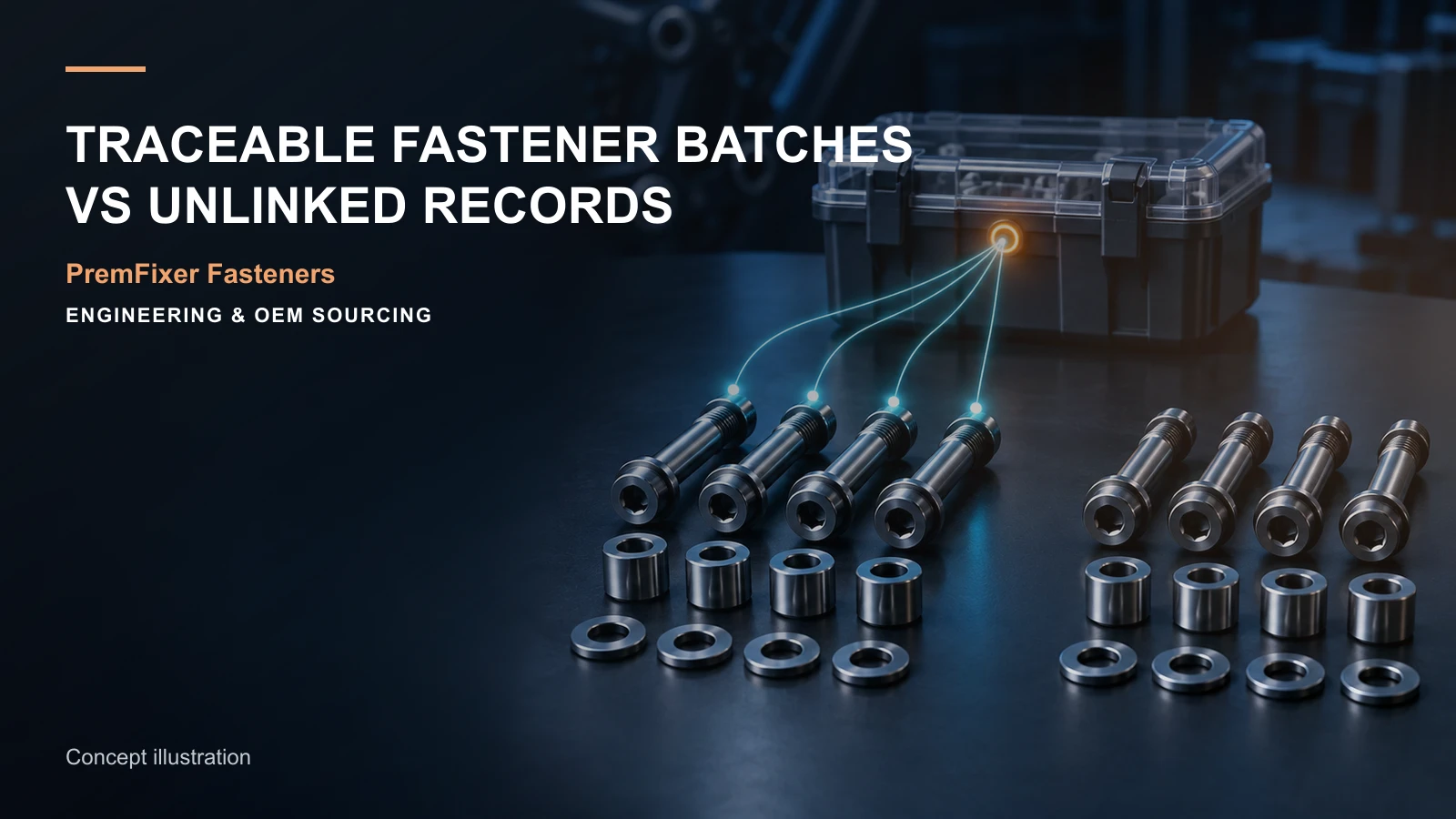
When an OEM buyer asks whether a fastener lot is traceable, the useful answer is not the name of the software used to store records. The useful answer starts with a package or shipment identity and shows how it connects to the supplied part number, approved revision, material lot and the manufacturing or inspection records agreed for that order.
Unlinked records can still look substantial. A material certificate may be on file, an inspection report may exist and a packing label may carry a code. If those identities cannot be reconciled, however, the team cannot confidently show which evidence applies to the delivered parts or isolate the affected supply when a question arises. Traceability is the relationship between records, not their quantity.
A field concern affects one finish lot but packaging cannot identify which frames received it. That example provides a practical test for the technical and commercial choices discussed below.
Define the comparison before comparing the price
What should a buyer be able to trace from one delivered fastener lot? At minimum, the agreed shipment identity should lead to the part and revision supplied, the relevant material lot and the manufacturing or inspection records included in the order scope. The reverse route should also be possible where needed: an affected material, process batch or revision should identify which deliveries require review.
The depth of that chain depends on the component and program. A standard catalog screw may use a different record model from a drawing-controlled pivot axle or a multi-part suspension kit. Compare offers against the same required fields and retention scope. A quote for lot-identified parts with retrievable records is not the same delivered service as a quote for visually similar parts without a connected history.
For the "Define the comparison before comparing the price" review, put bicycle fastener batch traceability, fastener lot tracking, bicycle hardware BOM control, fastener revision control on the same sheet. Name the current revision, the decision owner and the condition that allows the part or program to move forward. The technical discussion then has a clear purchasing and release action.
Do not reduce the decision to whether a supplier uses a particular digital platform. A controlled paper or mixed system can be effective; a sophisticated interface can still contain disconnected inputs.
Connect the delivered parts to their history
Begin at the receiving package. Its identity should resolve to an order, part number, revision, lot and quantity. From there, define the material record and the relevant process or inspection history. If a lot is divided across packages or shipments, the child identities should retain the parent connection rather than becoming new, unrelated records.
Manufacturing routes often contain natural split and merge points. One material lot may feed several production lots; one production lot may be separated for finishing; several accepted components may enter one hardware kit. Traceability should preserve these relationships at a level proportional to the risk and order requirement. It need not pretend that every part has an individual serial number when lot control is the agreed model.
Under "Connect the delivered parts to their history," compare the current and proposed conditions using bicycle fastener batch traceability, fastener lot tracking, bicycle hardware BOM control, fastener revision control. Record the evidence source and any item that remains open. The buyer should be able to approve, reject or sample a specific supplier proposal.
Packing and document release are part of the chain. The label should use the same controlled part identity as the BOM and inspection record.
| Traceability field | Connection to preserve | Review question |
|---|---|---|
| Shipment identity | Package, order, lot and delivered quantity. | Can receiving start the lookup from the physical delivery? |
| Material lot | Issued material and its applicable source record. | Can the supplier show which material supported this production lot? |
| Process record | Relevant manufacturing, finishing and inspection steps. | Are the records named in the order connected to this supply? |
| Part revision | Released drawing or specification configuration. | Does the delivered identity match the approved version? |
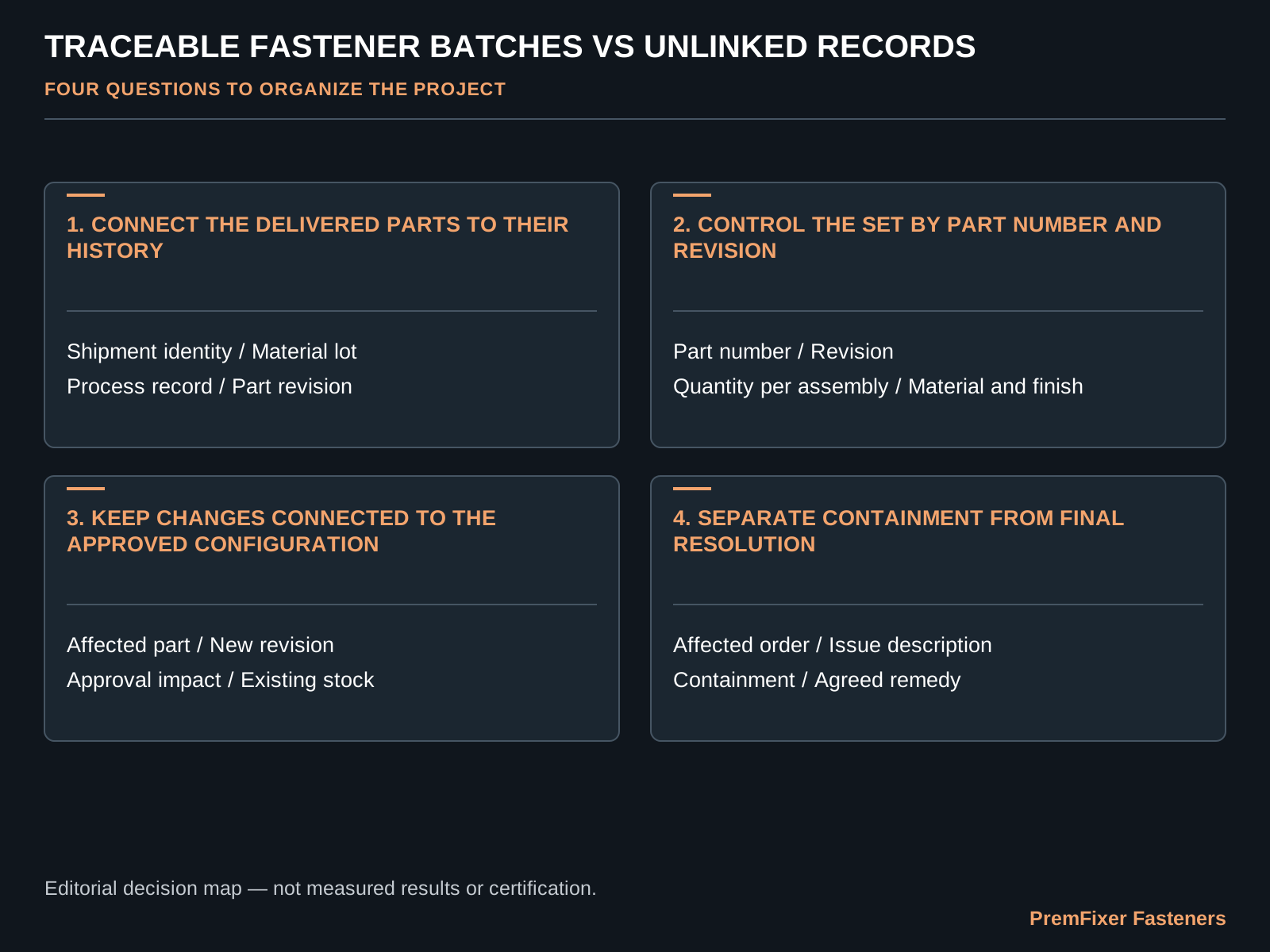
Control the set by part number and revision
A traceable hardware set needs item-level structure. Give every axle, sleeve, spacer, nut or screw its own part number and revision, then state the quantity required per bicycle or assembly. Left- and right-side parts, model-year variants and service replacements should remain explicit even when they arrive in one package.
Material and finish belong to the line item. A coordinated kit may combine titanium, stainless steel, aluminum or treated steel components according to the approved design. Common supply does not mean common material, tolerance or process. The BOM should preserve those differences and let the packing record show which approved items form a complete set.
In "Control the set by part number and revision," follow bicycle fastener batch traceability, fastener lot tracking, bicycle hardware BOM control, fastener revision control through the relevant handoff. The output from one operation or team should be a usable input for the next. Missing ownership at that boundary often causes more disruption than the operation itself.
The relationship between BOM identity and lot identity lets a buyer answer two different questions: what configuration was intended, and which production supply fulfilled it. Without both, a kit can be complete by count yet contain the wrong revision, or a valid lot can be packed into an outdated configuration.
| BOM field | What to control | Traceability role |
|---|---|---|
| Part number | A unique identity for each supplied component. | Separates visually similar items and supports lot lookup. |
| Revision | The approved configuration of that item. | Connects drawing, sample, records and packed stock. |
| Quantity per assembly | The count required for one kit or vehicle. | Supports packing and receiving reconciliation. |
| Material and finish | The delivered material condition and specified treatment. | Prevents a shared kit name from obscuring item-level requirements. |
Keep changes connected to the approved configuration
A change after sampling begins with an affected part and a new or updated revision. Review the drawing, BOM, manufacturing route, inspection plan, packing label and service identity that use the old version. The impact is specific to the change: a color update may affect finishing and visual acceptance, while a shoulder-diameter change may affect material, machining, measurement and mating-part review.
Existing stock needs a recorded disposition. Raw material may remain usable, a semi-finished blank may or may not support the new geometry, and finished stock may require segregation, rework or an agreed legacy use. Do not assume that every change forces complete scrap, but do not allow old stock to move forward because its external appearance is close.
Use bicycle fastener batch traceability, fastener lot tracking, bicycle hardware BOM control, fastener revision control to define the sample question for "Keep changes connected to the approved configuration." The sample record should state what represents production, what is temporary and which decision follows the review. A conforming sample without that context can still leave the production route unsettled.
Update the traceability relationship when the change is released. New production records should point to the new revision, and any approved reworked stock should retain both its original identity and its authorized disposition.
| Change field | Decision to record | Risk controlled |
|---|---|---|
| Affected part | Which part numbers and mating components are touched? | Prevents a local edit from hiding an assembly effect. |
| New revision | Which released configuration authorizes new work? | Stops verbal changes from bypassing document control. |
| Approval impact | Which samples, inspections or customer decisions must be repeated? | Keeps approval proportional to the actual change. |
| Existing stock | Use, rework, segregate or dispose under an agreed rule. | Prevents old and new configurations from mixing. |
Separate containment from final resolution
When an issue is reported, first identify the affected order, part, revision, lot and observed condition. Initial containment may include holding stock, pausing a shipment, checking related packages or separating a suspect quantity. These steps limit exposure while the evidence is reviewed; they are not yet a root-cause conclusion or final commercial remedy.
The traceability chain helps focus the investigation. It can show which material, process route, tool period, inspection record or packing event is relevant to the affected supply. It can also show which other deliveries are outside that relationship. This avoids both under-reacting to a real shared cause and over-expanding containment to unrelated orders.
After "Separate containment from final resolution," carry bicycle fastener batch traceability, fastener lot tracking, bicycle hardware BOM control, fastener revision control into repeat orders and service planning. Approved conditions should remain visible in stock, inspection records and packaging so that later lots do not depend on personal memory.
Agree the final remedy after responsibility and disposition are understood. Rework, replacement, return or another resolution should connect to the original requirement and the confirmed condition.
| Response field | Immediate use | Final use |
|---|---|---|
| Affected order | Locate the shipment, part and lot in question. | Define the confirmed scope of the resolution. |
| Issue description | Record the observed condition without assuming the cause. | Compare findings with the released requirement. |
| Containment | Hold, segregate or inspect potentially related stock. | Close or revise the temporary action after scope is confirmed. |
| Agreed remedy | Remain open during initial response. | Record rework, replacement, return or other approved disposition. |
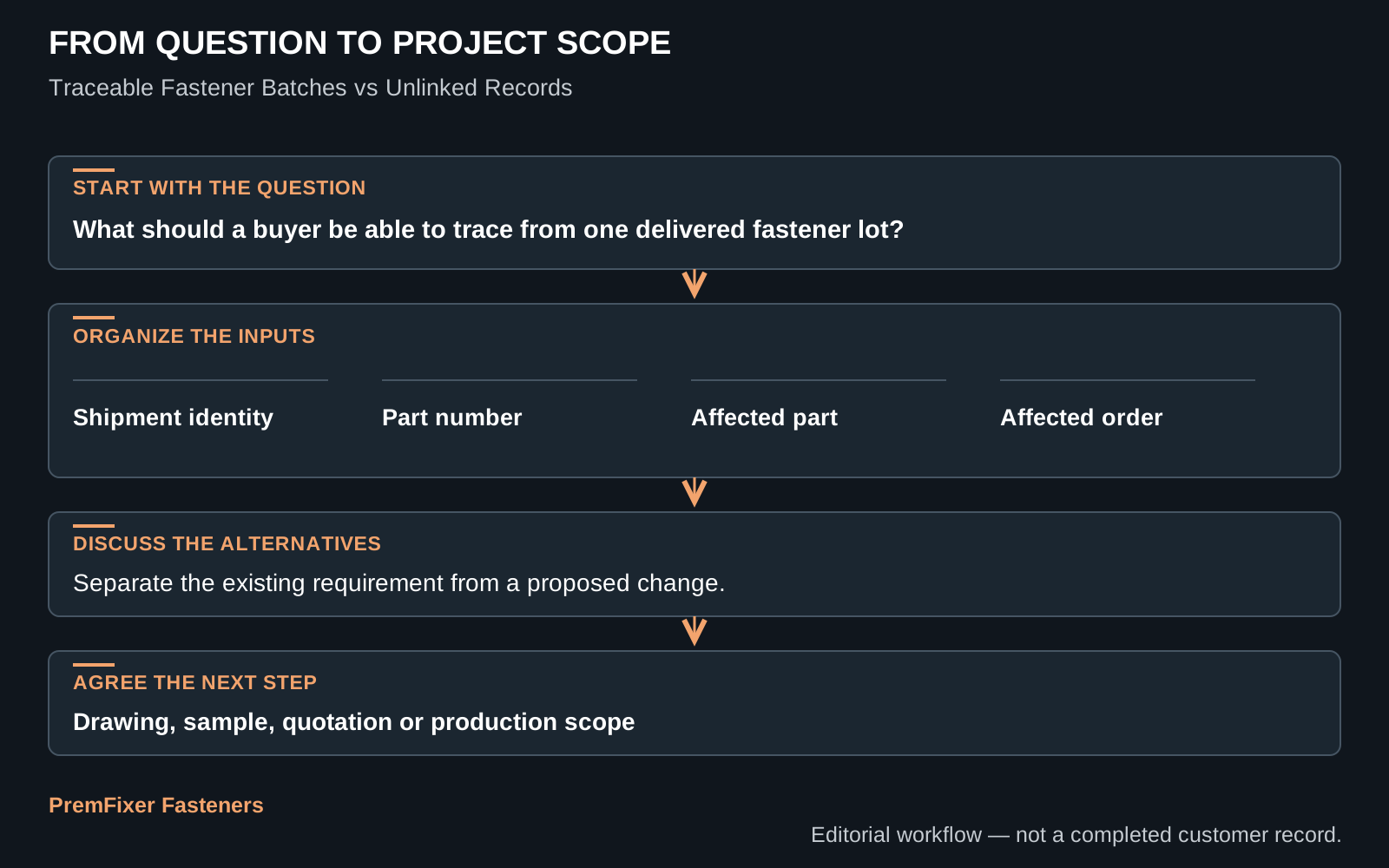
Apply the discussion to a PremFixer Fasteners project
Start with an available drawing, BOM or sample description, the current revision, quantities and project stage. Identify the traceability depth needed for the component: package-to-lot identity, material linkage, selected process records, item-level kit control or an agreed combination. Include any customer label or record format that must connect to receiving.
PremFixer Fasteners can organize the manufacturing and packing proposal around those identities. The discussion can also define how revisions affect existing stock and what information begins an issue response. The result should be a record chain proportionate to the order, not a generic promise that every stored document applies to every delivered part.
Convert the result of "Apply the discussion to a PremFixer Fasteners project" into a quotation line that identifies bicycle fastener batch traceability, fastener lot tracking, bicycle hardware BOM control, fastener revision control. Ask the supplier to state included work, customer inputs, open assumptions and release evidence. Alternative offers are easier to compare when scope is not hidden inside one unit price.
Share your available drawings, BOM or project description with PremFixer Fasteners, together with quantities and the project stage, to discuss traceable fastener batches.
Turn the comparison into a controlled work package
A field concern affects one finish lot but packaging cannot identify which frames received it. Map that case from customer input to accepted delivery, including every point where the part, information or approval changes hands.
For each traceable fastener batches vs unlinked records: what oem buyers need handoff, write the input, responsible person, expected output and rejection condition. This short record makes schedule and responsibility visible without a large process manual.
Weak links force broad containment while excessive identifiers can become difficult to maintain. Compare the proposed controls with the current route and choose evidence that can reveal the difference during a representative sample or pilot.
Once the result for traceable fastener batches vs unlinked records: what oem buyers need is accepted, update the released files and any stock or service identity affected by the change. Keep superseded material separate whenever interchangeability has not been approved.
Provide the batch definition, process route, required records, packaging labels and retention period. A useful supplier reply links technical questions, commercial scope and release evidence to the same project revision.
Questions buyers ask
Which project decision comes first?
Set a traceability depth that supports containment, investigation and service without unnecessary record burden. The comparison is credible only when every option uses the same part revision, quantity and delivered condition.
What belongs in the first RFQ?
The first package should contain the batch definition, process route, required records, packaging labels and retention period. It should also state the immediate decision the customer needs from the supplier response.
How should the sample be judged?
Base the pilot on this situation: a field concern affects one finish lot but packaging cannot identify which frames received it. Record the representative operations and the approval that follows the result.
Which risk needs an owner?
The main risk is that weak links force broad containment while excessive identifiers can become difficult to maintain. Put one person in charge of the related drawing, handoff or release action.
What can PremFixer review before quotation?
For traceable fastener batches vs unlinked records: what oem buyers need, PremFixer can organize the files and open points into a manufacturing, sample and quotation response for the defined component or hardware set.
Design the traceability chain
Share the batch definition, process route, required records, packaging labels and retention period. The response will identify the proposed scope, open questions and the evidence needed before release.
Discuss This Project