
A one-off prototype can conceal setup and access work that becomes expensive in repeat production. Define original feature, issue, alternative, impact, then connect those inputs to the workholding concept and setup record. That gives the engineering and purchasing teams a common basis for the next step. The practical tool in this guide is a dfm change table connected to the required project handover.
For an OEM team, design for batch production becomes useful when Designing pivots for, Turn design advice, Design support and and Carry the approved are tied to one component or purchase decision. This guide follows the seven stages in the source framework and keeps manufacturing, inspection and delivery assumptions visible as the project moves forward.
The design for batch production examples are planning methods, not universal acceptance values. Apply them to the released bicycle platform, mating parts and approved validation plan, and keep any open field identified until the responsible team closes it.
Designing pivots for repeat production: the decision to resolve
Start with the current part, assembly or order state rather than a blank specification. For design for batch production, this means the team should designing pivots for repeat production: the decision to resolve with Designing pivots for visible in the discussion. The purpose is to connect the article topic to an actual bicycle component, hardware family or purchase order rather than treat the heading as a general capability claim.
Place Designing pivots for, Turn design advice, Design support and and Carry the approved in the same working record. A change to one field can alter machining access, final fit, inspection effort, batch planning or the delivered condition. The immediate output is a designing pivots for repeat production: the decision to resolve record that states the current revision, the proposed change and the point that still needs approval.
The first record should show what is known, what is assumed and which decision the project team needs next. In a practical design for batch production review, engineering should explain the functional reason, purchasing should confirm quantity and supplied scope, and manufacturing should identify the route or information needed to proceed. The team can then compare alternatives without mixing an unapproved proposal into the released requirement.
For a prototype or first order, write one or two questions that the part, report or delivery can answer. Keep the result with the relevant drawing, material and finish state. If geometry, quantity, processing or assembly changes later, reopen the stage 1 working record for the affected configuration rather than extending the earlier conclusion without review.
Turn design advice into a specific proposed change
Translate the requirement into feature-level inputs that design, purchasing and manufacturing can all read. For design for batch production, this means the team should turn design advice into a specific proposed change with Turn design advice visible in the discussion. The purpose is to connect the article topic to an actual bicycle component, hardware family or purchase order rather than treat the heading as a general capability claim.
Place Design support and, Carry the approved, Connect tool condition and Separate recurring unit in the same working record. A change to one field can alter machining access, final fit, inspection effort, batch planning or the delivered condition. The immediate output is a turn design advice into a specific proposed change record that states the current revision, the proposed change and the point that still needs approval.
This is where an attractive concept becomes a controlled drawing, process question or supply definition. In a practical design for batch production review, engineering should explain the functional reason, purchasing should confirm quantity and supplied scope, and manufacturing should identify the route or information needed to proceed. The team can then compare alternatives without mixing an unapproved proposal into the released requirement.
For a prototype or first order, write one or two questions that the part, report or delivery can answer. Keep the result with the relevant drawing, material and finish state. If geometry, quantity, processing or assembly changes later, reopen the stage 2 working record for the affected configuration rather than extending the earlier conclusion without review.
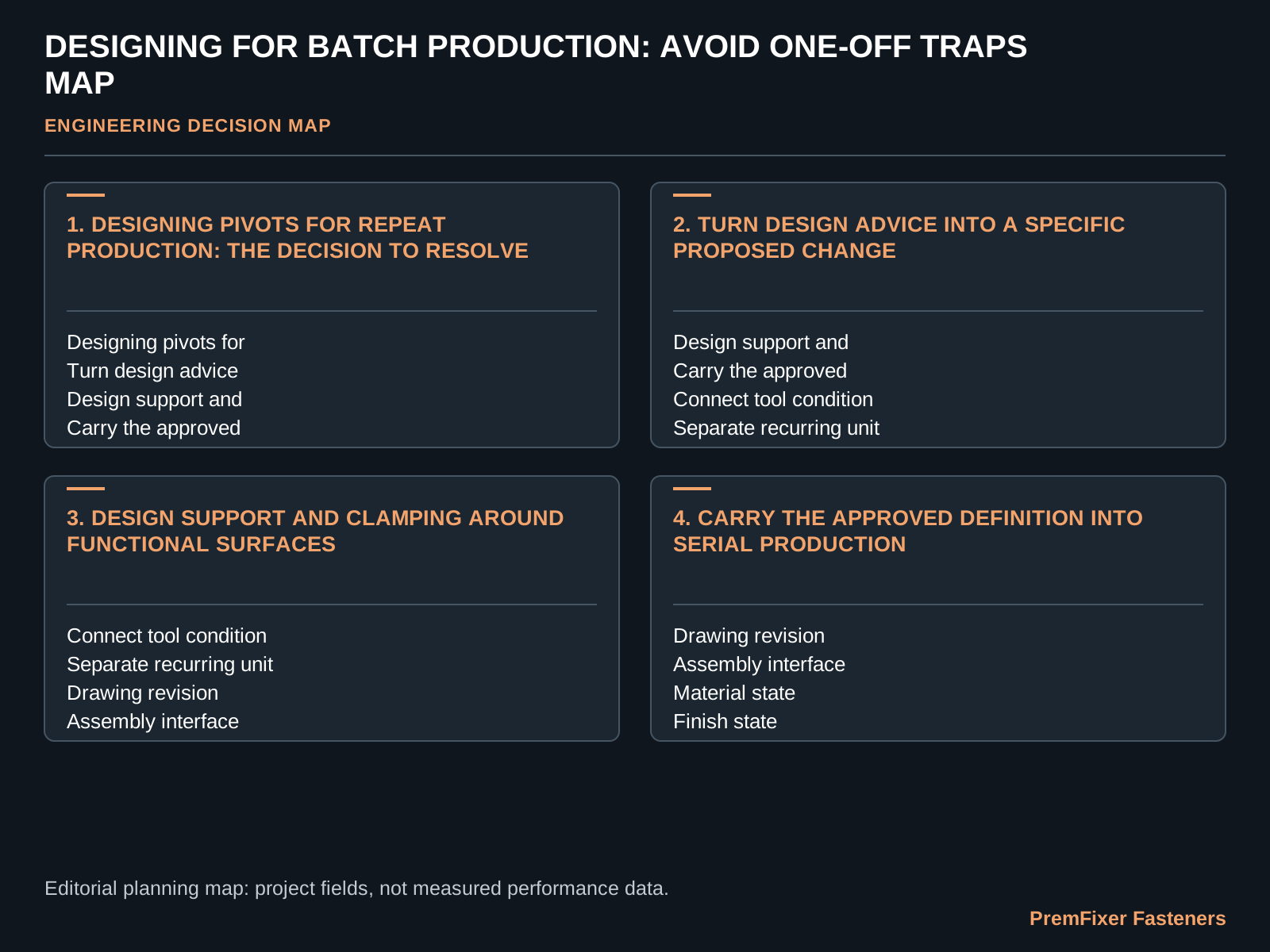
| Stage | Project decision | Inputs to connect | Working output |
|---|---|---|---|
| 01 | Designing pivots for repeat production: the decision to resolve | Designing pivots for / Turn design advice / Design support and | designing pivots for repeat production: the decision to resolve record |
| 02 | Turn design advice into a specific proposed change | Design support and / Carry the approved / Connect tool condition | turn design advice into a specific proposed change record |
| 03 | Design support and clamping around functional surfaces | Connect tool condition / Separate recurring unit / Drawing revision | design support and clamping around functional surfaces record |
| 04 | Carry the approved definition into serial production | Drawing revision / Assembly interface / Material state | carry the approved definition into serial production record |
| 05 | Connect tool condition to measured part behavior | Material state / Finish state / Order quantity | connect tool condition to measured part behavior record |
| 06 | Separate recurring unit work from fixed project work | Order quantity / Inspection method / Delivery scope | separate recurring unit work from fixed project work record |
| 07 | Put the discussion into a project request | Delivery scope / Designing pivots for / Turn design advice | put the discussion into a project request record |
Design support and clamping around functional surfaces
Connect the selected option to the machining route and the interfaces that the finished part must serve. For design for batch production, this means the team should design support and clamping around functional surfaces with Design support and visible in the discussion. The purpose is to connect the article topic to an actual bicycle component, hardware family or purchase order rather than treat the heading as a general capability claim.
Place Connect tool condition, Separate recurring unit, Drawing revision and Assembly interface in the same working record. A change to one field can alter machining access, final fit, inspection effort, batch planning or the delivered condition. The immediate output is a design support and clamping around functional surfaces record that states the current revision, the proposed change and the point that still needs approval.
A sample should answer a named question instead of acting as a general promise about future production. In a practical design for batch production review, engineering should explain the functional reason, purchasing should confirm quantity and supplied scope, and manufacturing should identify the route or information needed to proceed. The team can then compare alternatives without mixing an unapproved proposal into the released requirement.
For a prototype or first order, write one or two questions that the part, report or delivery can answer. Keep the result with the relevant drawing, material and finish state. If geometry, quantity, processing or assembly changes later, reopen the stage 3 working record for the affected configuration rather than extending the earlier conclusion without review.
Carry the approved definition into serial production
Define how the result will be checked and which revision or lot the record belongs to. For design for batch production, this means the team should carry the approved definition into serial production with Carry the approved visible in the discussion. The purpose is to connect the article topic to an actual bicycle component, hardware family or purchase order rather than treat the heading as a general capability claim.
Place Drawing revision, Assembly interface, Material state and Finish state in the same working record. A change to one field can alter machining access, final fit, inspection effort, batch planning or the delivered condition. The immediate output is a carry the approved definition into serial production record that states the current revision, the proposed change and the point that still needs approval.
The measurement or review method must evaluate the relationship described by the drawing and assembly. In a practical design for batch production review, engineering should explain the functional reason, purchasing should confirm quantity and supplied scope, and manufacturing should identify the route or information needed to proceed. The team can then compare alternatives without mixing an unapproved proposal into the released requirement.
For a prototype or first order, write one or two questions that the part, report or delivery can answer. Keep the result with the relevant drawing, material and finish state. If geometry, quantity, processing or assembly changes later, reopen the stage 4 working record for the affected configuration rather than extending the earlier conclusion without review.
Connect tool condition to measured part behavior
Carry the engineering decision into batch, assembly, service or delivery planning. For design for batch production, this means the team should connect tool condition to measured part behavior with Connect tool condition visible in the discussion. The purpose is to connect the article topic to an actual bicycle component, hardware family or purchase order rather than treat the heading as a general capability claim.
Place Material state, Finish state, Order quantity and Inspection method in the same working record. A change to one field can alter machining access, final fit, inspection effort, batch planning or the delivered condition. The immediate output is a connect tool condition to measured part behavior record that states the current revision, the proposed change and the point that still needs approval.
This prevents a technically sound decision from being lost when quantities, operators or suppliers change. In a practical design for batch production review, engineering should explain the functional reason, purchasing should confirm quantity and supplied scope, and manufacturing should identify the route or information needed to proceed. The team can then compare alternatives without mixing an unapproved proposal into the released requirement.
For a prototype or first order, write one or two questions that the part, report or delivery can answer. Keep the result with the relevant drawing, material and finish state. If geometry, quantity, processing or assembly changes later, reopen the stage 5 working record for the affected configuration rather than extending the earlier conclusion without review.
Separate recurring unit work from fixed project work
Close the topic with a release-ready project package and one responsible owner for each open point. For design for batch production, this means the team should separate recurring unit work from fixed project work with Separate recurring unit visible in the discussion. The purpose is to connect the article topic to an actual bicycle component, hardware family or purchase order rather than treat the heading as a general capability claim.
Place Order quantity, Inspection method, Delivery scope and Designing pivots for in the same working record. A change to one field can alter machining access, final fit, inspection effort, batch planning or the delivered condition. The immediate output is a separate recurring unit work from fixed project work record that states the current revision, the proposed change and the point that still needs approval.
The supplier can then quote or plan work against a visible scope while the OEM retains approval of the final application. In a practical design for batch production review, engineering should explain the functional reason, purchasing should confirm quantity and supplied scope, and manufacturing should identify the route or information needed to proceed. The team can then compare alternatives without mixing an unapproved proposal into the released requirement.
For a prototype or first order, write one or two questions that the part, report or delivery can answer. Keep the result with the relevant drawing, material and finish state. If geometry, quantity, processing or assembly changes later, reopen the stage 6 working record for the affected configuration rather than extending the earlier conclusion without review.
Put the discussion into a project request
Turn the completed review into a concise project request that names the supplied information and the next decision. For design for batch production, this means the team should put the discussion into a project request with Designing pivots for visible in the discussion. The purpose is to connect the article topic to an actual bicycle component, hardware family or purchase order rather than treat the heading as a general capability claim.
Place Delivery scope, Designing pivots for, Turn design advice and Design support and in the same working record. A change to one field can alter machining access, final fit, inspection effort, batch planning or the delivered condition. The immediate output is a put the discussion into a project request record that states the current revision, the proposed change and the point that still needs approval.
This final handover keeps the article useful without turning each earlier section into a sales claim. In a practical design for batch production review, engineering should explain the functional reason, purchasing should confirm quantity and supplied scope, and manufacturing should identify the route or information needed to proceed. The team can then compare alternatives without mixing an unapproved proposal into the released requirement.
For a prototype or first order, write one or two questions that the part, report or delivery can answer. Keep the result with the relevant drawing, material and finish state. If geometry, quantity, processing or assembly changes later, reopen the stage 7 working record for the affected configuration rather than extending the earlier conclusion without review.
Questions buyers ask
What is the practical starting point for designing pivots for repeat production?
A one-off prototype can conceal setup and access work that becomes expensive in repeat production. Define original feature, issue, alternative, impact, then connect those inputs to the workholding concept and setup record. That gives the engineering and purchasing teams a common basis for the next step.
What makes DFM feedback useful rather than generic?
Name the feature, explain the manufacturing issue and show the proposed alternative. State which functional requirement or approval could be affected, then compare cost or scheduling implications on the same basis. The original drawing remains the baseline until the responsible designer accepts a change.
What should a workholding proposal explain?
Identify where the workpiece is located, supported and clamped, and which surfaces must remain protected or accessible. Explain transfers between operations and the relationship to the drawing datums. For repeat orders, record the fixture identity and setup instructions so that a familiar part does not depend on an undocumented individual adjustment.
Must the production route be identical to the prototype route?
Not always. The required delivered characteristics should remain controlled, while a different production route may need its own review and confirmation. Record relevant route changes and the checks that establish conformity to the approved definition. Keeping one reference sample is helpful, but it does not replace the drawing, BOM or agreed acceptance requirements.
Should tools be replaced only when a dimension fails?
A production plan should define how tool condition and part measurements trigger action before uncontrolled output continues. Record the tool, affected features, offsets and checks after replacement. Time or piece-count limits may form part of the plan, but they should relate to the actual material, operation and observed process rather than being copied across unrelated parts.
Turn the Design For Batch Production Question into a Controlled RFQ
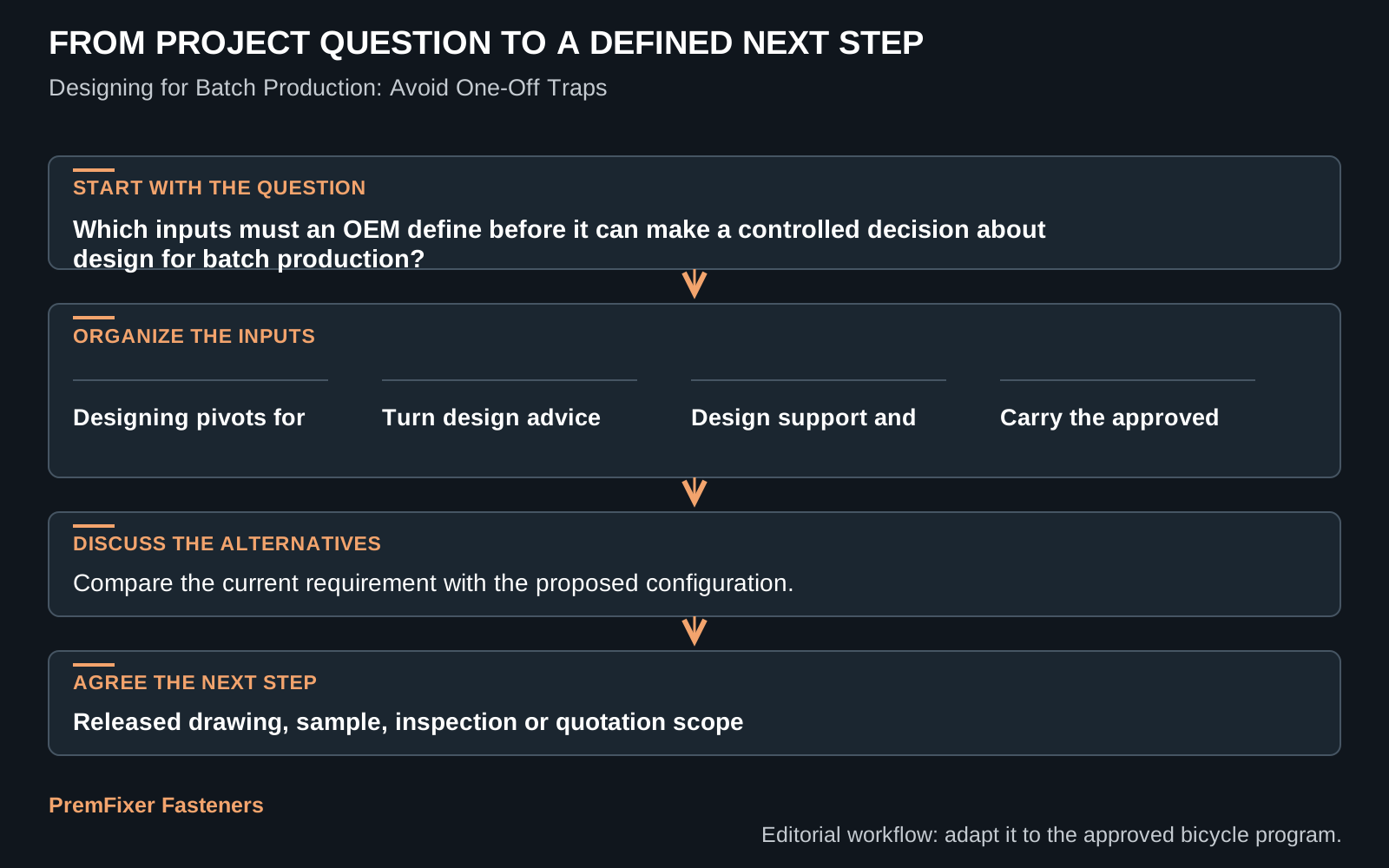
Discuss designing pivots for repeat production with PremFixer Fasteners. Send your available drawing, BOM or part information, project stage and quantities so the scope and next step can be defined.
Discuss the RFQ