
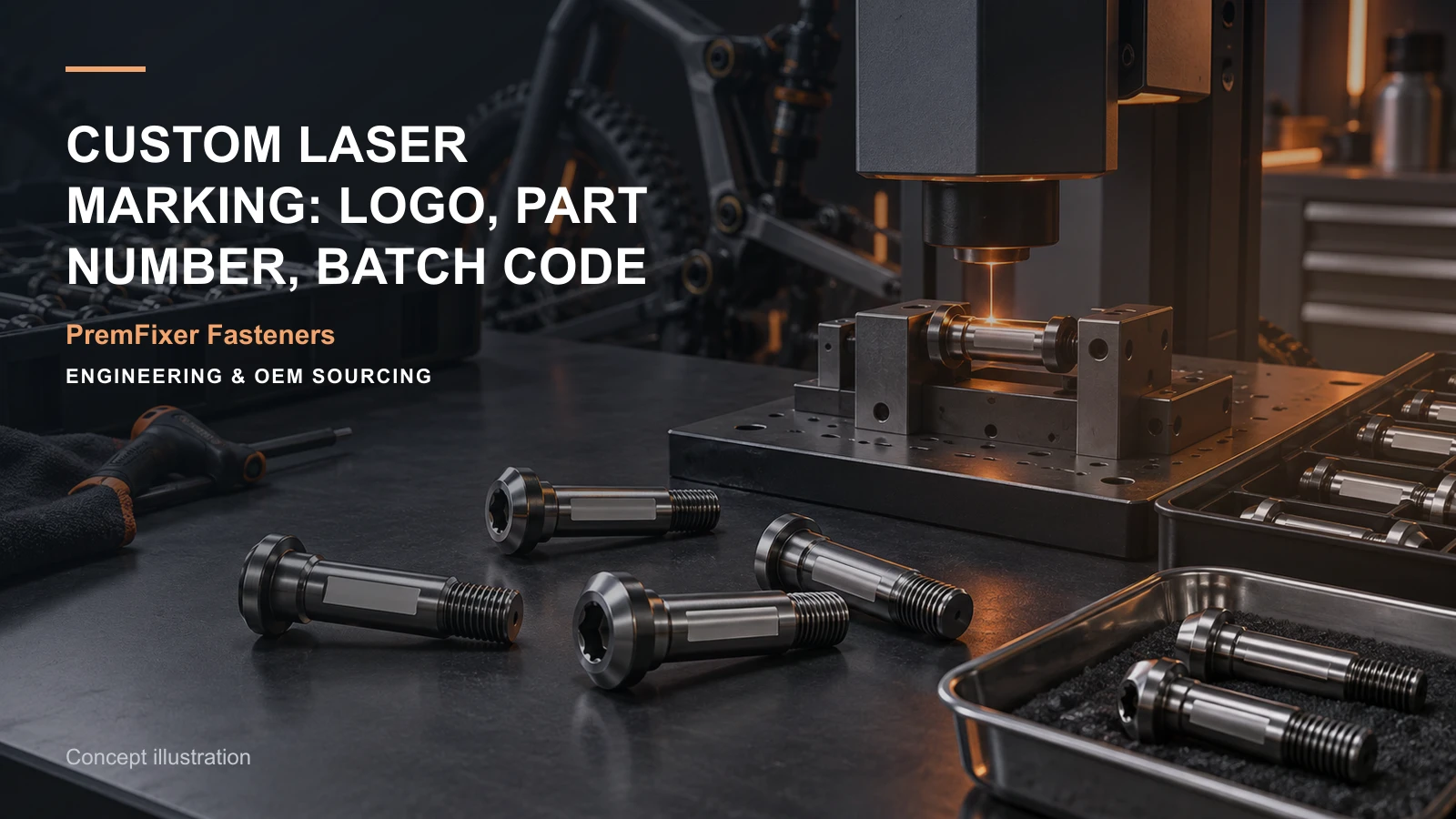
Laser marking a pivot bolt can identify a brand, distinguish a service part or link a batch to production records, but those are three different information tasks. Put the mark on a surface that remains readable after assembly and service without cutting into a bearing seat, thread, under-head clamp face or highly stressed transition. The required content, available area, substrate and finish determine the marking method and acceptance check. A logo does not provide lot traceability, and a code on the part has little value if no record maps it to the correct drawing revision. Define the identity system before approving the artwork.
Separate branding, part identity and lot identity
A logo communicates ownership or private-label presentation. A part number distinguishes geometry and revision for assembly or service. A lot code links a physical item to production and delivery records if the supplier and OEM agree on the mapping. Decide which of these the application actually needs; a small head may not carry all three legibly.
If the package already carries lot identity, determine whether part-level marking is still required. The location of information should match the receiving and service workflow.
Choose a nonfunctional mark zone
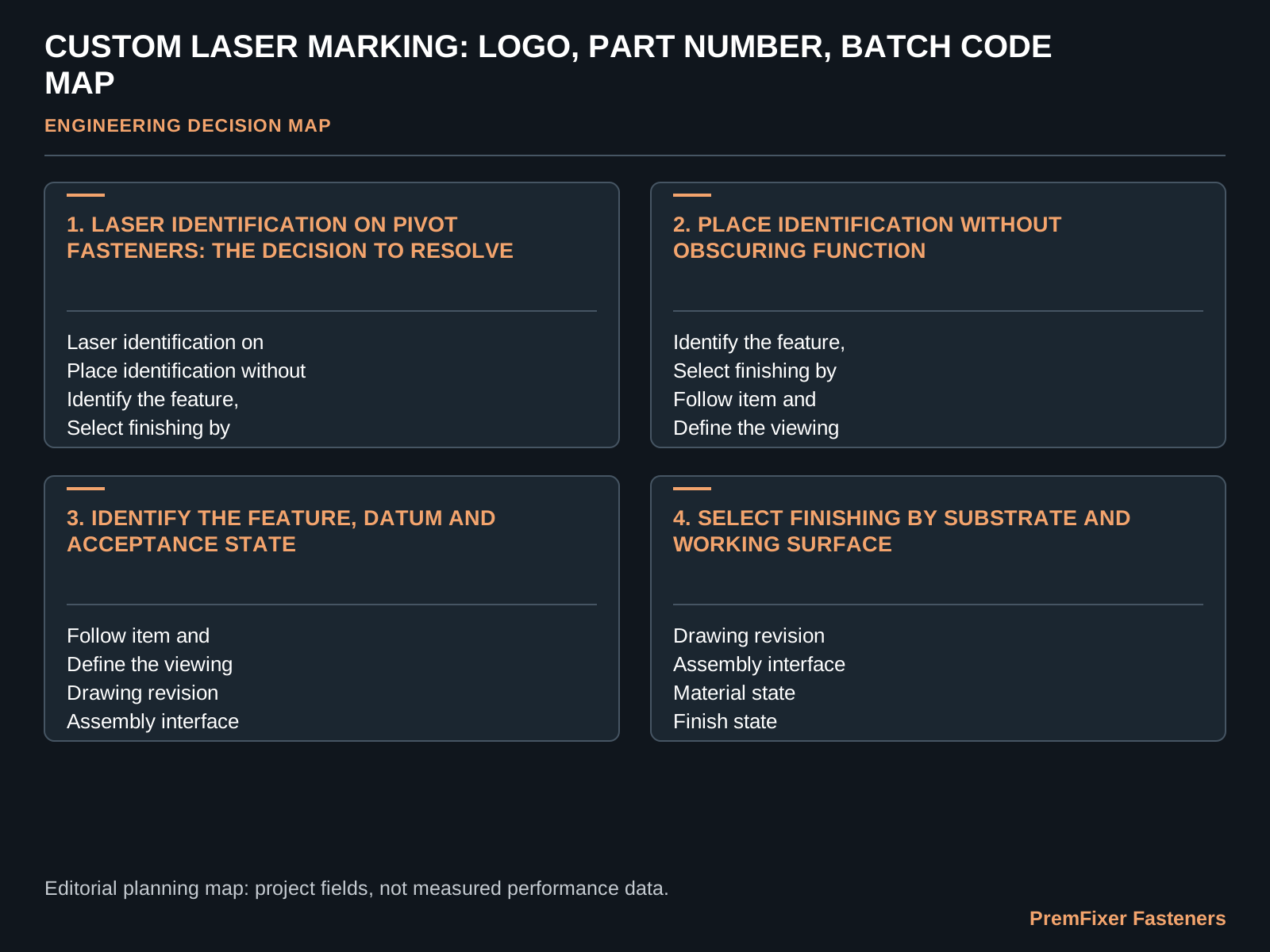
Use the assembly model to find a surface visible during the intended check. Avoid bearing seats, sleeve contact, threads, critical radii and clamp faces unless the design owner specifically evaluates the effect. A laser can change the surface through material removal or heating depending on process settings; the marked zone should be reviewed for the substrate and corrosion or fatigue duty.
Reserve a blank marking area on the drawing and dimension its orientation from a useful datum. A decorative mark hidden after installation may be useful for packaging review but not for service identification.
Laser process considerations · Finish options
| Information goal | Marking choice | Risk | Check |
|---|---|---|---|
| Brand recognition | Logo on approved visible zone | Mark weakens or obscures functional face | Artwork sample and location review |
| Service identification | Part number and revision | Two similar variants confused | Readability on installed or removed part |
| Lot traceability | Code linked to controlled record | Code exists without usable mapping | Record retrieval check |
| Small or finished surface | Process and sequence trial | Poor contrast or finish damage | Representative post-finish sample |
Define artwork and readability
Provide the approved vector artwork, characters, orientation, minimum readable size and contrast expectation for the actual finished part. A digital mockup is not evidence of legibility on a curved or textured head. Test a representative sample under the receiving or service lighting condition.
Clarify whether the mark is applied before or after finishing. A later surface process can change contrast; a mark applied through a finish can alter the exposed substrate.
Illustrative engineering example: assume a frame program has two visually similar pivot bolts with different shoulder lengths. The OEM first reserves a flat noncontact head area for a short part identifier, while the package carries the full lot code. A representative finished sample is checked for legibility with the intended service tool nearby. The production record would need to map each identifier to the drawing revision. No real marking durability result is claimed.
Connect the code to records
If lot traceability is required, define how the mark maps to part number, revision, quantity, manufacturing lot and delivery documents. Decide whether every bolt, package or kit needs a code. A stable code format prevents a part number from being confused with a batch identifier.
Keep the data retention and inspection scope in the order requirements. Do not advertise universal traceability merely because a sample has a laser mark.
Quote the marked part as a finished condition
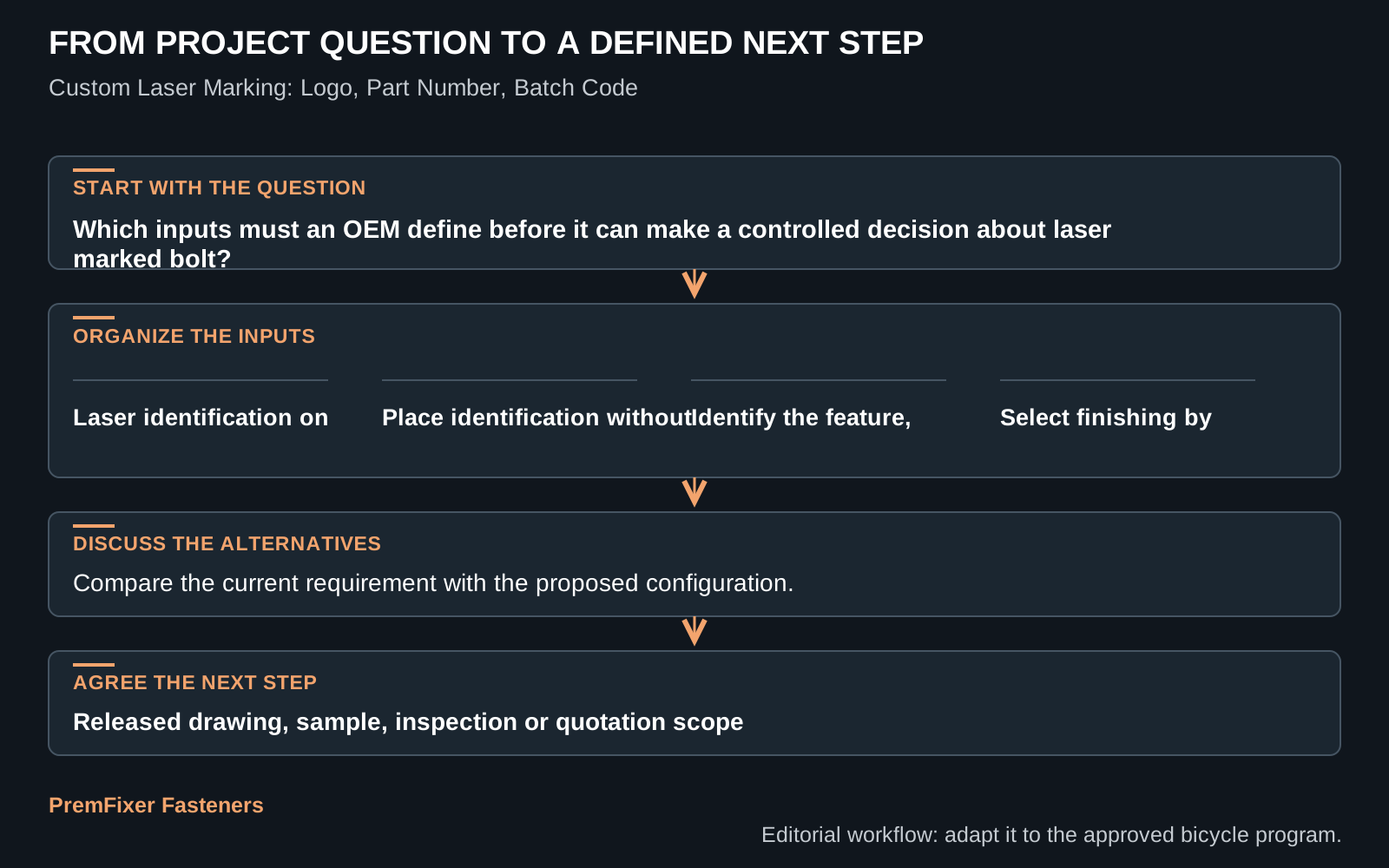
PremFixer Fasteners can review marking requirements within a drawing-led manufacturing route and coordinate partner operations where specified. The quote needs the base part, finish state, artwork, mark zone, content logic and sample approval method.
Send the drawing and STEP model, requested identity fields, artwork file, substrate, finish and quantities. State whether the visible requirement is branding, service identification or lot traceability so the proposed process solves the right problem.
Questions buyers need to resolve
Is a logo enough for traceability?
No. A logo does not identify part revision or production lot. Specify a part number or lot code and the record system that explains it if those controls are required.
Can the bearing seat be laser-marked?
Avoid it by default because marking can alter a working surface. If unavoidable, the OEM must assess the seat's fit, contact and stress duty and approve a process-specific check.
Should the mark be applied before or after finishing?
Choose based on substrate, treatment and required appearance. Trial the actual sequence because finishing can alter contrast and post-finish marking can expose or modify the surface.
How should two similar service bolts be distinguished?
Use a controlled part identifier tied to revision and packaging. Verify that the mark or package remains readable at the point where the mechanic selects the part.
What files are needed for a marking RFQ?
Send the bolt drawing and STEP file, substrate and finish, approved vector artwork, mark zone, text or code logic, quantities and readability method. State whether identity must be on each bolt or only on packaging.
Define the Mark and Its Record
Send the pivot drawing, finished material condition, artwork, required identifiers, mark zone and quantities. PremFixer can review process feasibility, sample appearance and the record linkage needed for the requested identity.
Discuss the drawing and BOM