
A proprietary bicycle frame can require a pivot bolt with a unique shoulder, head envelope, spacer stack or retention arrangement. The OEM should specify those interfaces and control the drawing revision before a supplier makes samples. Confidential file handling matters, but an NDA alone does not define fit or grant the manufacturer authority to change the design. State which team owns the product specification, who can propose manufacturing changes and who approves them. For procurement, the practical outcome is a quote tied to a named assembly and file revision, with a clear sample objective and a service-part strategy for the frame platform.
Define the proprietary interface without assuming a universal fit
Identify the frame tab width, bearing or bushing, sleeve, link clearance, head access and retention method. Two frames can share a nominal thread yet require different shoulder spans or spacers. A photo or removed bolt may help an initial discussion but cannot prove cross-model compatibility.
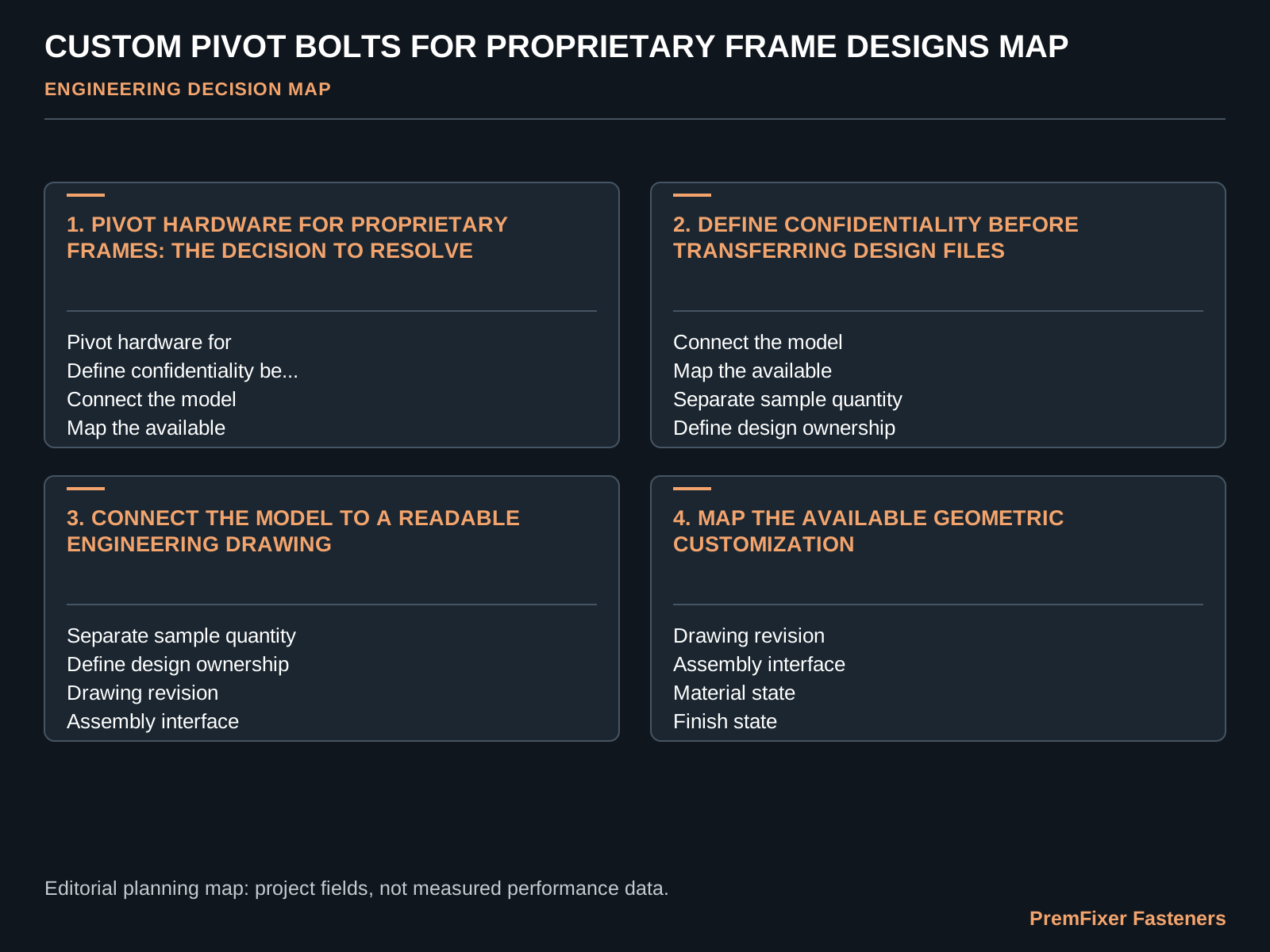
The drawing should state the controlling datums, tolerances, material and finish. A STEP assembly helps reveal access and clashes; it should be paired with the specification that governs acceptance.
Agree on secure CAD and sample handling
Before transferring unreleased frame geometry, agree which files the manufacturer needs, who may access them and how superseded versions are withdrawn. Use a controlled file list rather than sending a mixed archive of old CAD. An NDA can address disclosure obligations, while a separate project agreement should address permitted use, tooling and design ownership.
If only a removed sample exists, identify dimensions that can be measured and functions that remain unknown. Reverse-engineering a shape is not the same as validating the original joint design.
Arrange a controlled drawing review
| Situation | Controlled choice | Risk | Check |
|---|---|---|---|
| Unreleased frame CAD | Limit files and access to project need | Obsolete or uncontrolled design spread | File list and revision receipt |
| Supplier suggests geometry change | OEM approves a marked proposal | Manufacturability change affects function | Assembly and design review |
| Sample made from removed part | Treat unknown function as open | Copying wear or damage | Measure mating frame and bearing |
| Service variants resemble each other | Revision-specific identity | Wrong replacement installed | Frame and kit compatibility matrix |
Keep design approval distinct from manufacturability advice
A supplier may suggest a radius, tool-access change or finish allowance to make a part feasible. That suggestion should be compared with the OEM's load path and assembly before it becomes a released revision. The supplier's ability to machine a geometry does not establish its fatigue or service suitability.
Record the accepted drawing and model revision in the sample order. If an alternative geometry is supplied for comparison, label it as a proposal rather than blending it into the approved design.
Illustrative engineering example: assume a frame brand has two linkage revisions with the same visible bolt head but different sleeve lengths. A manufacturer receives the latest bolt drawing without the assembly model. The OEM adds a revision matrix and the two sleeve drawings before sample work. The supplier can then quote the bolt and service kit separately and mark a proposed machining change for approval. The example does not claim a real customer relationship or test result.
Plan variants and replacement hardware
A proprietary frame may need service stock long after its first production run. Define whether the bolt is common across sizes and years, and distinguish variants that look similar but use different spacers or threads. A revision matrix can prevent a mechanic or distributor from selecting the wrong kit.
Packaging identification and replacement access should reflect the approved frame interface. Proprietary does not mean every fastener must be a sealed or non-interchangeable set.
Single bolt or kit scope · Full-suspension context
Request a quote against one released scope
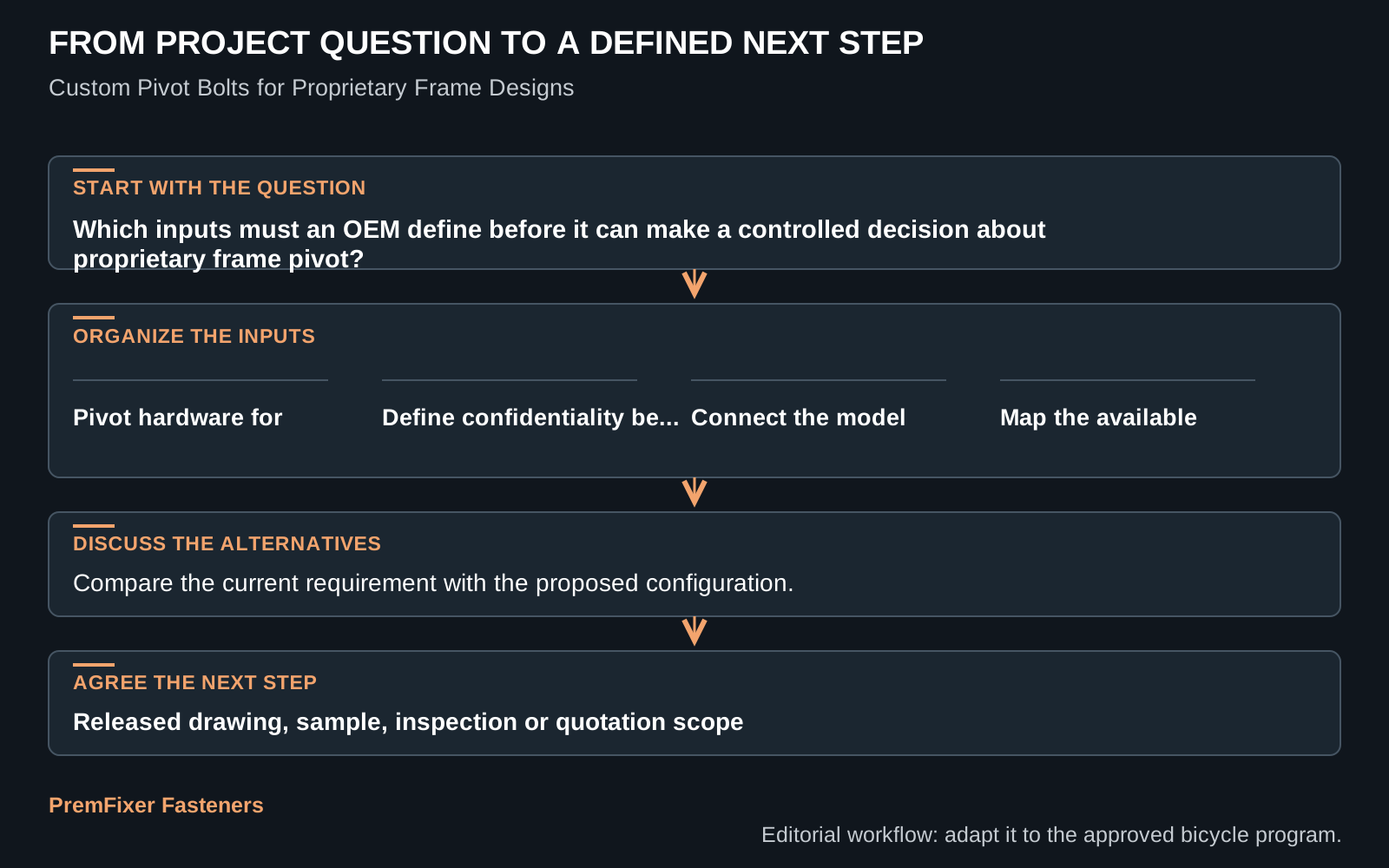
PremFixer Fasteners can manufacture from customer drawings or samples and review process feasibility within a defined project scope. The OEM remains responsible for approving design changes and platform compatibility. Quote requests should separate prototype quantity, repeat volume, partner finish or testing needs, and service spares.
Provide the current drawing, STEP assembly, sample if permitted, material and finish specification, quantities, revision matrix and any file-handling restrictions. The first review can then identify missing interface data before cutting a sample.
Questions buyers need to resolve
Does an NDA define who owns the pivot design?
No. Confidentiality controls disclosure; design ownership, use rights, tooling and change approval require their own agreed terms. Identify the controlling drawings and approval authority in the project scope.
Can a supplier change a proprietary shoulder to ease machining?
It can propose a change, but the OEM should approve any effect on fit, load path or service compatibility. Keep the suggestion separate from the released revision until reviewed.
Can a worn sample replace a drawing?
It may start a feasibility discussion, but wear obscures original dimensions and function. Supply mating parts, assembly context and acceptance criteria before treating the reconstructed geometry as production-ready.
Will one bolt fit every frame revision?
Only if the OEM checks the same bearing, tab, sleeve, thread and clearance interfaces for each revision. Use a compatibility matrix instead of assuming identical heads mean identical fit.
What belongs in a confidential pivot RFQ?
Provide the authorized drawing and STEP revision, mating assembly, material and finish, sample and volume needs, service variants and agreed file-handling limits. Name the team that approves changes.
Review a Proprietary Pivot Scope
Share the authorized drawing and STEP revision, mating interface, expected volume and any sample or confidentiality requirements. PremFixer can review manufacturability and identify the design questions that need OEM approval.
Discuss the drawing and BOM