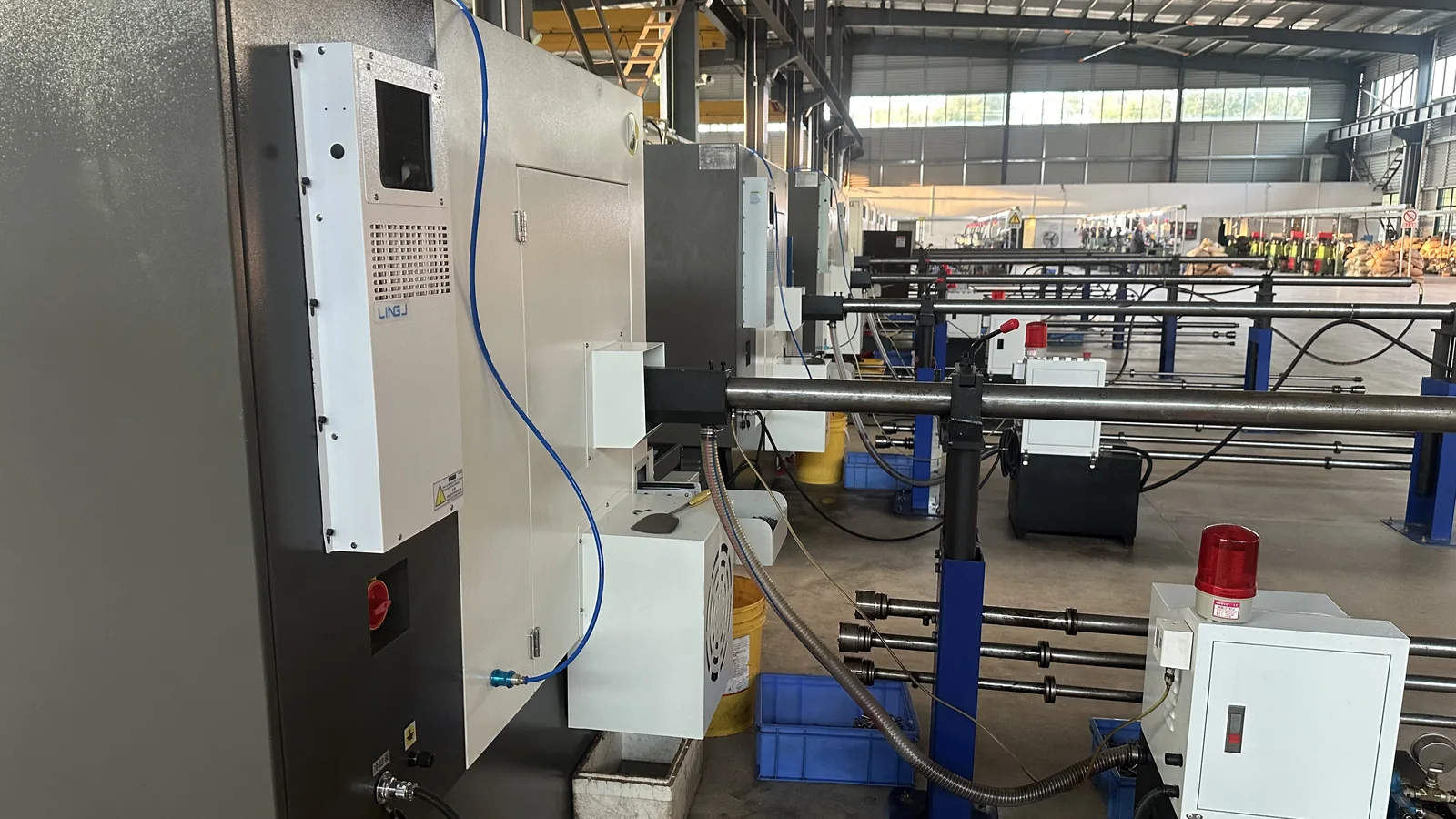
## ボルトを作成する方法は 1 つだけではありません 自転車ハードウェアは、M5 ネジの大量冷間圧造から、サスペンション ピボットの少量 5 軸 CNC 加工まで、幅広い製造プロセスに及びます。プロセスの選択は、単価だけでなく、材料粒子の構造、疲労寿命、寸法性能、および最小注文数量にも影響します。このガイドでは、PremFixer で使用される 4 つの主要な製造プロセス、それぞれが意味をなす場合、および RFQ で何を指定するかについて説明します。
## プロセス比較マトリックス |プロセス |強さ |精度 |表面 |工具コスト | MOQ |サイクルタイム | |---|---|---|---|---|---|---| |冷間鍛造 |非常に高い |中 |良い |高 | 5,000以上 |速い | |温間鍛造 |高 |中~高 |良い |中~高 | 1,000以上 |中 | |熱間鍛造 |中~高 |中 |フェア |中 | 500+ |遅い | | CNC加工 |中 |非常に高い |素晴らしい |低い | 1+ |遅い |
## Cold Forging (Cold Heading)
Cold forging deforms metal at room temperature using high-pressure dies. The material flows plastically into the die cavity, producing work hardening that increases strength beyond the base material.
### How It Works
A wire coil is cut into blanks, then struck at high speed in a multi-station progressive die. Each station forms a different feature: head, shank, thread blank, under-head radius. The final station trims to length.
### When to Use Cold Forging
- High-volume standard fasteners (M5–M12 screws, bolts, nuts)
- Parts where work hardening improves the mechanical properties
- Budget-sensitive programs where tooling amortization is spread over large volumes
- PS-A standard fasteners, PS-E weld nuts in high volume
### Grain Structure Advantage
Cold forging maintains and aligns the original grain flow of the wire with the part geometry. This produces higher fatigue strength in the bolt head-to-shank transition zone compared to a machined bolt where grain flow is cut by the tool path.
### Limitations
- Limited to simpler geometries (axisymmetric parts)
- High initial tooling investment
- Not suitable for aluminum alloys with poor cold formability
- Cannot achieve the tightest tolerances without secondary machining
## Warm Forging
Warm forging heats the billet to 200–400°C—below the recrystallization temperature. This reduces forming pressure while retaining most of the grain refinement benefits of cold forging.
### How It Works
Aluminum or steel billets are induction heated to the warm forming range, then pressed in closed dies. Post-forge CNC machining achieves final tolerances on critical interfaces.
### When to Use Warm Forging
- Medium-volume e-bike motor mounts (PS-R series)
- Aluminum structural brackets with complex 3D geometry
- Parts requiring grain flow alignment with load direction
- Where surface finish matters but post-machining is acceptable
### The PS-R Example
PS-R motor mounts are warm forged from 6061-T6 aluminum billet. Warm forging aligns grain flow with the motor torque reaction path, producing fatigue strength 15–25% higher than the equivalent CNC-only part from billet. Post-forge CNC finishing achieves the tight interface tolerances for motor alignment.
### Grain Structure Advantage
Warm forging produces a finer, more uniform grain structure than hot forging while avoiding the cracking risk that can occur with cold forging of aluminum. The aligned grain flow follows the part's load path, improving fatigue performance at the most critical stress concentrations.
## Hot Forging
Hot forging heats the billet above the recrystallization temperature (typically 350–500°C for aluminum, 1100–1250°C for steel). The material is fully plastic, allowing very large deformation with relatively low forces.
### How It Works
Material is furnace heated, then forged in a hydraulic or mechanical press. Hot forged parts cool in air or controlled-cooling fixtures.
### When to Use Hot Forging
- Large deformation parts (PS-K derailleur hangers from thick aluminum billet)
- Parts requiring significant shape change between billet and final geometry
- Where tooling forces would be prohibitive for cold or warm forging
### The PS-K Example
PS-K derailleur hangers are hot forged from 6061-T6 aluminum. A derailleur hanger serves as a sacrificial failure point—it must absorb impact energy and break before the frame or derailleur does. Hot forging produces higher elongation at break and better crack resistance than CNC-machined hangers from plate.
### Trade-Offs
- Lower precision than cold or warm forging; secondary machining required
- Surface oxidation (scale) requires cleaning or machining
- Grain growth at high temperature may reduce strength slightly vs warm forging
- Higher energy consumption
## CNC Machining
CNC machining is the subtractive opposite of forging—it removes material from a billet or bar stock rather than deforming it.
### How It Works
A solid billet of aluminum, steel, or titanium is fixtured in a 3-axis or 5-axis CNC mill. Cutting tools progressively remove material to achieve the final geometry. Multi-axis machines can produce complex geometries in a single setup.
### When to Use CNC Machining
- Prototype and low-volume production (1–500 pieces)
- Complex geometries that cannot be forged (asymmetric, deep pockets, internal threads)
- Parts requiring the highest dimensional precision (suspension pivots, bearing bores)
- Materials that are difficult to forge (titanium, 17-4PH)
- Where surface finish is critical and cannot be achieved through forging alone
### The Grain Structure Disadvantage
CNC machining cuts across the material grain structure rather than flowing with it. This creates stress concentration points where the cut ends of grains are exposed to cyclic loading. For fatigue-critical parts, a forged blank + CNC finish provides the best combination of grain flow and precision.
### The Speed Advantage
For prototypes and small batches, CNC machining requires no tooling investment. A single part can be machined from a STEP file within 24–72 hours. This makes CNC the preferred process for RFQ samples and design verification before committing to forging tooling.
##決定フローチャート 1. **生産量は 5,000 個/年以上ですか?** → 冷間鍛造 (ファスナー) または温間鍛造 (構造) を検討します。 2. **生産量は 500 ~ 5,000 個/年ですか?** → 温間鍛造 + CNC 仕上げを検討します。 3. **生産量は 500 個/年未満ですか?** → CNC 加工が最も経済的です。 4. **形状は複雑ですか。 (非軸対称)?** → 温間鍛造 + CNC または CNC のみ 5. **部品は疲労が重要ですか?** → 鍛造ブランク + CNC 仕上げ (結晶粒流れが重要) 6. **材料は鍛造が難しいですか (チタン、17-4PH)?** → CNC 機械加工
## PremFixer に適切なプロセスを推奨させます ターゲット ボリューム、マテリアル、およびアプリケーション コンテキストを含む 2D 図面または STEP ファイルを送信します。弊社のengineeringチームが最適な製造プロセスを推奨し、24時間以内にお見積りを提出します。
プロセス推奨事項を入手
## 関連ナレッジ - [自転車ボルトの 42CrMo とステンレス鋼](/knowledge/42crmo-vs-stainless-bike-bolts) - 表面処理ガイド (近日公開予定) - ISO 898-1 ファスナー規格 (近日公開予定) ## 関連シリーズ - [PS-K ドロップアウト & ディレイラー ハンガー](/products/ps-k-dropouts-hangers) - [PS-R]電動自転車モーター マウント](/products/ps-r-motor-mounts) - [PS-D サスペンション ピボット & リンケージ ボルト](/products/ps-d-suspension-pivots-linkage-bolts) - [PS-A 標準ファスナー](/products#prod-grid)