
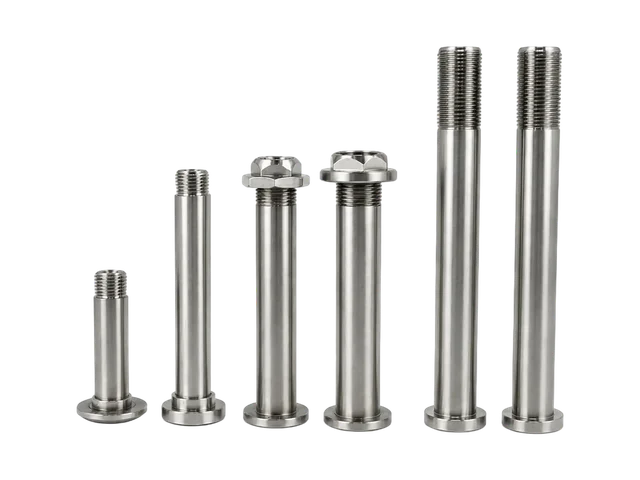
Pivot & Linkage Hardware
Pivot bolts, shafts and locking parts. Define shoulder position, mating threads and installation location.
Bicycle OEM Hardware
We manufacture custom fasteners and precision turned components for bicycle OEM projects, supplying model-specific hardware sets to approved drawings and BOMs. From prototype quantities to repeat orders, we define the requested parts, drawing revisions and per-bike quantities around your project.
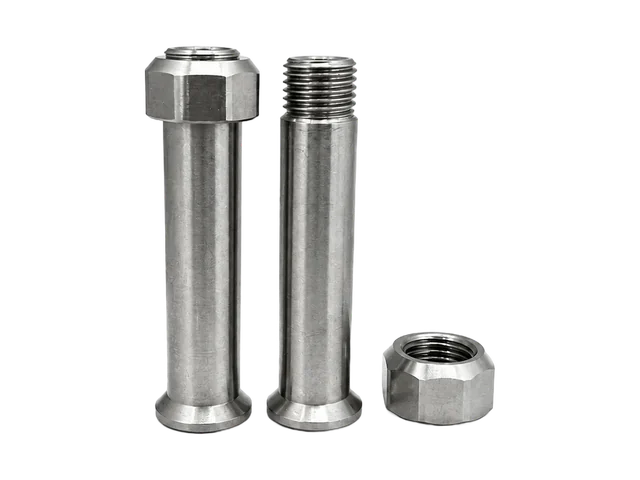
Custom Fasteners Precision Turned Parts Model-Specific Hardware Sets
Start with the components your project needs. A manufacturing scope can cover one drawing, a subassembly or a defined group of fasteners and turned parts.
Pivot bolts, shafts and locking parts. Define shoulder position, mating threads and installation location.
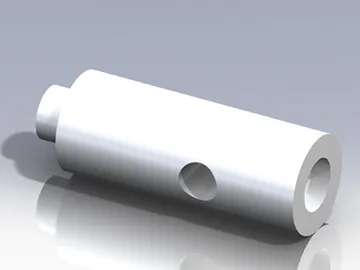
Stepped and locating geometry. Confirm fit diameters, retention features and available assembly space.
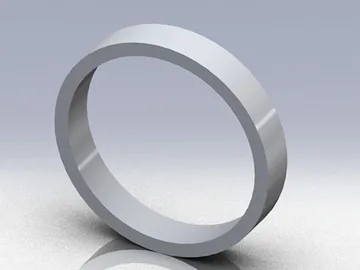
Bores, end faces and contact surfaces. Specify the finished spacing within the assembly stack.
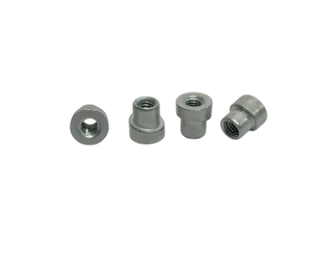
Weld nuts and threaded inserts. Identify the host material, attachment method and mating interface.
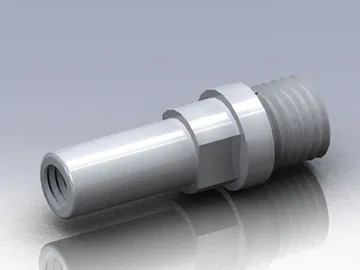
Hinge shafts, locking and mounting parts. Share mating drawings and retention requirements. E-bike mounting scope.
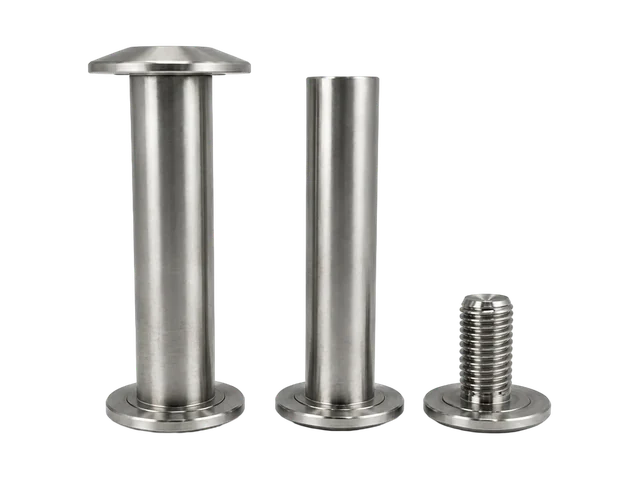
Agreed bolts, shafts, sleeves and spacers. Connect each item to a revision, per-bike quantity and supply responsibility.
PS-P02, PS-P04 and PS-H03 images are technical renderings. Product references illustrate geometry; your approved drawings define the new project.
Compare the features that matter to your assembly, then connect them to a part number and drawing.
A matched hardware group may include a flanged sleeve, a mating sleeve and a threaded locking part. Each component needs its own identity and an agreed quantity. The mating geometry and finished requirements come from the approved assembly and part drawings. For your project, identify which pieces are requested and whether samples should be assessed individually or as a paired group.
Explore the full-suspension reference ↗Similar-looking bolts can have different shoulder lengths, thread positions and installation locations. Give each requested version its customer part number, drawing revision and quantity per bike. Colour or an estimated length in a photograph cannot identify an interchangeable part. When several configurations share a bolt, show that approved relationship in the BOM so purchasing can combine quantities without losing the configuration reference.
Explore custom fastener manufacturing ↗ View original drawing ↗
The PS-P04 reference combines stepped diameters, shoulders, threads and wrench flats. Review these features together: a shoulder locates a mating part, while a flat provides tool access at a particular assembly position. The part drawing defines the geometry; the assembly reference explains its relationship to neighbouring parts. For a new model, identify the finished fits and the features requiring a sample check.
Open the PS-P04 product record ↗ View original drawing ↗
The PS-H03 spacer reference shows why a ring-shaped part still needs a complete drawing identity. Bore, thickness and contact faces establish its place in the stack. Confirm which dimensions apply after surface treatment and which mating parts are used for evaluation. A change in spacer thickness should be reviewed against the relevant assembly and configuration, rather than accepted from a visual comparison alone.
Open the PS-H03 product record ↗From a model to individual parts
A model-specific hardware set is defined by its approved part list. Every item connects a drawing revision to a quantity and an agreed manufacturing scope.
Illustrative BOM Structure — Not a Customer Order or a Production Specification
Scroll horizontally to view all BOM fields.
| Example Part No. | Drawing Rev. | Component | Qty per Bike | Finish Reference | Supply Scope |
|---|---|---|---|---|---|
| EX-101 | A | Pivot axle | 1 | Approved drawing | Manufacture |
| EX-102 | B | Mating sleeve | 2 | Approved drawing | Manufacture |
| EX-103 | A | Locking component | 1 | Approved drawing | Manufacture |
| EX-104 | C | Spacer | 2 | Approved drawing | Manufacture |
Identify the model or platform, configuration, BOM revision and every part drawing revision. State the number of bikes or sets ordered, per-bike usage, sample quantities and separately required spares. Confirm both the purchasing unit and the factory’s delivery unit.
A common part can serve several approved configurations. Total its required quantities across those configurations and list additional spares separately, without assuming a spare percentage. This example table does not describe the pictured product groups.
Required quantity for a part = approved per-bike quantities across the ordered configurations + separately agreed spare quantities.
Configuration A and Configuration B may use different lengths or quantities. Shared parts need an approved common reference. A revision release identifies affected configurations and production batches; sample, production and service requirements remain separately defined where needed.
Order one part number or selected components. Confirm the material, finished requirements and quantity for each drawing, with mating information where fit needs review.
Discuss Individual Parts ↗Provide an itemised BOM. Agree the contents, per-set quantities, manufacturing responsibilities and any purchased items that need sourcing confirmation.
Discuss a Model-Specific Hardware Set ↗Separate manufactured items, purchased components and customer-supplied or reference-only parts. Bearings or seals in a drawing are included only when agreed. Specify packing by part number, subassembly or kit; a set does not automatically mean one retail bag per bike.
Select the manufacturing route for each component’s geometry, material and quantity. These capabilities can be combined where appropriate.
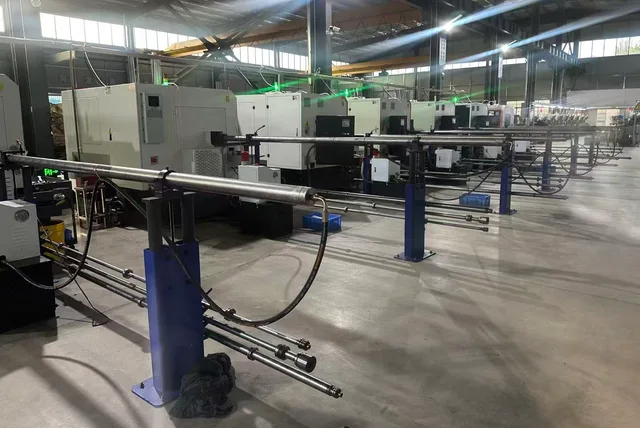

Core component manufacturing is supported by agreed partner operations for finishing, heat treatment and project-specific testing. The quotation identifies the required work and responsibilities for each part.
Different items in one model BOM can have different materials, finishes and acceptance requirements. Record these against each part number.
Agree checks for critical dimensions, threads and treatment-sensitive fits, together with the required inspection records and batch identification. A colour or material label does not replace a specification.
Share available drawings, sample information or a preliminary BOM and the project stage.
Outcome: needs and missing inputs identified.Confirm requested part numbers, quantities, materials and finished requirements.
Outcome: itemised quotation and supply scope.Supply authorised drawing and BOM revisions with the required sample quantities.
Outcome: manufacturing basis and sample scope.Review samples against agreed inspection and assembly evaluation requirements.
Outcome: approval or documented changes.Confirm approved revisions, batch quantities, labels and packing requirements.
Outcome: manufacture, inspect and deliver to order.Identify current revisions, new quantities and any affected mating parts.
Outcome: confirmed continuation or reapproval.The brand may approve and purchase directly, or authorise its frame or assembly factory to buy. Identify who approves the design, who places the order and where parts are delivered. Manufacturing review can suggest changes; the authorised design party approves them and the model-level application. PremFixer remains responsible for the agreed manufacturing and supply requirements.
For the first enquiry, identify the project reference, which organisation approves the drawing, who will place the order and the receiving country or factory when known. Missing commercial or engineering details can be clarified during the project discussion.
Model-specific hardware is a defined group of parts linked to a bicycle model or platform configuration. The approved drawings and BOM identify the parts, revisions, materials and quantities required for that configuration. Similar appearance does not establish interchangeability, and a hardware set includes only the items agreed for the project.
Yes. We manufacture individual drawing-defined fasteners and precision turned components, and we supply model-specific hardware sets within an agreed BOM scope. A project can include only selected part numbers. For a multi-part order, identify the mating components, quantity per bike and required delivery grouping so each item is included clearly in the quotation.
Send the drawings or BOM you currently have, together with the project stage and required quantities. Include material, finish and important acceptance requirements where available. For a hardware set, identify quantities per bike and any mating-part information. We can clarify missing inputs before a formal quotation or production approval is completed.
No. An initial enquiry can start with draft drawings, sample information or a preliminary BOM. Clearly identify the document status so discussion does not imply production approval. Before manufacture is released, the required drawing revisions, material and finish specifications, quantities and agreed acceptance requirements need to be confirmed through the project approval process.
Yes. The project can involve the brand, frame manufacturer or assembly factory. Please identify who approves the design, who places the order and which site receives the parts. Manufacturing and commercial scope should follow those agreed responsibilities. A factory enquiry does not automatically authorise changes to the brand’s drawing or nominated components.
Identify each configuration and its applicable BOM revision, then link every item to the correct part drawing. Parts may be shared across configurations only where the approved documentation allows it. A revision change should define which models or production batches it affects, rather than automatically treating every previous part as interchangeable with the new version.
Our capabilities include CNC turning, turn-mill machining, cold heading, thread rolling and tooling development. The route is selected for the particular geometry, material and quantity; a part does not necessarily require every process. Specified finishing, heat treatment and testing are coordinated according to the agreed project scope and actual manufacturing responsibilities.
Yes. Different components can have different drawing-defined materials and finishes. Record those requirements for each part rather than assigning a single material to the complete set. The specification should also identify relevant finished dimensions, mating surfaces and thread requirements, so a surface treatment or material change is not treated as an automatic substitute.
Yes. Prototype quantities and repeat production can be discussed for the project. State the quantity needed for each stage and whether samples require the same finish and packaging as production parts. Pricing, timing and any tooling requirements depend on the agreed scope. Later orders need a confirmed drawing and BOM revision, not only the previous kit name.
Only when those items have been specifically accepted within the supply scope. A bearing or seal shown in an assembly drawing may be a mating reference rather than a quoted item. The BOM should distinguish manufactured parts, purchased components requiring sourcing confirmation and customer-supplied items. This keeps responsibilities and the quoted contents clear.
Model-level or subassembly grouping can be specified as part of the order. Define the kit contents, quantities, applicable revisions, label information and packaging requirements. Parts may instead be supplied by part number where that better suits the customer’s assembly process. A model-specific supply agreement does not automatically mean individual retail bags or a particular packaging format.
The documentation package is agreed for the order and may include material records, dimensional inspection information, specified finish or test evidence, and batch identification. The ISO 9001 certificate is available for supplier assessment within its stated scope. Project documents define the actual part acceptance requirements; certification alone is not proof of compatibility or vehicle-level performance.
Start with the information you have
Share the model or project reference, the drawings or BOM you have, and your required quantities. Tell us whether you need individual components or a defined hardware set, and we will clarify the manufacturing and supply scope for your project.
Request a Project QuoteDraft documents are welcome for an initial enquiry. If an NDA is needed, let us know before sharing confidential files.
Use the drawing and BOM RFQ guide if you need help separating parts per bike, sample quantities, drawing revisions and reference-only components.