
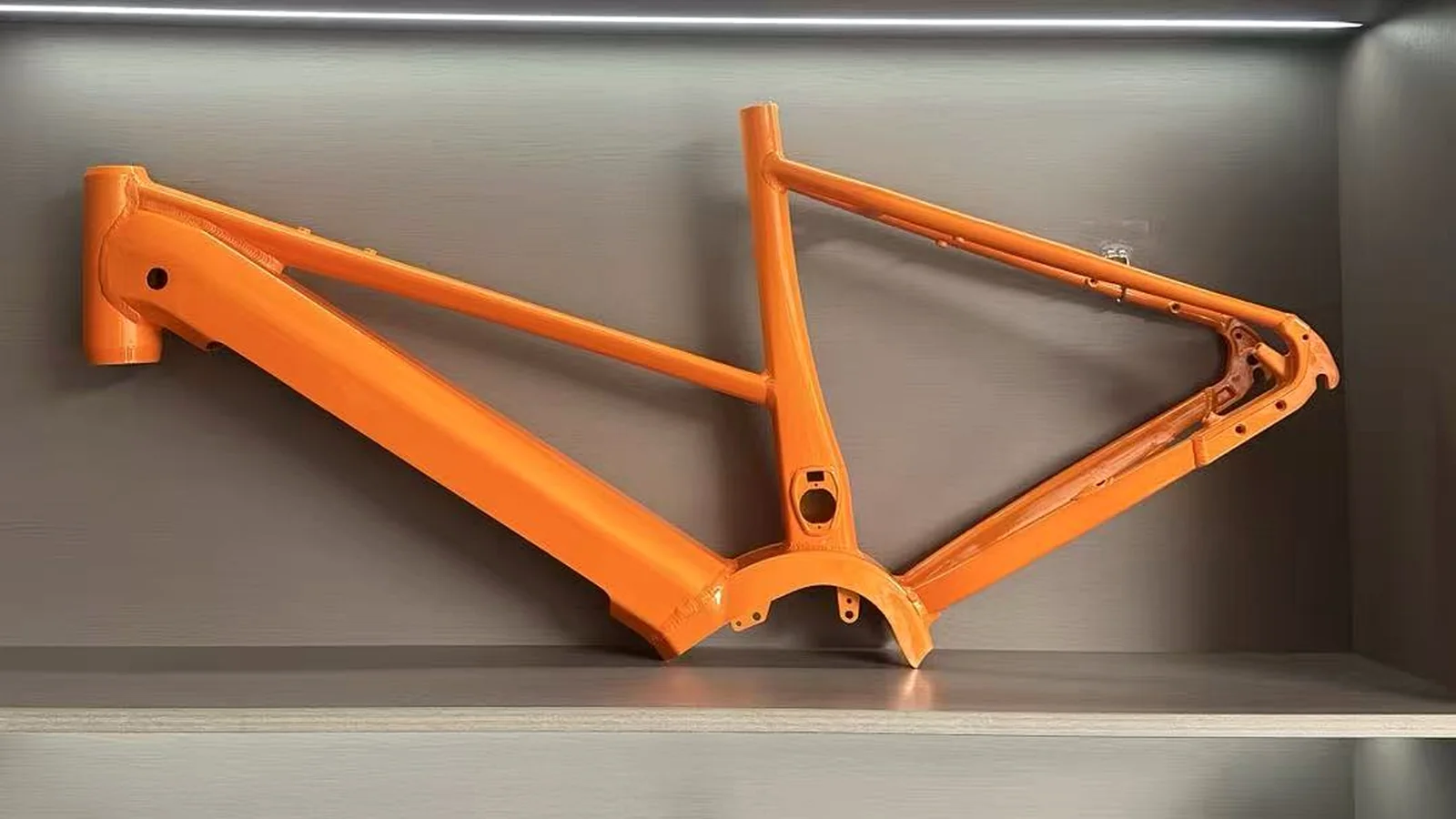
Shock mounting
Mounting axles, bolts, bushes and washers for the defined shock-to-frame connection; shock internals remain separate.
MTB OEM hardware programs
PremFixer manufactures custom fasteners and precision turned components for MTB OEM projects. Bring pivot hardware, derailleur hanger fixing components, chainring bolt-and-nut sets and other required fittings into one supply plan, built around your approved drawings, model configuration and BOM.
One project contact. Itemised scope. Model-specific supply.
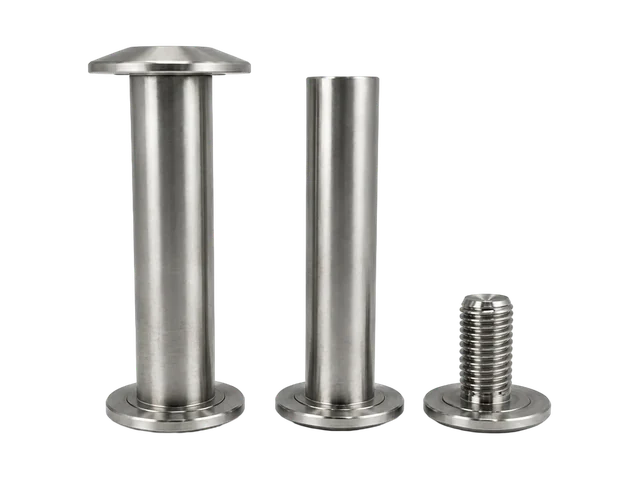 01 Pivot hardware
Separate manufacturing references. Your BOM defines the kit.
Scope by installation area
Start with the systems your mountain bike needs. Mark the hardware already supplied with the frame, crankset or other components, then identify the items to source.
 01 Pivots & linkage02 Shock mounting
Applies where the frame has rear suspension.
 04 Chainring mounting
Defined by the chainring and mating parts; not the bottom-bracket shell.
01 / Pivot hardware
A pivot kit can include bolts, axles, sleeves, spacers, nuts and retaining parts. We manufacture the agreed components and organise them by suspension location, drawing revision and quantity per bike.
Define each main pivot, linkage joint or shock mounting stack separately. Shoulder length, bearing and spacer contact, mating threads, installation side and tool clearance belong to the assembly definition. These photographs show representative groups; the complete kit contents follow your BOM.


Individual manufacturing references; pairing is defined by the approved assembly drawing.
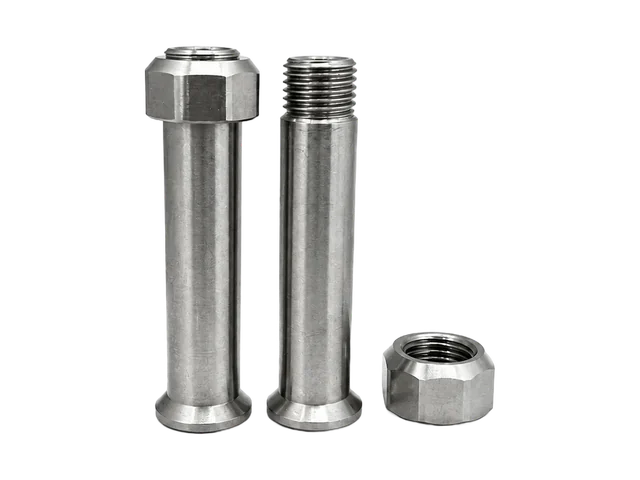
03 / Hanger fixing
We manufacture hanger fixing bolts and mating threaded nuts or sleeves for the specified retention arrangement. These parts secure the hanger to the frame; they are distinct from the derailleur’s own mounting bolt.
Head seats, clamped thickness and usable thread engagement must work together. Specify countersunk or flange contact, thread direction, anti-rotation features and tool access using the actual hanger and frame-interface drawings.
Full Mount replaces the hanger and uses a different retention arrangement. A general MTB or UDH label does not establish interchangeability. SRAM mounting reference ↗
04 / Drivetrain mounting
Chainring sets combine the specified bolt and mating nut or threaded barrel. We manufacture these parts to the mounting arrangement, seating geometry and required engagement in the approved assembly.
Send the chainring and spider or crank interface, including any guard or spacer in the clamped stack. Hole form, head seat, bolt length, barrel length and two-sided tool access define the combination. Quantities follow the actual model configuration.
Crank fixing bolts and direct-mount chainring interfaces are separate requirements. Direct mount does not necessarily use this bolt-and-nut arrangement. Direct-mount example ↗
Beyond the three core kits
For each group, identify the mating interface, drawing, quantity and purchasing owner. Component-maker-specified fasteners require the appropriate design approval before substitution.
Mounting axles, bolts, bushes and washers for the defined shock-to-frame connection; shock internals remain separate.
Drawing-controlled shafts, sleeves and retaining pieces. Confirm the wheel and dropout interface.
Shafts, axles & pins →Agreed mounting bosses and fasteners for the caliper or adaptor interface.
Brake mounting components →Clamping bolts and threaded parts for the seat assembly. Supply the mating clamp and contact geometry.
Threaded inserts, weld nuts and accessory fixings, separated by frame-stage or final-assembly supply.
Frame insert family →Fixings for routing guides and guards. List guide or guard bodies separately when needed.
Cable routing components →
 PS-P04 shaft drawing · Open original ↗
 PS-H03 spacer drawing · Open original ↗
Original shaft and spacer drawings illustrate individual component documentation, not a verified pairing or a model-specific kit.
Match the frame architecture
Pivots, linkage and shock mounting join the other hardware systems. Joint count and dimensions follow the frame design.
Full-suspension scope →Hanger fixing, drivetrain mounting, inserts and other assembly items; no rear-suspension pivot kit.
Hardtail programs →Start with the actual hardtail or full-suspension architecture, then add agreed external motor, cover and housing fixings.
Motor mounting scope →XC, Trail, Enduro and DH describe use conditions, not dimensions or material grades. An e-MTB label alone does not define tightening torque.
One project / itemised supply
Each component keeps its part number, revision, material and quantity. The quotation brings multiple systems together and identifies what PremFixer manufactures, what requires sourcing confirmation and what another supplier provides.
Model / Platform / Configuration / BOM Revision / Build Quantity / Prototype Quantity / Delivery Site
Illustrative BOM format — not a customer order or a production specification.
Scroll horizontally to view every BOM column.
| Example Part ID | System | Part | Drawing Rev. | Qty per Bike | Paired Item | Requested Supply |
|---|---|---|---|---|---|---|
| EX-P01 | Pivot | Main pivot axle | A | Per approved BOM | EX-P02 | Manufacture |
| EX-P02 | Pivot | Locking component | B | Per approved BOM | EX-P01 | Manufacture |
| EX-H01 | Hanger | Fixing bolt | A | Per approved BOM | EX-H02 | Manufacture |
| EX-H02 | Hanger | Mating threaded part | A | Per approved BOM | EX-H01 | Manufacture |
| EX-C01 | Chainring | Chainring bolt | C | Per approved BOM | EX-C02 | Manufacture |
| EX-C02 | Chainring | Chainring nut | C | Per approved BOM | EX-C01 | Manufacture |
| REF-B01 | Pivot | Bearing reference | Reference | Per assembly | EX-P01 | Reference only; not quoted |
Define piece, pair, set and kit units. Keep build quantities, prototypes and extra spares separate. Do not quote the same bolt and nut both as individual lines and again as a pair.
Add material condition, finish, acceptance records, packaging group and total quantity. Consolidate shared parts across configurations only when the approved part and revision match.
Mark frame-stage parts, frame subassemblies, final-assembly purchases, component-supplier items, customer-supplied items and mating references. Hanger bodies, chainrings, bearings and seals are included only where the order says so.
Separate tooling, finishing, inspection documents, packing and delivery groups in the quotation. Name the design approver, buyer, assembly site and receiving site.
From component features to production
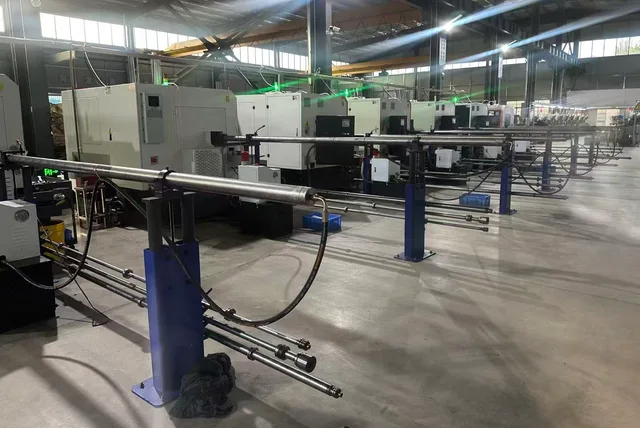

CNC turning produces shafts, sleeves, shoulders, end faces, bores and suitable threaded features. Turn-mill machining adds cross-holes, flats and slots to rotational components. Cold heading and tooling suit appropriate materials, shapes and production quantities; thread rolling applies to suitable external threads.
Our core manufacturing is coordinated with project-specific finishing, heat treatment or specialist testing where partners are required. The quotation and control plan identify responsibilities and acceptance evidence.
Options include 304/316 stainless steel, 6061/7075 aluminium, titanium such as Ti-6Al-4V/TC4, and project-specified steels. Record grade, condition, finish and finished requirements for each part. These are material choices, not universal upgrades for every mounting location.
Inspection follows the released drawings: threads, shoulder or barrel lengths, contact faces, fit after finishing and edge condition. Agree sample checks and records before production. Similar appearance does not establish interchangeability, and a dimensional check does not replace assembly or vehicle validation.
Identify who approves design changes, who accepts samples and who validates the assembly. Revised mating parts must be considered together.
 Open original certificate ↗
Quality management
The original certificate names Guangdong Pinshang Hardware Products Co., Ltd. and covers production of hardware screws and nuts. It concerns the quality management system within that scope; model fit and product acceptance follow the project requirements.
View certificate details →Samples through repeat supply
Prototype quantities, tooling, production timing and delivery groups are agreed for the actual scope. Model-specific supply does not automatically mean one retail bag per bike. Labels distinguish similar lengths and revisions; colour can assist identification but does not replace the part number.
Before you send a BOM
A project can include pivot hardware, hanger fixing components, chainring bolts and nuts, and other agreed frame or assembly fasteners. The approved BOM defines the actual items, materials, quantities and revisions. Parts already supplied with a frame, crankset or other component should be identified so the quotation covers the hardware you need rather than duplicating another supplier’s scope.
No. A pivot kit covers the specified suspension joints and their agreed bolts, axles, sleeves, spacers or locking components. A broader MTB hardware program may also cover hanger fixing, chainring mounting and other assembly areas. The description of a kit should always resolve to an itemised part list, not just a product photograph or a generic kit name.
Yes. We manufacture drawing-defined hanger fixing bolts and mating threaded components. Send the hanger and frame-interface information together with the fastener drawings where available. Seating geometry, clamped thickness, thread specification and access determine the intended pair. Existing catalogue examples provide manufacturing references; they are not evidence that any two similarly named components are interchangeable.
No. Hanger retention arrangements differ, and a UDH-compatible frame interface does not make every fixing component interchangeable. Full Mount is a separate mounting arrangement that replaces the hanger. Identify the actual design and applicable component requirements before defining the supply scope. Compatibility is established through the approved project information, not a general MTB or UDH label.
Yes. We manufacture the specified chainring fasteners and mating nuts to the agreed drawings. Include the mounting interface, clamped stack and any guard or spacer that affects the required combination. Bolt length, nut or barrel geometry and usable engagement should be defined together. Crank fixing bolts and direct-mount chainring interfaces are separate requirements rather than automatic substitutes.
Yes. The quotation can bring several hardware systems into one project while keeping each item’s identity and quantity clear. Mark which items are requested from PremFixer, which are supplied by another component partner and which appear only as mating references. A one-stop project still needs line-by-line scope, material, finish and revision information.
No. A hardtail does not require the rear-suspension pivot kit used by a full-suspension frame. Other hardware may also vary with the frame, drivetrain and assembly configuration. We organise supply around the approved model BOM. Shared part numbers can be consolidated only when the documentation confirms that the same component and revision apply across the relevant models.
These material families can be specified within the agreed manufacturing scope. Define the grade, condition, finish and finished requirements for each part. A material used in one location is not automatically suitable for another, and a different metal is not automatically an approved upgrade. Material changes should follow the project’s design approval and acceptance requirements.
Yes. Prototype quantities, small batches and repeat production can be discussed for the project. State the quantity by part number and identify whether samples require the production finish and packing. Timing, tooling and manufacturing arrangements depend on the actual scope. Approval should distinguish individual part checks from the customer’s assessment of the relevant assembly or model.
These grouping requirements can be specified and agreed with the order. Define the included items, quantities, revisions and label fields for each group. Supply may also be arranged by individual part number. Model-specific hardware does not automatically imply one retail bag per bike, and any customer-supplied or reference-only components should remain clearly excluded from the pack contents.
No. ISO 9001 concerns the quality management system within the certificate’s stated scope. It does not establish universal fit or vehicle-level performance. The drawings, material specifications, finished acceptance requirements and agreed validation responsibilities define the particular project. Our certificate page provides the original document for supplier assessment.
Send the drawings, sample information or BOM you currently have, with the model or project reference and required quantities. Mark the systems you need: pivots, hanger fixing, chainring mounting or other hardware. Draft information is welcome for an initial discussion. Required revisions, supply responsibilities and acceptance criteria are confirmed before manufacture is released.
Start with what you have
Share your model or project reference, drawings or sample information, and required quantities. Tell us which hardware systems you need, and we will define the manufacturing and supply scope with you.
Request a Model-Specific Hardware QuoteA draft list is enough for an initial discussion. Manufacture starts from confirmed project requirements.