
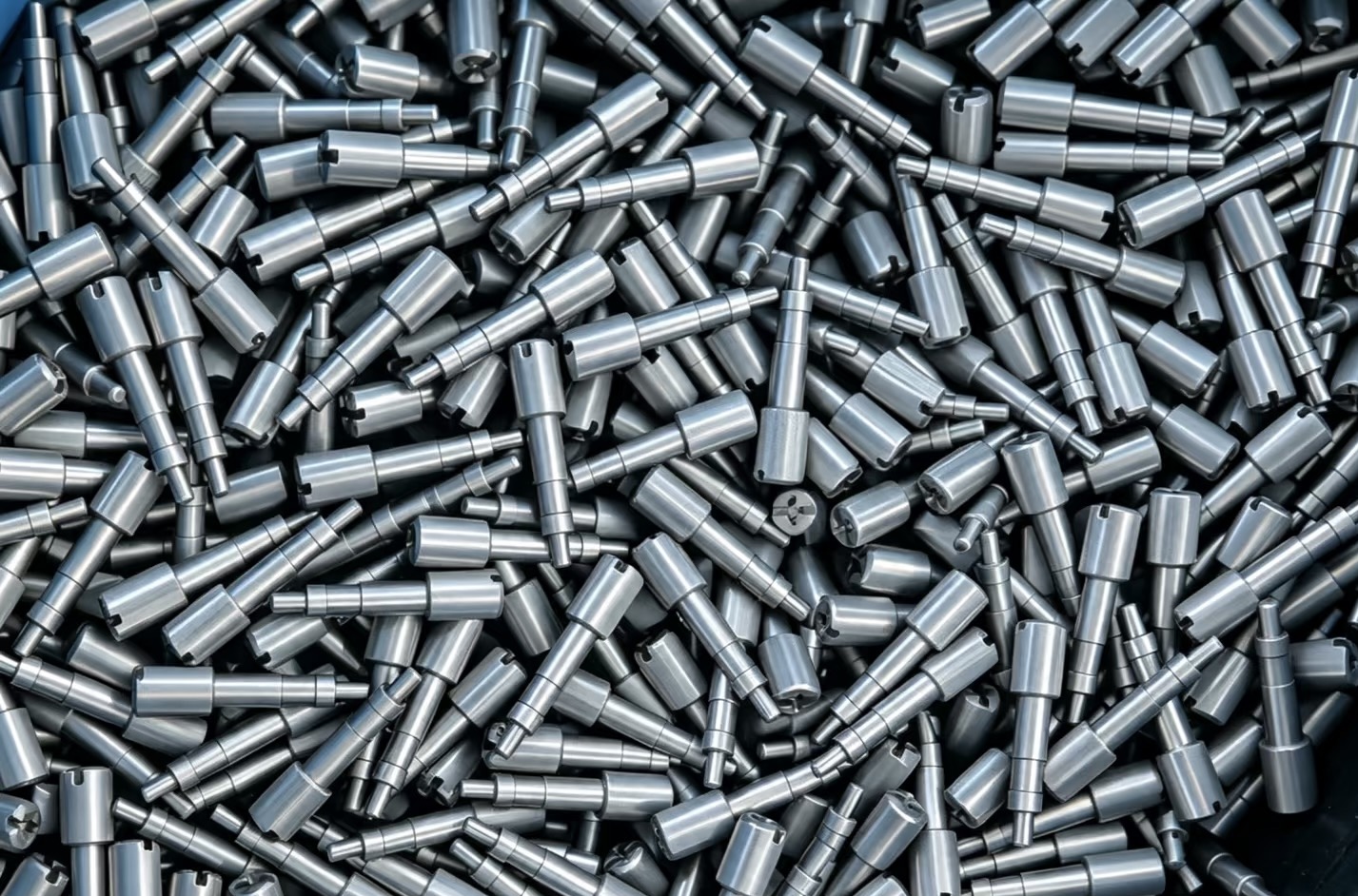
Stepped shaft forms
Define the working diameter, shoulder location and end features. The photograph demonstrates shape, not the duty or rating of a finished hinge.
For industrial access hardware OEM projects
PremFixer manufactures drawing-defined pins, shoulder parts, sleeves, spacers and threaded hardware for industrial hinge, latch and enclosure projects. Specify the retention arrangement, mating interfaces and required quantities for a clear manufacturing scope. Development samples, small batches and repeat-volume orders can be planned around the approved part requirements.
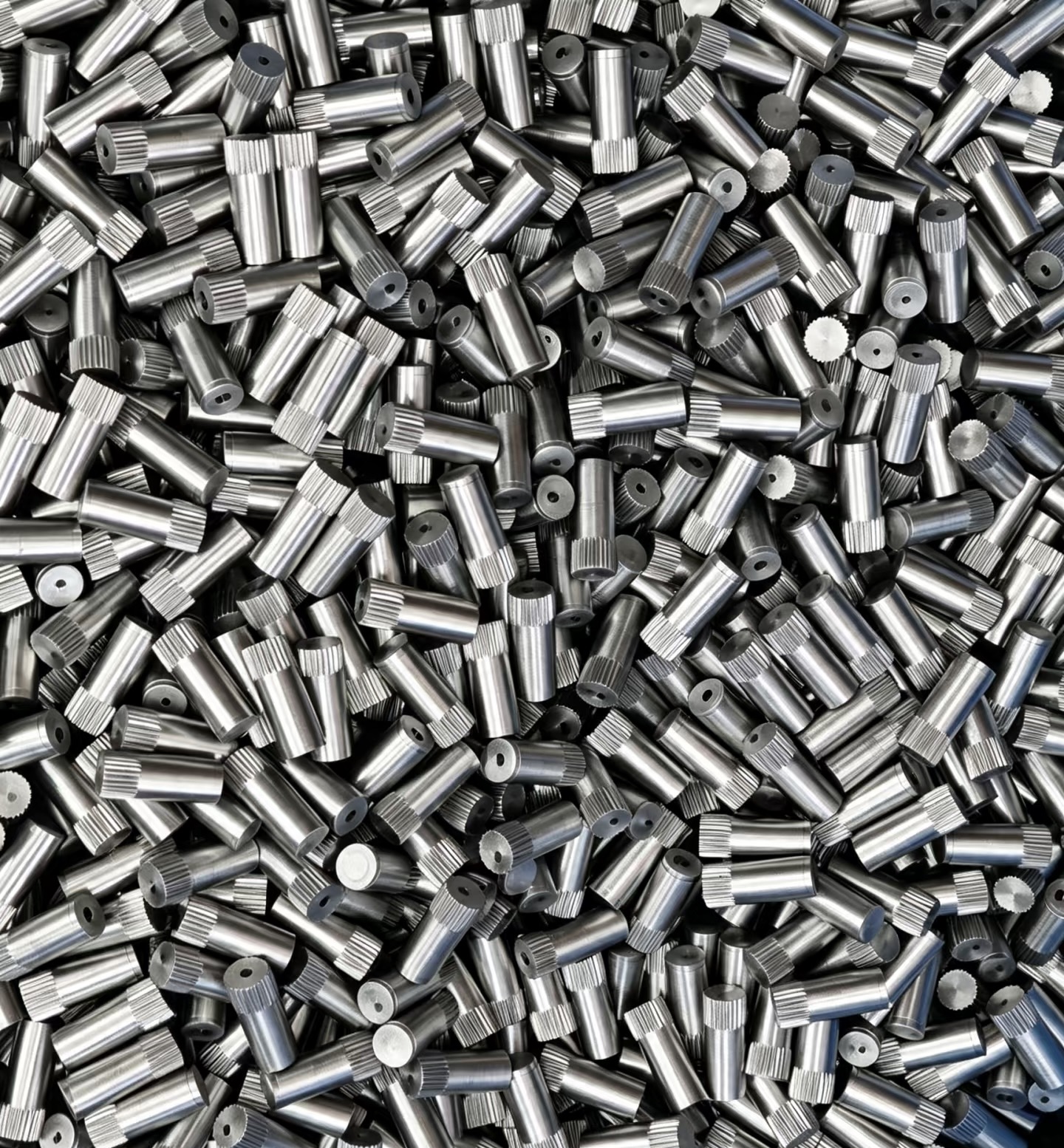
We manufacture the pin, shoulder shaft, sleeve, spacer or threaded retaining item defined by your drawing. Start with the component's job within the access assembly and make the supply boundary explicit.
Show whether a pin is secured in one component, rotates in a sleeve or is removed for service. Identify the working section, the retention feature and the route used to insert or extract it.
You can request individual part numbers or a defined pin-and-sleeve group. Springs, housings, bearings and the complete latch mechanism are included only when expressly listed and agreed.
Define the working diameter, shoulder location and end features. The photograph demonstrates shape, not the duty or rating of a finished hinge.
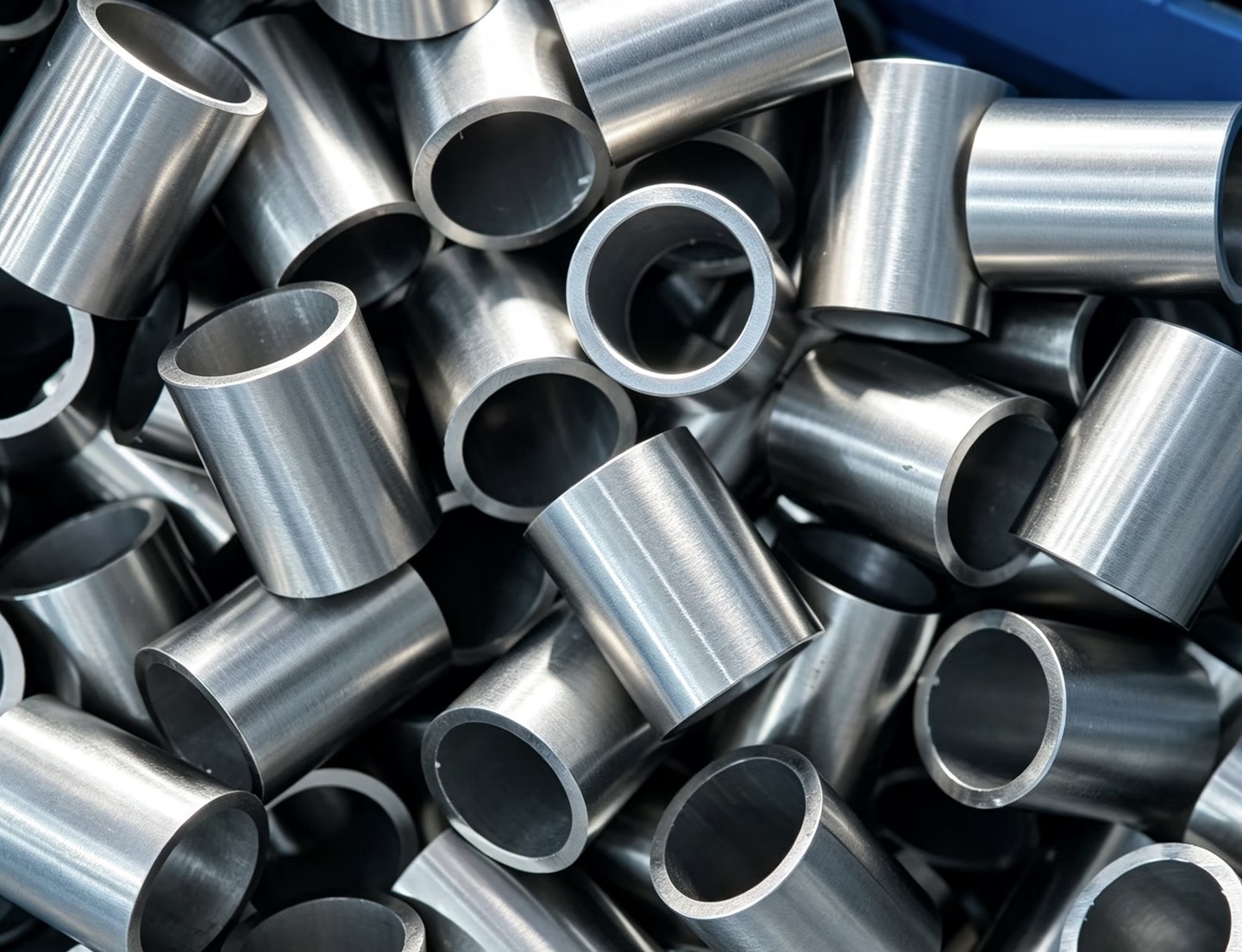
Specify the mating bore and faces that establish spacing. Identify which surfaces rotate, locate or clamp in the assembled condition.
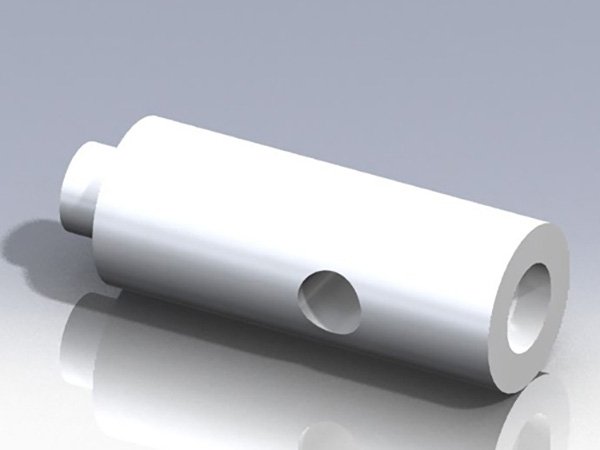
The original PS-P02 bicycle shaft rendering shows both features. Use it to discuss geometry while your approved drawing defines the new part.
Different lengths, retention details or handed assemblies need identifiable requirements. Do not add a left/right distinction if the approved BOM uses the same component on both sides.
| Assembly / variant | Pin drawing / revision | Quantity basis | Retaining item / boundary |
|---|---|---|---|
| ACCESS-A / standard length | PIN-A / Rev A | Pieces per assembly; pack count separately | Define retained-end geometry |
| ACCESS-B / alternate length | PIN-B / Rev B | Identify this variant's batch quantity | List retaining hardware if requested |
| ACCESS-C / hand as specified | Controlled drawing identifies common or different part | Use the approved BOM count | Sleeve and housing scope stated individually |
Requested labels and packing can follow the assembly or part-number structure. The quotation should distinguish the number of components from the number of complete packs.
The original PS-H03 spacer drawing illustrates distinct bore, outer diameter and axial-width dimensions. Its existing values belong to that reference; your assembly determines the spacing and contact faces to manufacture.

For steel, stainless steel, aluminum or titanium components, identify the material grade and condition along with the specified treatment. Consider which surfaces contact different metals, where motion occurs and which edges require defined finishing.
CNC turning and turn-mill machining address the ordered shoulders, bores, holes, flats and threaded details. Other routes, including cold heading and thread rolling, are considered against the geometry and quantity rather than assumed for every pin.
State the checks and records required for the supplied items. Any specified heat treatment, finishing or specialist testing is coordinated with qualified partners. The quotation identifies those responsibilities.
Complete hinge loading, cycle life, ingress protection, security and fire ratings belong to the finished mechanism's validation scope. They cannot be inferred from a metal grade, a pin photograph or the company's quality-management certificate.
Identify the pin or sleeve revision and what the samples must demonstrate: fit, installation access or an agreed assembly trial. State the required quantity.
List variants and quantities separately, with the approved material and finish. Clarify whether you need loose parts or defined hardware groups for assembly.
Agree item counts, packing and inspection documentation. The quote distinguishes preparation, component manufacture, partner operations and recurring supply costs.
Refer to the accepted drawings and plan. A changed retention detail, mating sleeve or surface condition should trigger review of the affected requirements before manufacture.
Expected repeat demand informs the discussion; it does not create a universal MOQ, fixed lead time or automatic inventory commitment.
Start with the information available and identify the item you want quoted. Useful project inputs include:
Yes. We manufacture drawing-defined pin, shaft and sleeve forms within the agreed project scope. Include the mating interfaces, retention arrangement, material and finished requirements. The order can cover separate components or a defined group; supplying these parts does not automatically mean supplying or certifying the complete hinge.
Show the intended arrangement in the assembly information and define the corresponding features on the part drawing. Relevant inputs can include the working section, grooves, bores, shoulders or threaded retention. The final geometry and functional acceptance requirements must follow the approved design rather than being inferred from a reference photograph.
Yes. Identify each variant with the correct part reference, drawing revision and quantity. Only combine references where the authorised documentation confirms they are the same part. Packing and labels can then be agreed around the customer’s assembly needs without using appearance or a common family name as the sole identification method.
Component manufacture and complete-assembly ratings are different scopes. The approved part requirements and any ordered tests define acceptance for the supplied items. A load, durability, ingress-protection, security or fire rating for the finished mechanism requires the relevant system-level evidence and must not be inferred from our material list or ISO certificate.
Yes. Specify the development quantity, the planned production requirement and what the samples need to demonstrate. We can separate sample, machining, finishing and agreed inspection requirements in the quotation. Repeat orders then identify the approved revision and any changes so the original sample does not silently authorise a modified design.