
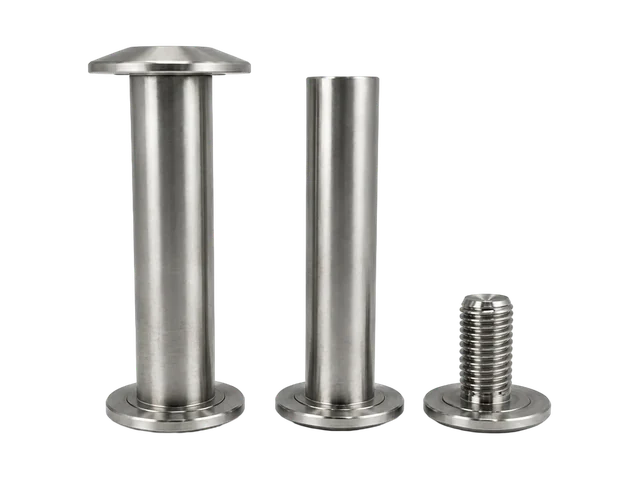
Configuration 01
Flanged Sleeves & Retaining Parts
Specify flange contact faces, sleeve length and mating threads.
Custom fastener family →Made-to-print pivot hardware
PremFixer manufactures bicycle pivot bolts and matching hardware in aluminum, stainless steel and titanium. We work to your approved drawings, from small development batches to repeat volume orders.
A preliminary drawing, sample description or BOM can start the discussion. Identify its revision or development status and the quantity you need. Approved requirements are confirmed before manufacture.
Shoulders, threads, drive features and mating components are made around your frame or linkage requirements. These existing product photos show six geometry references; your drawing defines the material, finish and fit.
Specify flange contact faces, sleeve length and mating threads.
Custom fastener family →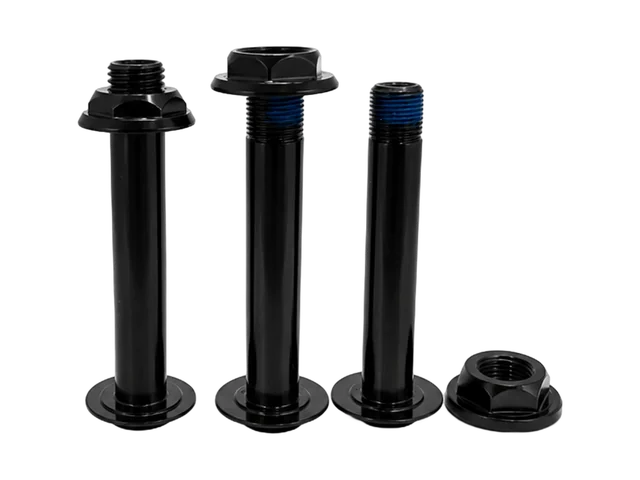
Define the axle shoulder and separate nut as individual drawing items.
Shaft and axle family →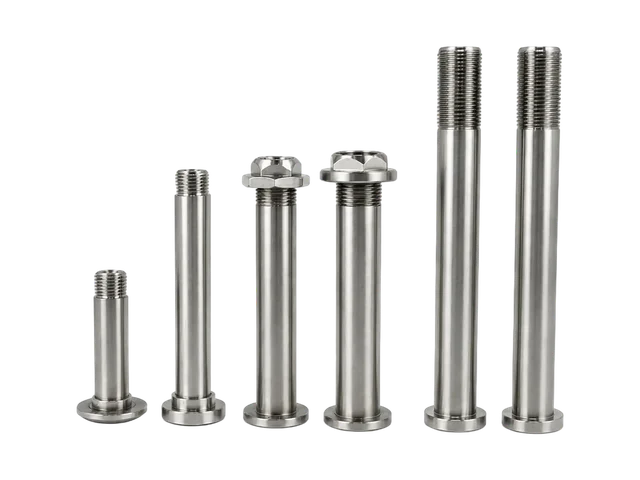
Control working length and thread position across the required sizes.
Custom fastener family →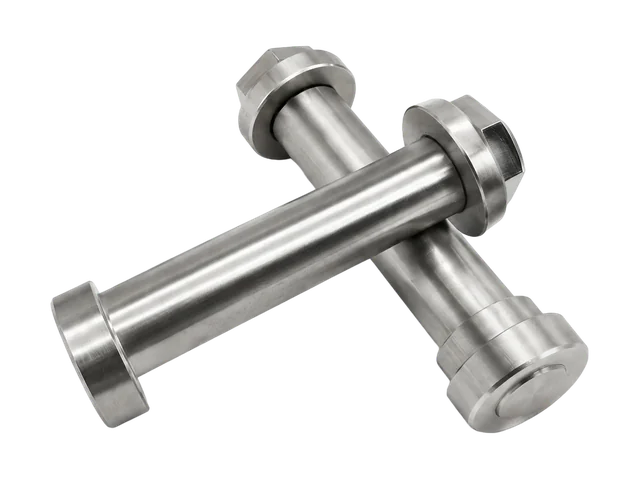
Coordinate the flange, shoulder and tool access at the drive end.
Shaft and axle family →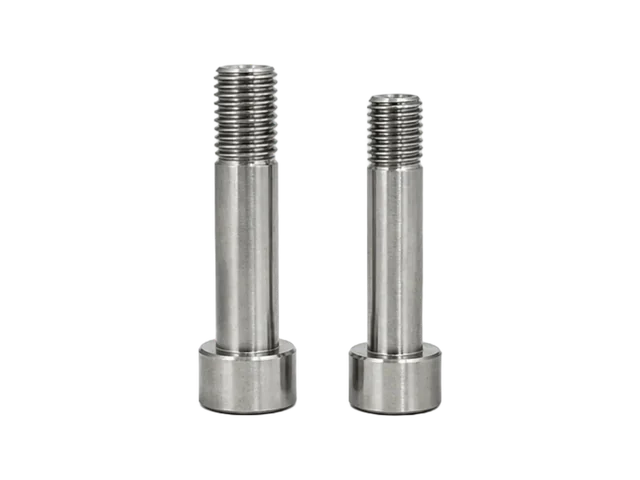
Specify each diameter, seating face and external threaded section.
Custom fastener family →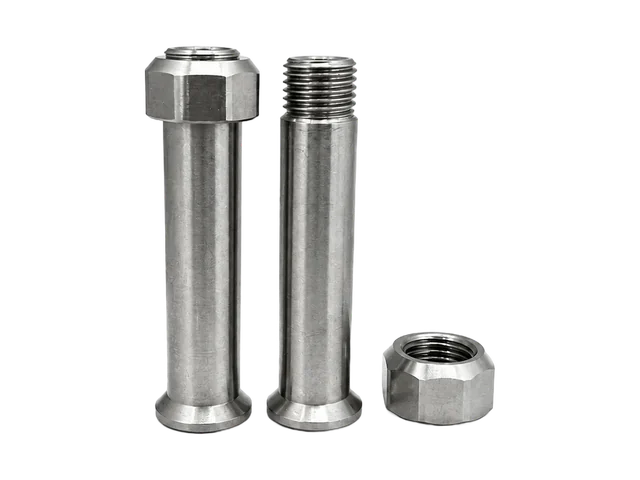
Define wrench flats, thread engagement and the matching retaining part.
Shaft and axle family →Product example: Configurations 03 and 05. The shoulder, seating face and thread start serve different assembly interfaces. Send the mating-part information so the manufacturing and inspection plan follows the intended working length.
Product example: Configurations 01 and 06. Each axle, sleeve and retaining part keeps its own drawing identity and quantity. Define shared interfaces together, with separate acceptance requirements for each supplied item.
Choose the material specified for your design. Aluminum / Stainless Steel / Titanium
We manufacture aluminum pivot bolts to the specified grade and condition. For 7075 designs, coordinate shoulder sections, thread engagement and anodizing with the finished drawing. Specify temper accurately: T6 and T651 are distinct requirements.
Identify masked surfaces and dimensions to accept after treatment. 6061 can be considered for adjacent sleeves, spacers or other approved parts; it is not a universal replacement for load-bearing pivot designs. A higher strength grade does not provide a proportional increase in stiffness.
Aluminum specification guidance →Quote aluminum pivot parts →Custom stainless steel pivot bolts can be specified in 304 or 316. State the stock condition, finished mechanical requirements, thread fit, mating material and service environment. Corrosion resistance alone does not establish the strength of a finished bolt.
The alloy designation is also distinct from an A2/A4 fastener property class. Agree the machining and finishing route, including any specified passivation, and the supplied-condition checks. Our PS-D01 catalog reference identifies 304 stainless steel; its geometry and order requirements remain separate from a new pivot design.
View the PS-D01 reference →Quote stainless pivot parts →We manufacture drawing-defined titanium pivot bolts, axles and matching hardware for OEM projects. Include the governing material standard, product form, condition and required material records with the geometry and finish. TC4 and Grade 5 terminology must be aligned with the actual order specification, rather than treated as an automatic cross-standard substitution.
Define the mating thread, contact surfaces and supplied condition. Titanium remains a project material choice; substituting it for an existing steel or aluminum part requires the design owner's approval and applicable validation.
Titanium specification guidance →Quote titanium pivot parts →
Material, finish and geometry are separate order requirements. Photo color does not identify an alloy, coating performance or thread-locking product. Discuss specified surface treatments.
Manufacturing reference: PS-P04 combines turned sections, threads and wrench flats. Define feature positions, drawing datums and tool access together. This existing geometry does not establish a material, model fit or single-setup production route.
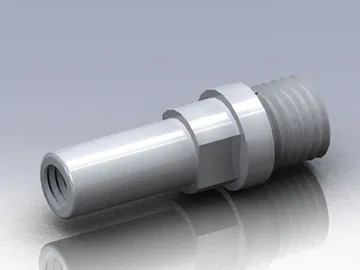
 Drawing reference · Open original drawing ↗
| Drawing feature | Manufacturing & acceptance input |
|---|---|
| Shoulder diameter & length | Mating bore, bearing or sleeve interface; relative positions. |
| Seating face & flange | Contact face, clamped thickness and drive-tool clearance. |
| Internal / external thread | Standard, pitch, tolerance class, hand and usable engagement. |
| Axial or cross holes | Depth, wall sections, orientation and machining access. |
| Flats, slots & transitions | Position, edge condition, fillets and mating-part relief. |
| Sleeves & spacers | Assembly section, contact faces and individual drawing revisions. |
| Finished surfaces | Masking, final dimensions and measurement conditions. |
Assign tolerances to functional features. Installation torque, lubrication, locking method and tightening sequence come from the approved assembly requirements.
Send the Pivot Drawing & Mating Parts →Prototype quantities, small-batch orders and repeat volume production are supported. Start with the quantity you need now and share expected later demand.
Identify the sample purpose, drawing status and critical features. Agree development parts and the checks needed for the next design decision.
Use the approved revision, actual finishing route and matching component quantities for trial assembly and supplier introduction.
Plan tooling, stock, machining controls, inspection and delivery batches around the confirmed part requirements and demand.
Retain the approved part number, revision, material and finish. Review changes and replenishment quantities against the order record.
Compare real quantities. Separate quantity per drawing, parts per set, each delivery and forecast demand. Request the price tiers relevant to your project.
Keep changes visible. Sampling does not authorise an unapproved process switch for volume production. Inspection plans follow first supply, significant changes and repeat-order needs.
CNC turning and turn-mill machining connect the drawing features to a practical production route. Material, geometry and quantity determine the operations.
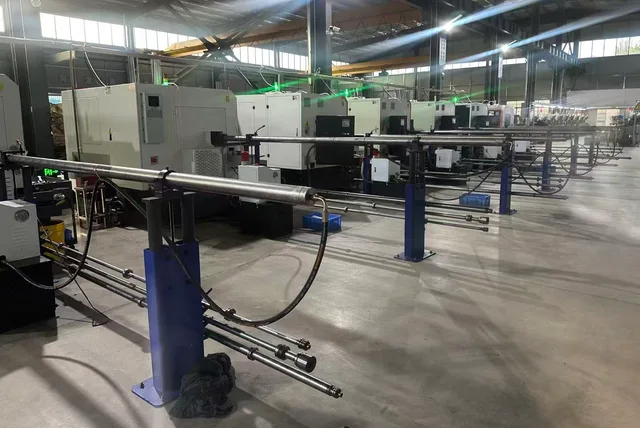
Stepped diameters, shoulders, axial bores and end faces need consistent drawing references and workholding.
Flats, slots and cross holes add position and access requirements. Turn-mill operations or supporting machining are selected for the actual part.
Specify internal and external threads separately. Cutting or rolling, deburring and surface treatment must suit the material condition and feature requirements.
Explore CNC turning & turn-mill capabilities →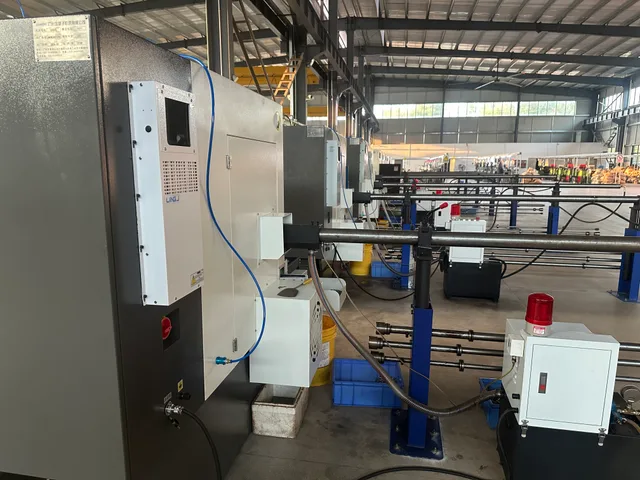
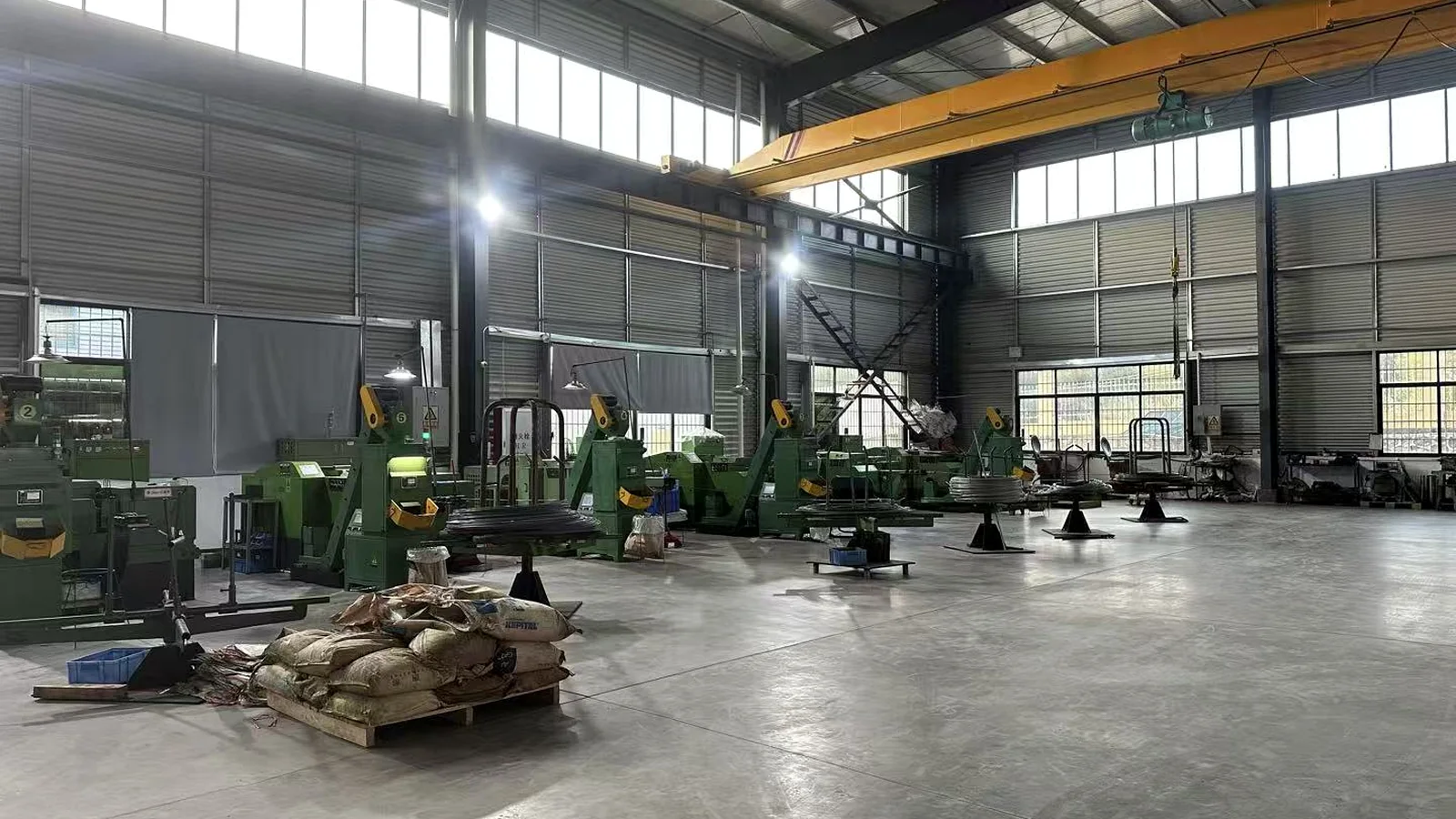
Cold heading and tooling can suit selected materials, geometries and repeat quantities. Volume alone does not make cold heading the appropriate route.
Core machining is coordinated with qualified partners for specified heat treatment, finishing or specialist testing. These partner operations are identified in the project scope.
Agree material records, shoulder and mating dimensions, thread checks, finished surfaces and batch identification. Inspection methods, sampling and additional reports follow the order requirements.
Connect each check to the drawing revision and condition after finishing. Review mating parts together without replacing their individual acceptance requirements. Packaging identifies the part and batch.
Complete joint or bicycle validation is distinct from dimensional conformity. Define the relevant responsibilities with the project team. Quality and inspection information.

Guangdong Pinshang Hardware Products Co., Ltd.
Scope: Production of hardware screws and nuts.
Quote an individual pivot bolt, matched axle and retaining parts, or a hardware set to BOM. Each item retains its material, revision and acceptance requirements, including when different approved materials are used together.
For a model-wide request, use our bicycle OEM hardware review to connect each pivot component to its drawing revision and quantity per bike. Keep bearings, seals and other mating items identified as included or reference-only in the requested supply scope.
| Part / revision | Component role | Material / condition | Qty per set | Order quantity | Supply unit |
|---|---|---|---|---|---|
| Customer ref. / approved rev. | Pivot bolt / axle | As specified | From BOM | Customer input | Piece or set |
| Customer ref. / approved rev. | Mating sleeve | As specified | From BOM | Customer input | Piece or set |
| Customer ref. / approved rev. | Retaining part / spacer | As specified | From BOM | Customer input | Piece or set |
Distinguish pieces, pairs and sets to avoid double counting. Bearings or seals shown for interface review are included only when stated in the supply scope. Packaging by part number or kit follows the order.
For model-wide procurement, see fastener system manufacturing. For frame interfaces, see full-suspension pivot systems.
Send the drawing revision, sample information or BOM, material, finish, quantity tiers and delivery target. Include mating parts and critical finished requirements where available.
The quotation identifies relevant stock, programming, setup, tooling, machining, finishing, inspection and packaging costs. Sample and production timing are set for the actual scope.
We manufacture drawing-defined shoulder bolts, pivot axles, flanged pivot components and threaded retaining parts for bicycle projects. Matching sleeves, spacers and nuts can be included where required. Existing examples help identify similar geometry, while your approved drawings define the dimensions, materials and interfaces of the parts we supply.
Our material scope includes aluminum, stainless steel and titanium. Projects can specify grades such as 7075 aluminum, 304 or 316 stainless steel, and titanium defined by the applicable TC4 or Grade 5 specification. State the material condition, finish and required records as well as the grade, so the quotation is tied to the complete order requirements.
Not automatically. A material change can require a different assessment of the part geometry, mating interfaces, finish and approved performance requirements. We can discuss manufacturing implications and alternative quotations, but the authorised design owner should approve any substitution and its required validation. A similar-looking bolt is not evidence that the materials are interchangeable.
Yes. We support development quantities, pilot builds and small-batch orders. Send the drawing or sample information and the quantity needed for the current stage. The quotation identifies the relevant preparation, tooling, machining, finishing and inspection requirements, rather than assuming that a development order must follow the same commercial structure as a repeat production batch.
Yes. Include expected production demand when requesting development parts so the manufacturing plan can consider both stages. Sampling, pilot builds and repeat production can be quoted separately. Any later change to geometry, material, finish or the agreed production route is handled through the project approval process rather than being introduced silently as quantity increases.
Order quantities are discussed for the individual part rather than applying one universal minimum to every pivot bolt. Material availability, setup, tooling and finishing batches influence the practical order arrangement. Tell us the quantity you need now and any later demand; we can then identify an appropriate sampling or production quotation for that scope.
A current dimensioned drawing is the most useful starting point. Include a 3D model where available, together with material, finish and quantity requirements. Mating-part drawings or an assembly section help explain the pivot interface. Identify the revision and any critical finished dimensions so the manufacturing and inspection discussion uses the same reference information.
Yes, a sample can start the discussion. It helps communicate geometry and assembly context, but it may not establish the original material, tolerances or performance requirements. The necessary production information should be measured, clarified and approved before manufacture is released. A worn sample also needs to be distinguished from the intended new-part dimensions.
The important features depend on the actual joint. Common inputs include shoulder diameter and length, seating faces, thread specification, usable engagement, and the relationship to sleeves or spacers. The approved drawing should identify the functional interfaces and finished requirements. We use that information to select an appropriate manufacturing and checking approach rather than assigning every feature the same tolerance.
Yes. Provide the drawings and quantities for each included component, plus the assembly relationship where available. Each part keeps its own material, revision and acceptance requirements even when quoted as a set. Identify whether quantities refer to individual pieces, matched pairs or complete kits, and distinguish supplied items from bearings or other parts shown only as references.
Specified finishing can be included in the project scope. Describe the required treatment, appearance, functional surfaces and final acceptance requirements rather than relying on a colour name alone. Threads, mating diameters and contact faces should be considered in their supplied condition. The appropriate process and any partner operations are defined with the manufacturing quotation.
The order can define the required material records, dimensional or thread inspection information, and batch identification. Any additional tests or reports are agreed for the part and supplied condition. The ISO 9001 certificate is available for supplier assessment within its stated scope; it does not replace the drawing requirements or validate the complete bicycle assembly.
Repeat orders should identify the part number and applicable drawing revision, together with the required material, finish and quantities. Changes are compared with the approved requirements, and their effect on samples, tooling or inspection is addressed through the agreed process. This avoids treating an old kit name or photograph as the complete instruction for a new production order.
The quotation depends on the material, geometry, quantity, preparation or tooling, finish, inspection scope and delivery requirements. State any quantities you would like compared, along with the sample and production timing. We can then separate relevant one-time costs and recurring part costs and provide a schedule for the actual order rather than a universal price or lead-time promise.
Share the pivot drawing or sample information, the mating interface and the quantities you want quoted. Where available, mark the shoulder and seating dimensions, thread requirements, material, finish and critical acceptance features. Identify any open design questions so the initial review can focus on the next decision.
Prototype / Small Batch / Volume Production / Repeat Order
Complete production documentation is not required for your first enquiry.