
A practical guide for engineering and purchasing
How to Request a Quote for Custom Fasteners & Turned Parts
Prepare a clear RFQ for a custom fastener, shaft, sleeve or other turned component. Start with the information you have, then identify the drawing revision, material, quantities and finished requirements needed for a manufacturing quotation. This guide separates enquiry inputs from the requirements that must be agreed before production release.
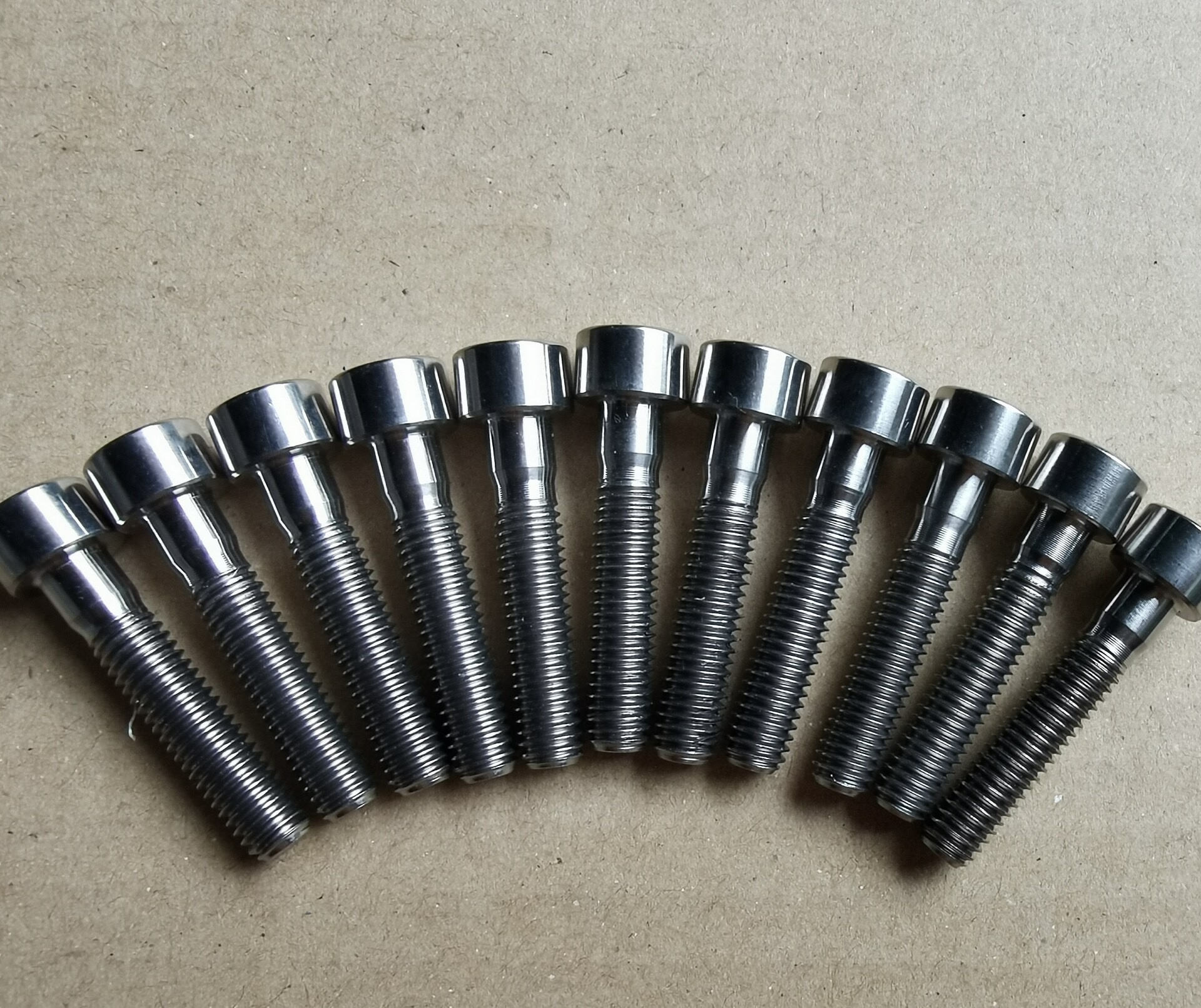
Start with a drawing, a sample or a BOM
You do not need a complete supplier-assessment package to make first contact. Send your contact details, the component or project you need help with and the information you are authorised to share.
A drawing
Identify whether it is preliminary or approved. Include the current revision and the features that matter to the assembly. Flag missing specifications so they can be discussed.
A sample or photo
Use it to explain shape and interfaces. A sample may be worn or incomplete; its appearance cannot establish material condition, tolerances or the intended performance.
A multi-item BOM
Give each requested item a reference, revision and quantity. Mark purchased or reference-only items so the surrounding assembly does not become an unintended supply commitment.
The information behind a comparable quote
Use this checklist to organise the details you have. The final manufacturing quotation and release need an agreed definition; incomplete information can still support an initial conversation.
| Group | Include when available | Why it matters |
|---|---|---|
| Part identity | Project or internal reference; part number; revision; source files | Connect the quotation to the correct controlled requirement |
| Material and condition | Grade; material state; finish; supplied condition | Distinguish raw-material choice from finished-part requirements |
| Quantities | Samples; first batch; later demand; quote unit | Compare the same scope and avoid counting pieces as kits |
| Acceptance | Critical features; finished inspection; reports; sample purpose | Include the checks and documents you need in the scope |
| Supply and delivery | Manufactured or sourced items; packing; requested timing; ship-to country | Identify what is delivered and how it is priced and packed |
A distributor can use an internal project code without naming the end customer in the first enquiry. Share only information you have permission to provide, then agree any confidentiality and communication requirements through the project contact.
Do the drawing, CAD and BOM agree?
Check document identity before comparing prices. A newer file date does not establish an approved revision, and neither a 2D drawing nor a 3D model automatically takes priority in every project.
Illustrative revision conflict
- 2D drawing
- VIRTUAL-SHAFT-A / Rev B
- 3D model
- VIRTUAL-SHAFT-A / Rev A
- BOM
- Calls for Rev B; retention feature differs
Resolve before release: identify the difference, obtain the authorised requirement and confirm the controlling file or documented clarification. Do not silently select one version.
The original PS-P04 drawing alongside this example is an existing reference only. It shows how thread and shoulder callouts carry requirements that a general product photograph cannot replace.

Count pieces, pairs and kits explicitly
A unit price is only comparable when the unit contains the same items. If a pack contains a shaft, sleeve and two spacers, record the component counts and the number of packs separately.
| Item | Pieces per defined kit | For 10 example kits | Quotation instruction |
|---|---|---|---|
| Shaft | 1 | 10 pieces | One controlled drawing |
| Sleeve | 1 | 10 pieces | Separate item and revision |
| Spacer | 2 | 20 pieces | Count both spacers per kit |
| Defined kit | 4 pieces in total | 10 kits / 40 component pieces | Do not add kit and component counts together |
List sample quantities, quantities per batch and expected annual demand separately. Forecast demand helps discuss the route and commercial terms; it is not an order, reserved capacity or a stockholding arrangement.
Specify the part in its supplied condition
Geometry and material
Include material grade and condition, internal and external threads, handedness, usable engagement and any dimensional or geometric requirements. Indicate the datums and contact faces that control assembly.
Where treatment changes a fit, identify the requirements to inspect after treatment. Do not rely on a universal torque or tolerance copied from an unrelated component.
Inspection and documents
State what the samples are intended to demonstrate and which records are needed. Material documents, dimensional reports, special tests and packing records should have an agreed scope and cost.
A raw-material property is not a test result for a finished part. Product and complete-assembly performance need the relevant requirements and validation evidence.
Make the supply boundary visible in the BOM
Manufactured items
The drawing-defined components included in PremFixer's accepted manufacturing scope.
Sourced items
Purchased components or partner operations included only when specifically agreed in the quotation.
Customer-supplied items
Items supplied by your organisation under an agreed receiving and responsibility arrangement.
Reference only
Bearings, seals, brackets or assemblies shown to explain fit but excluded from the supply request.
For work on customer-supplied material, describe the incoming condition and requested operation. Acceptance of blanks or a process-only task requires a specific agreement; a component drawing alone does not establish that arrangement.
From initial review to approved repeat production
- Enquiry
- Clarify requirements
- Quotation
- Samples and review
- Approved production
- Repeat orders
For development quantities, identify the drawing status, sample purpose and quantity. Preparation, programming or tooling can be separated from the sample cost. For a pilot or small batch, confirm the applicable revision, treatment and the parts needed for trial assembly.
For production batches, list quantities by item together with inspection, packing and delivery requirements. For repeat orders, reference the approved plan and identify changes to geometry, material, finish or acceptance. An unchanged reorder need not repeat every introduction step, but a previous sample cannot authorise a different part. A preliminary estimate and a quotation for approved manufacture should remain clearly distinguished.
Copy a practical RFQ email
Replace the bracketed fields with your information. Delete fields you cannot answer yet or mark them for discussion. This template is editable and contains no customer data.
Ready to discuss your component?
Use our existing enquiry form to share a project description and contact details. Drawings and further requirements can be added when available; the first enquiry does not require every checklist field.
Start a Drawing-Based RFQRFQ questions, answered
Can I ask for a quotation before all drawings are final?
Yes. Identify the documents as preliminary and send the information currently available. This can support an initial discussion and reveal missing inputs. Any estimate based on incomplete requirements must be distinguished from a quotation for approved manufacture, and the required specifications must be agreed before production is released.
What should I do when the drawing and 3D model disagree?
Flag the discrepancy and identify the applicable revisions. Do not assume that the newest file date or a particular format automatically decides the correct requirement. The authorised parties should confirm the controlling geometry and update or clarify the package before it is used for a final quotation or production release.
Should annual demand and first-order quantity be listed separately?
Yes. List development quantities, the first batch and expected later demand separately, and identify any quantities you want compared in the quotation. Forecast demand can support process and commercial planning, but it is not the same as a confirmed order, reserved capacity or an agreed inventory arrangement.
Does every part shown in an assembly drawing need to be quoted?
No. Mark which items you want manufactured or sourced, which will be supplied by you or another partner, and which are shown only to explain fit. For a multi-part request, give each quoted item its own identity and quantity so assembly context does not silently expand the supply scope.
Does a sample replace the need for a specification?
A sample is useful for discussing form and interfaces, but it may not establish material condition, tolerances, wear allowances or intended performance. Any measurement or drawing work should be included in the agreed scope. Manufacture proceeds to the clarified and approved requirements, not to unverified assumptions made from the sample alone.