
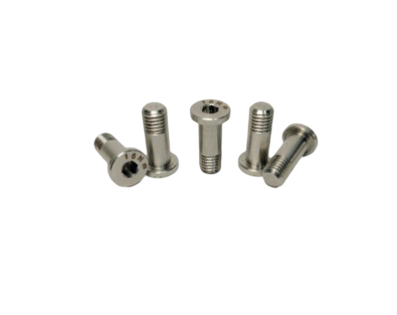
PS-D01
Countersunk linkage pivot
Head seating and shoulder geometry for a drawing-defined linkage joint.
View productReview pivot interfaces, bearing stacks and frame attachments from your drawings, assembly model or BOM.
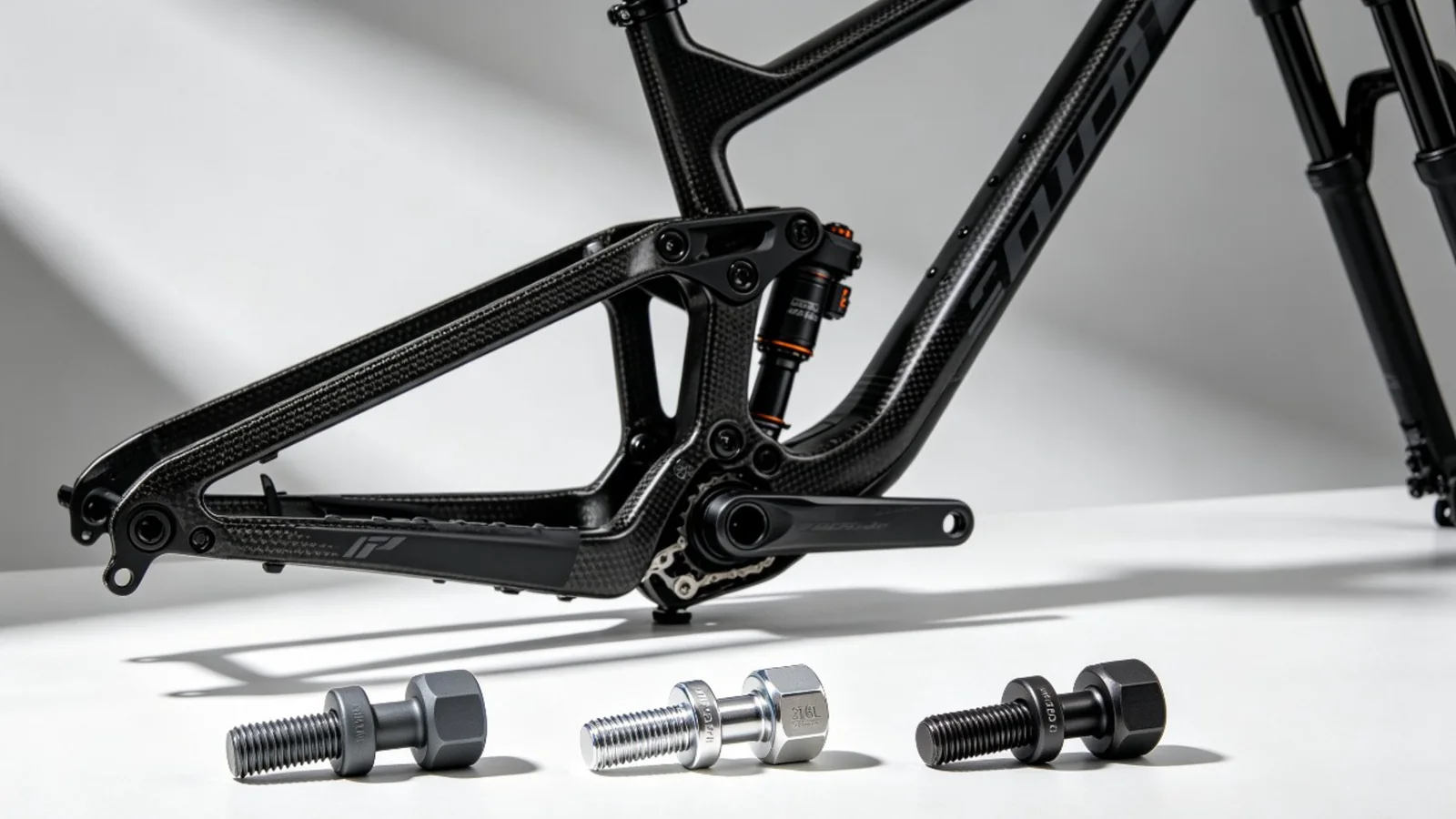
Compare pivot head styles, bearing interfaces and related frame attachments. The combination follows your frame drawing and BOM.
Head seating and shoulder geometry for a drawing-defined linkage joint.
View product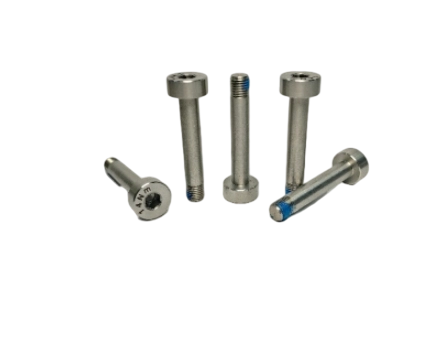
Drive access, thread engagement and the pivot stack reviewed together.
View product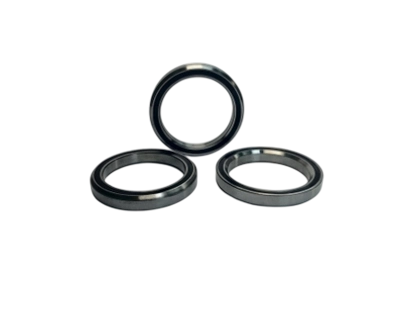
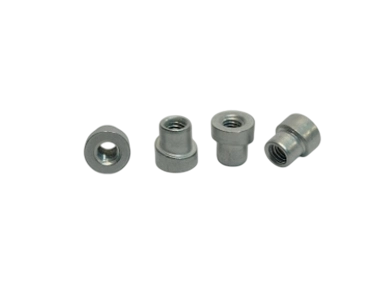
Threaded frame attachment geometry to compare with your drawing.
View product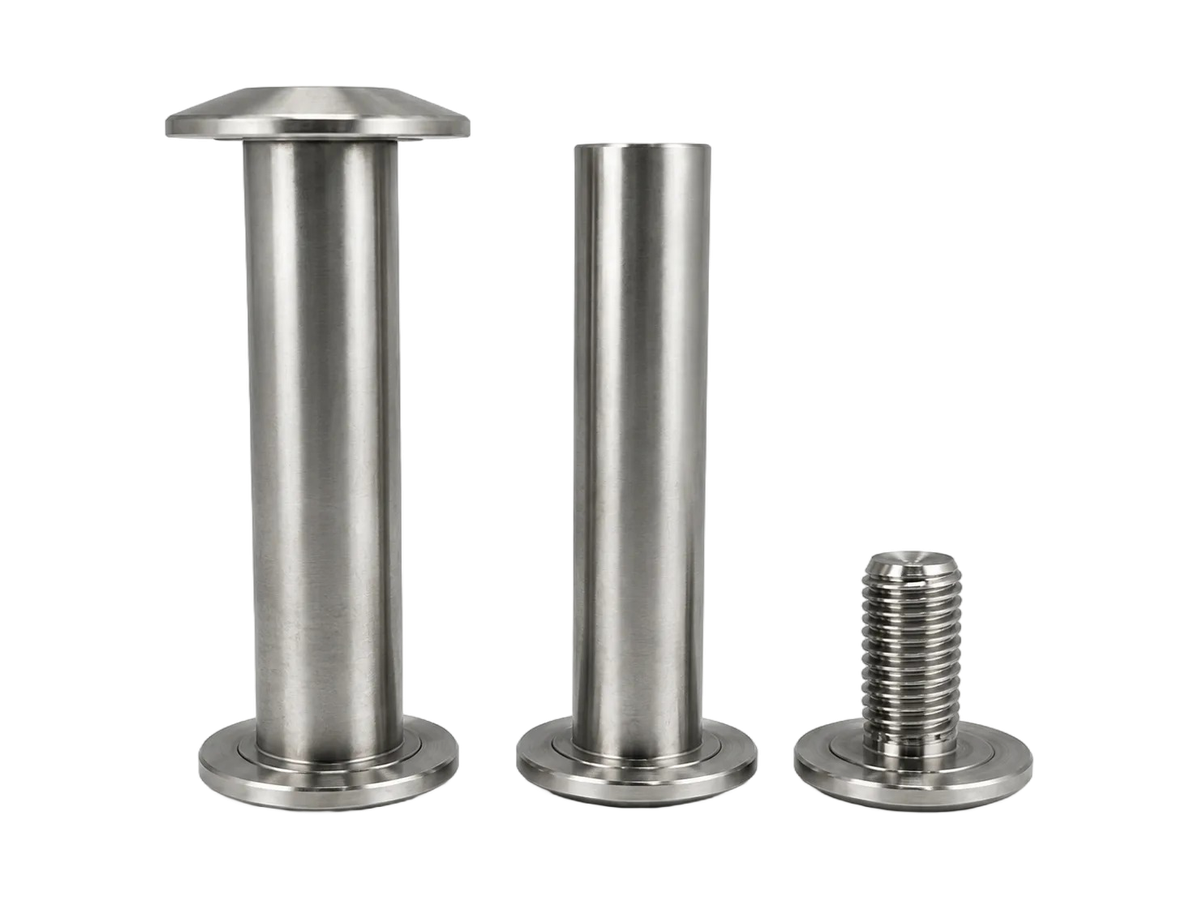
Representative flanged pivot sleeve configuration. Joint dimensions and part combinations follow the project drawing.
Start with the relationship between the frame, linkage, bearing, spacer and fastener. Resolve each interface before finalizing the part drawing.
Identify seating faces, joint widths and the relationship between bearings, sleeves and spacers.
Define the working shoulder, thread engagement and how the fastener locates in the assembly.
Review the specified retention method, installation direction and available drive clearance.
Mark critical dimensions, reference datums and the acceptance points required for the order.
Start with the available drawing and quantity. Add the material, assembly and inspection details as they are defined.
Review material optionsUse the drawing to identify material grade, condition, finish and the surfaces that matter to the bearing or spacer fit. Include coating allowances where applicable.
Share the approved assembly method, lubrication or locking condition and tightening criteria for the actual joint. MTB or eMTB designation alone does not determine a universal torque value.
Identify which dimensions and records are required for prototype review or production acceptance. Discuss testing, packaging and traceability requirements within the quotation scope.
Send a drawing, sample reference or BOM with the quantity and application. Open details can be discussed during the project review.
2D drawing, STEP file, BOM, or physical sample information.
Prototype, first production order or repeat requirement.
Share the interface, material or assembly questions you already know.