
Choose an EN 10204 document type for the order's actual evidence need, not as a ranking of metal quality. Type 2.2 reports non-specific inspection results; 3.1 uses specific inspection and manufacturer validation independent of the manufacturing department, not automatically an outside issuer. Type 3.2 adds the specified purchaser-side or officially appointed validation role. For custom pivot hardware, also identify the represented product and required results before purchase. A requested type does not automatically include every test, approve the machined interface or guarantee availability after delivery. PremFixer must confirm the actual document arrangement rather than promise one default package for every material order.
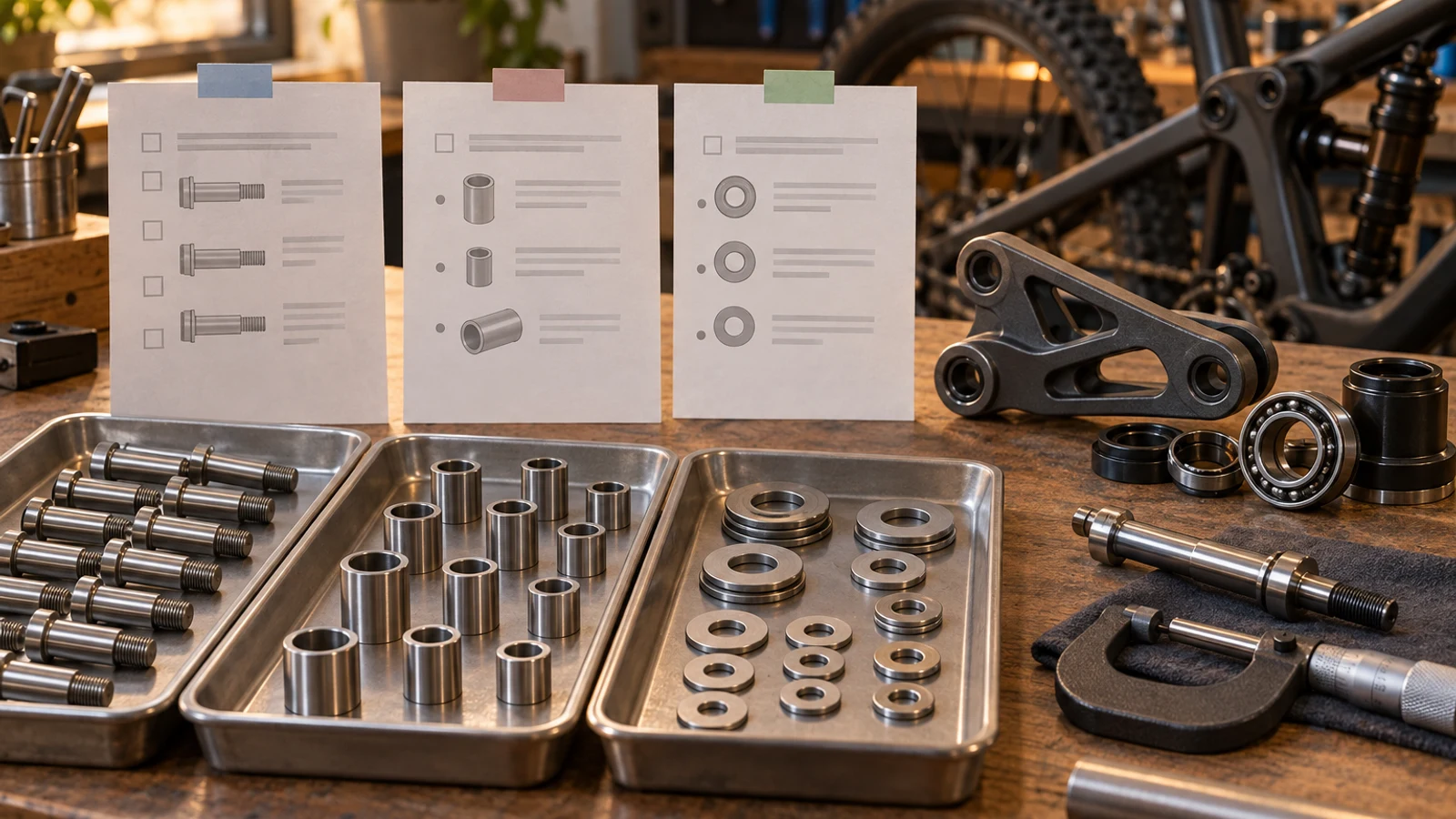
Hero: concept illustration of example hardware and its application. It is not a factory photograph, tested component or approved production geometry.
Compare inspection basis and validation roles
SSAB's inspection-document explanation distinguishes 2.2 non-specific inspection from the specific inspection supporting 3.1 and 3.2. Its explanation also separates a 2.1 declaration without test results from 2.2; calling 2.2 'only a statement' loses that distinction.
For 3.1, the manufacturer authorizes the inspection representative independently of its production department. For 3.2, SSAB's document guidance identifies manufacturer validation together with the purchaser's authorized representative or an inspector appointed under official regulations.
These are document-category distinctions. SSAB's own delivery arrangements are not PremFixer defaults or proof that a particular stock supplier can provide the requested type. Confirm the actual represented goods and agreed arrangement.
Choose the represented product before the document title
Is the requested evidence for stainless bar, titanium stock or a finished fastener requirement? State the actual subject. A bar-material document and a finished-component report can be appropriate in the same order without representing the same product or inspection task.
The material-document interpretation guide addresses reading supplied evidence. This article addresses the earlier choice: which document and validation arrangement must the quotation include?
Use the applicable product requirement to name the required results and condition. Do not assume the document type creates a universal chemistry, mechanical-property, surface or fatigue test package. Request any additional evidence explicitly, with its subject and purpose.
| Requested type or field | Key distinction | Misinterpretation risk | Useful purchase question |
|---|---|---|---|
| Type 2.2 | Non-specific inspection results | Called a declaration with no results | Does its basis satisfy the order? |
| Type 3.1 | Specific inspection; independent manufacturer role | Called automatically external certification | Which authorized role validates it? |
| Type 3.2 | Specific inspection plus specified additional role | Called a universal quality upgrade | Who participates under the agreed arrangement? |
| Represented product | Actual material or component subject | Stock evidence called complete bolt approval | Which goods and requirements are covered? |
| Required results | Applicable product and order requirements | Type number assumed to include every test | Which results must be provided? |
| Late change | Evidence and participation actually available | Attachment relabeled without its basis | Is the new deliverable achievable? |
Explain why a particular type is required
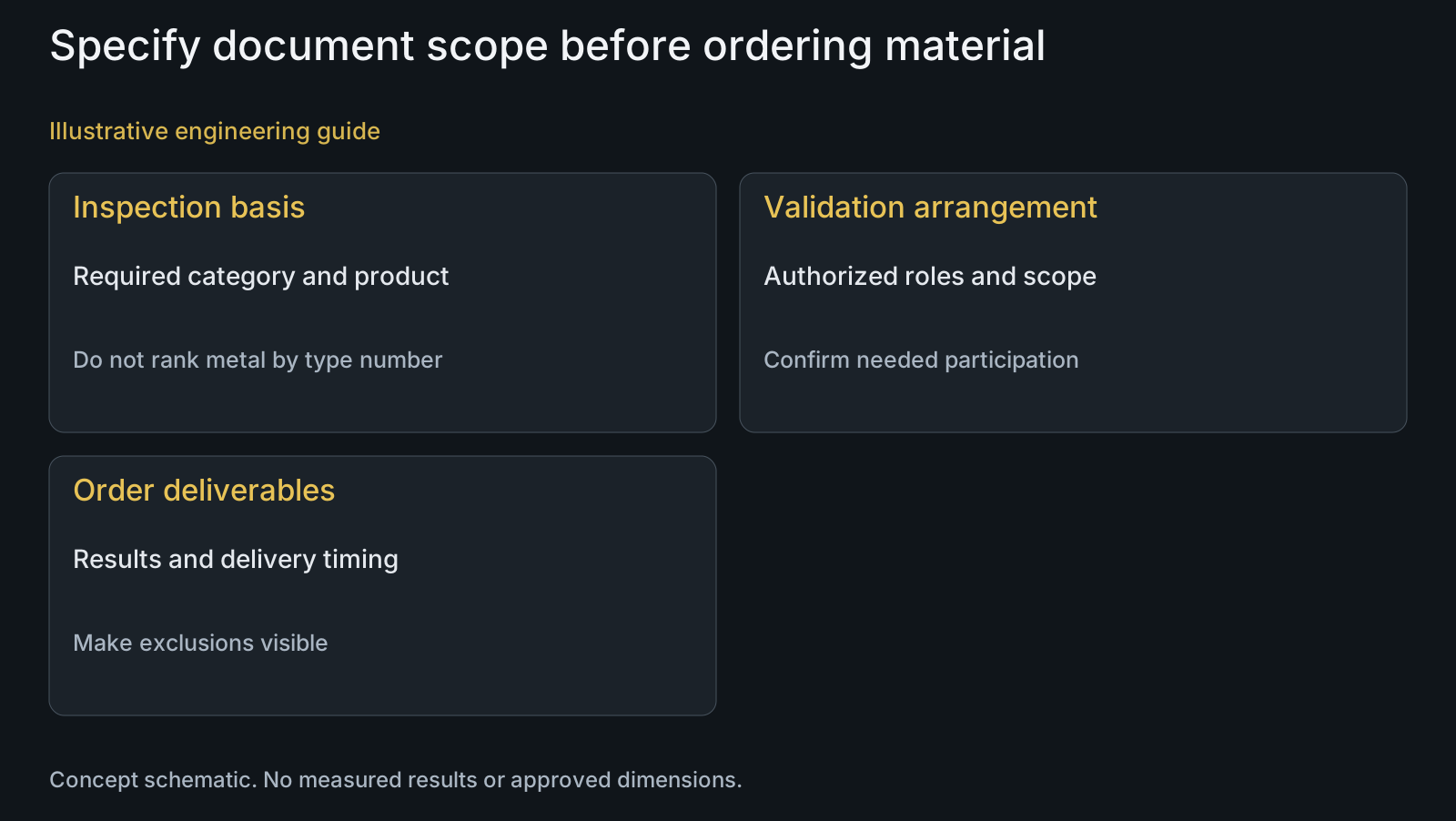
A buyer may need a specific inspection basis, a designated validation arrangement or a customer-mandated document. Name that reason in the quality request. It allows the supplier to assess the requirement instead of interpreting 'best certificate' as an undefined commercial preference.
If the contract requires a particular type, a different available type cannot silently replace it. Conversely, do not impose 3.2 on every pivot order simply because the number is higher. Match the actual evidence purpose and any applicable obligation.
Keep finished drawing acceptance visible alongside the selected material document. The finished-property guide explains why a material record cannot independently answer every manufactured-component question.
Plan a required validation arrangement before procurement
If the requested document needs a designated purchaser-side or other specified validation role, identify the party and required involvement before ordering. Confirm who will provide the necessary evidence and which activities and goods the arrangement covers.
Ask the supplier to state feasibility, exclusions and timing in the quotation. A document delivered at shipment and an arrangement requiring an earlier opportunity to review evidence are different planning subjects. No universal witness procedure or lead time is prescribed here.
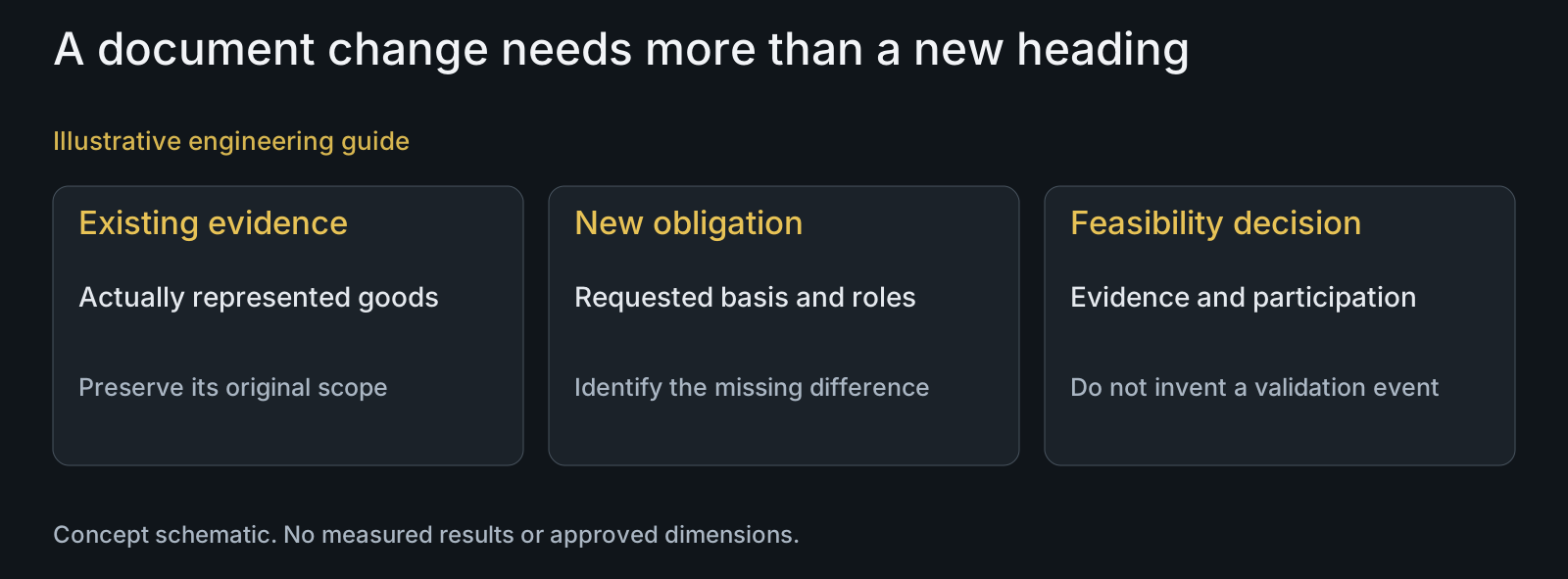
A late request cannot be satisfied by editing a PDF heading or treating an unrelated signature as the missing validation. Review what evidence and authorized participation actually exist before deciding whether the requested deliverable remains achievable.
Compare document obligations across quotations
Put represented product, document type, required results, validation arrangement and delivery timing beside each offer. A unit price without those obligations may cover a different supply scope from the requested order.
Ask which document is available for the allocated material and which additional requirements remain open. The stainless allocation guide addresses later bar-to-piece linkage; do not duplicate that task by assuming a document title establishes the entire allocation chain.
Use materials and manufacturing to discuss the intended supply, then keep the confirmed deliverables in the order. No universal certificate entitlement, fee or automatic third-party arrangement is claimed for PremFixer.
Review a late request for a different document type
Illustrative engineering example: assume an OEM order was quoted with one material-document arrangement and a different type is requested after the stock was procured. The new request involves a validation role not identified in the original quote. No actual certificate, supplier, heat number or customer event is assumed.
The reviewer asks what specific evidence and authorized participation are available. The appropriate response is a feasibility and scope review, not to rename the existing attachment. If the new obligation cannot be demonstrated, keep that gap visible and obtain the customer's actual disposition.
For future orders, resolve the type and arrangement before purchase. Send the drawing and BOM RFQ package with the represented product and document purpose so a material quote does not conceal an unplanned validation requirement.
Questions buyers need to confirm
Is 2.2 only a declaration without test results?
No. It reports non-specific inspection results. Identify the actual order requirement rather than confuse it with the separate declaration category or treat it as a metal-grade ranking.
Is 3.1 automatically an outside inspector's certificate?
No. Its validation role is the manufacturer's authorized representative independent of production. Check the actual role instead of assume the document establishes external certification.
What additional arrangement matters for 3.2?
Identify the specified purchaser-side or officially appointed validation role alongside the manufacturer role. Confirm the actual involvement and evidence needed before purchase; an extra signature is not automatically that arrangement.
Should every bicycle pivot order require 3.2?
No universal recommendation is made. Select the type that meets the actual evidence need and any applicable obligation, and confirm feasibility for the represented product.
Can I request a different type after delivery?
Ask what evidence and authorized participation actually exist. A late change needs a feasibility review; relabeling a prior document cannot establish a missing inspection or validation basis.
Does specifying 3.1 include every chemistry and finished-part test?
Do not assume that. Name required results under the relevant product and order requirements, and define finished geometry or other assessment separately. Confirm the actual quotation scope.
Technical references and scope
SSAB inspection-document explanation, offshore/marine brochure. Manufacturer explanation of EN 10204 document basis and roles; historical brochure used only for categories, not its old company certifications or current service policies.
SSAB Armox document guidance 2024. Manufacturer description of 3.1 and 3.2 validation roles, not PremFixer or a specified stock-supplier entitlement.
Explore related component, material and sourcing decisions in the customer decision knowledge center. For a drawing review, use the Drawing/BOM RFQ path.
Choose the document arrangement before the stock order
Send the drawing, STEP or sample reference and BOM with represented product, material requirement, requested document type, results and validation roles. State when evidence is needed so PremFixer can discuss availability and scope before the purchase basis is fixed.
Discuss the drawing and BOM